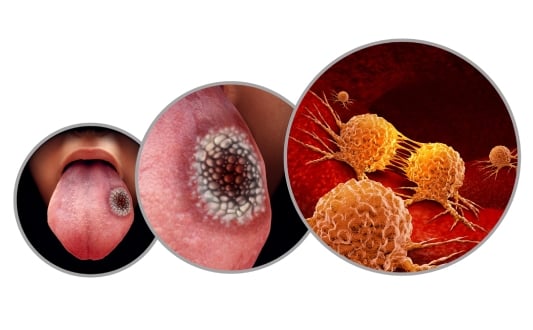


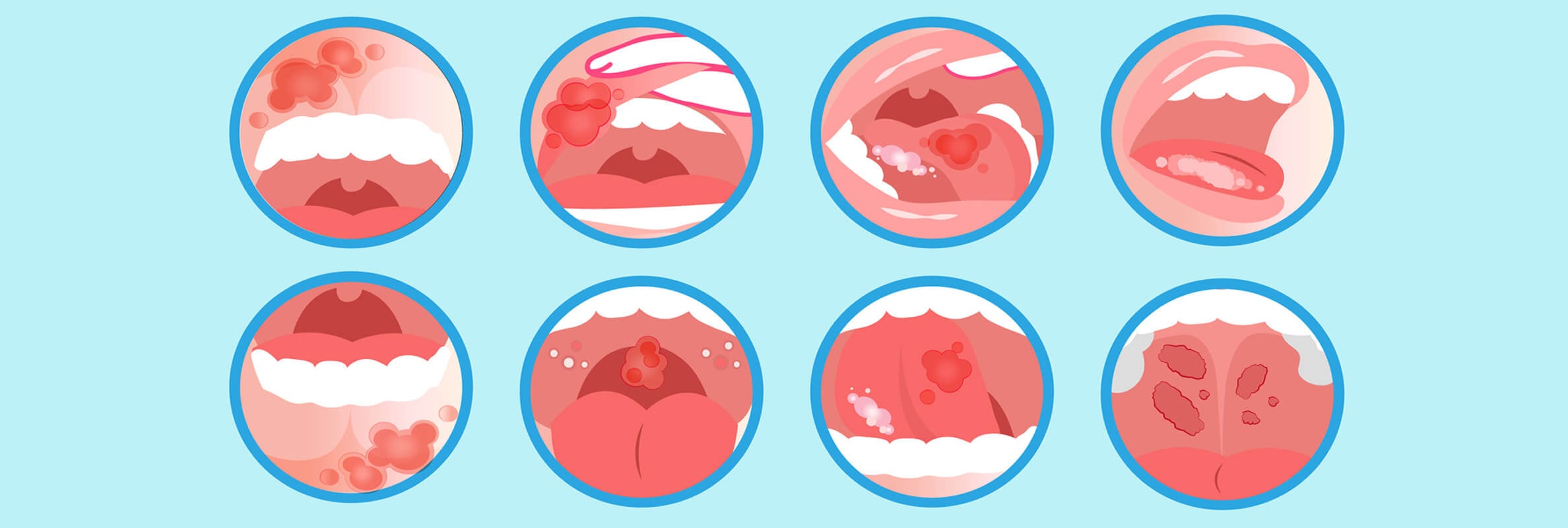


Mouth cancer (oral cancer) is a term that describes malignant tumours that grow inside your mouth. Oral cancer symptoms can look like a simple, painless, benign red or white patches (leukoplakia or erythroplakia), sores or small ulcers on your lips, buccal mucosa, gums or tongue, but they are persistent and can progress into pain, numbness, difficulty chewing or swallowing (dysphagia). When advancing cancer cells spread to regional lymph nodes, leading to swelling or lumps in the neck.
It develops from the inner lining of the oral cavity, called squamous cells, and is therefore described as an oral cavity squamous cell carcinoma (OSCC). It includes tumors of the lips, tongue, gums, floor of the mouth, hard palate, buccal mucosa, and minor salivary glands.
The risk of getting mouth cancer is higher in white individuals compared to the black population. Approximately 1 in 59 men and 1 in 139 women have a lifetime risk of developing oral tumor, with an estimated of about 12,770 deaths from it in 2025 [1].
Since the 2000s, the cancer of the mouth rates have increased by approximately 1% per year. This growth is linked to one of the main risk factors−Human papillomavirus, particularly HPV type 16. HPV-associated oral cancers are primarily passed through oral–genital contact and are increasingly diagnosed in younger populations who may not have traditional risk factors such as smokeless tobacco products, hookah, alcohol use, or family history.
Oral cancer survival rates vary by stage, as a visual form of lesions early detection is a key to a positive long-term prognosis. When detected during the early-stage, the oral cancer 5-year survival rate is more than 85% [2]. However, only 35% will survive their diagnosis for 5 years after a stage 4 oral cavity cancer diagnosis.
Mouth cancer represents a significant global health concern due to its impact on morbidity, mortality, and quality of life. Because many early symptoms are nonspecific, adequate evaluation of any persistent oral abnormality is key for early diagnosis and improved treatment outcomes. With new emerging oral cancer treatment options, it’s become easier for people, even with advanced stages manage their symptoms and have happy years with their family.
Oral cancer stages
Oral cancer (OC) is staged using the TNM classification, which depends on tumor size (T), lymph node involvement (N), and metastasis (M). The stages are [3]:
Stage 0. During this stage, there are abnormal cells on the surface layer of the oral mucosa, and it is called carcinoma in situ. During this stage, treatment is highly effective, and a complete cure is almost always achieved.
Stage 1. This stage is characterized by the presence of a tumor no more than 2 cm. It is early-stage oral cancer, and treatment outcomes are generally very favorable, with high survival rates.
Stage 2. At this stage, the tumor is larger than 2 cm but not more than 4 cm, and without lymph node involvement or metastasis. It is more complex to treat, but it is still localized.
Stage 3. This stage includes tumors larger than 4 cm or tumors that have spread to a single nearby lymph node on the same side of the neck. Treatment often involves a combination of surgery and adjuvant therapy.
Stage 4. This is an advanced stage when the tumor spreads to the lymph nodes and other organs. It is also characterized by deep local growth into surrounding tissues and organs. This stage requires advanced and aggressive treatment to take control of your disease and maintain a high quality of life.
Diagnosis and Tests for Oral Cancer
Standard diagnostic tests for mouth cancer include [4]:
- Clinical exam. Often, oral cancer is suspected during visual examination of the mouth performed by a dentist, family doctor, or other medical specialist.
- Biopsy. It is a gold standard for diagnosing squamous cell carcinoma. During a biopsy, a small piece of tissue is taken for pathological evaluation. It can be taken from a tumour itself or from a regional lymph node to identify the tumor type and grade.
- Endoscopic examination. These procedures are used to visualize the tumour in the larynx (laryngoscopy) or pharynx (pharyngoscopy) and to examine the tumor spread to surrounding organs and tissues.
- Computed tomography (CT scan). With the help of X-rays, doctors get images of the tumour and scan for possible spread to other organs, like the lungs.
- Positron emission tomography (PET scan). It uses a radioactive contrast that accumulates in the cells with high metabolism, with further imaging in the PET scanner. It can show the spread of the malignancy and assess whether the treatment is working.
- HPV infection testing. This test is performed during a biopsy on the oral cancer tumor tissue sample. The results can define prognosis and may play a role in treatment planning.
Standard treatment methods for oral cancer
Standard treatment protocols for mouth cancer include [5]:
- Radiotherapy. It is commonly used as a primary option for patients with mouth cancer treatment without surgery, as well as to deal with malignant cells after chemotherapy or surgery. It often led to developing side effects like mucositis, dry mouth, taste changes, and increased risk of dental complications.
- Chemotherapy. In the case of oral cancer, it is usually combined with radiation. It has an impact on the whole organism, including metastasis, not only the main tumour, but also has severe side effects on the whole body, like general weakness, vomiting, low blood count, and many more.
- Surgery. It is one of the essential steps for curing oral cancer in the mouth. Surgical procedures aim to remove the tumor while preserving speech, swallowing, and appearance, but it is not always possible; that’s why this requires complex evaluation and high surgical skills.
Innovative treatment methods for oral cancer
Dendritic cell therapy
Dendritic cell (DC) vaccines became a new immunotherapy and a new hope for patients with oral carcinoma. Dendritic cells are a special immune cell that can recognise tumor markers like oral cavity squamous cell carcinoma and teach T-cells how to start the antitumor response pathway [6]. This allows your immune system to better identify malignancy and initiate a quick response to eradicate it. This groundbreaking discovery was awarded the Nobel Prize in Physiology or Medicine in 2011, showing the key role of dendritic cells in initiating and regulating immune responses [7].
The process of getting vaccinated with dendritic cells is easy and starts with collecting blood from the patient. Then, in the laboratory, these cells are getting "educated" with the patient’s own tumor cells. After that, the vaccine is injected back into the patient’s body, and T-cells start actively recognizing malignant cells.
This process allows a patient to get state-of-the-art treatment with limited side effects and a highly personalized response. This type of immunotherapy for oral cancer is a significant breakthrough from standard treatment protocols like chemotherapy, giving patients a chance to live a fulfilling life.
Interview with Prof. Gansauge: What is Dendritic cell vaccination and how it can be the cure for your case
Regional chemotherapy
Regional chemotherapy is an innovative procedure that allows the possibility to increase efficiency of standard chemotherapy by delivering high doses of drugs directly to the lesion or metastases [8]. This gives patients with mouth tumors a chance to get the benefits from the chemo, but limits side effects on the whole body. This procedure is performed with the help of interventional radiology, which provides minimally invasive, image-guided techniques. This allows not only direct drug delivery but also a way to reach distal metastases and embolize the target areas. Regional chemotherapy significantly improves patient recovery, provides less pain than standard methods, and reduces the overall tumor burden with less invasiveness.
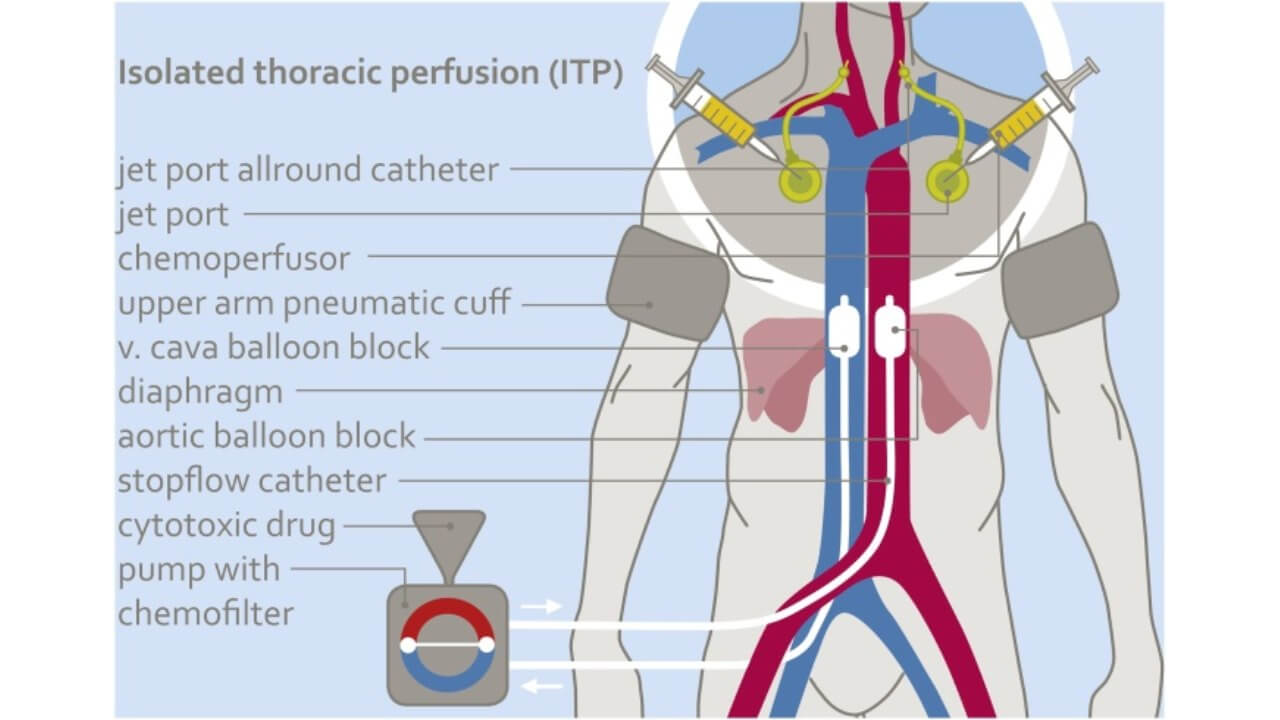
Isolated thoracic perfusion with chemofiltration is an innovative regional mouth carcinoma treatment designed to deliver chemotherapy via two angiographically placed common carotid artery catheters. This gives access to the head and neck arterial blood pools with the possibility of high-dose chemotherapy drugs reaching the mouth tumor site quicker and more efficiently. Then, a chemofiltration is performed to lower systemic toxicity. This gives the patient a chance to eradicate side effects that standard treatment provides and more effectively shrink the tumour to achieve complete remission.
Stage 4 oral mouth tumor treatment
Stage 4 oral cancer is diagnosed when the tumor cells spread beyond the primary tumor in the mouth to the distal lymph nodes and other organs, like bones, lungs, or liver. These cases need a multidisciplinary approach and attention to every detail of the patient’s history. Oral cancer stage 4 treatment focuses on controlling the tumor growth and spread as much as possible. Also, the key element of oral cavity cancer treatment during stage 4 is preserving speech, swallowing, and breathing, which will be essential to maintain patients’ quality of life and prolong their survival.
One of the steps is surgery that can remove the main tumour, metastases, and provide reconstruction to the appearance and function. HPV status can also influence the treatment course and help manage the malignancy correctly. When the disease is advanced, it is always paired with radiation therapy or chemotherapy, but it is a challenge for the human organism as a whole, because of severe side effects that these treatments have, like anaemia, weakness, hair loss, or cognitive decline.
But with the new emerging therapies like dendritic cell therapy, you, as a patient with a mouth tumor, can have hope for many more years with your family. Vaccination helps not only to shrink the main tumour, but to lower metastatic growth. Also, isolated thoracic perfusion with chemofiltration gives amazing results, helping patients deal with the main tumour and avoid tracheostomy or feeding tube. These stage 4 treatment options can be used on their own in inoperable cases, but also as an addition to the surgery, everything needs to be personalized to your specific situation.
| Treatment method | Side Effects | Duration | Response rate stage 4 |
|---|---|---|---|
| Dendritic cell therapy | Minimal (flu-like symptoms) | One-time procedure | 60%-80% |
| Standard chemotherapy | Severe (nausea, hair loss) | Several cycles | Less than 10% |
Mouth cancer treatment options and advantages in Germany
It is well known in the scientific field that many of the top centers to treat oral cancer, which focus on innovative therapies for patients with squamous cell oral cancer, are in Germany. If you are looking for a highly personalized approach, advanced technologies, and the best multidisciplinary teams, look no further than oral cancer clinics in Germany.
They are starting with complete diagnostics and tailoring a treatment plan that is specific to your stage of oral cancer. Best oral cancer hospitals in Germany offer new, emerging therapies, such as isolated thoracic perfusion with chemofiltration and dendritic cell vaccination, as well as advanced surgical procedures and chemotherapy. They will also provide you with speech and swallowing therapy, nutritional guidance, and psychological support. This gives you access to the best care possible, delivered with care and precision for your best outcomes. Not to mention, the average cost of oral cancer treatment in Germany is lower than in other countries like Great Britain or the USA.
Oral cancer patient stories
Getting diagnosed with cancer is an overwhelming and emotional process. Many patients are lost and don’t know where to start their treatment. They are afraid of chemotherapy, surgery, and side effects that often follow treatment of oral cancer. It is important for the patient to do research about their diagnosis and choose the best team and type of innovative treatment that can save their ability to speak, eat, and enjoy life.
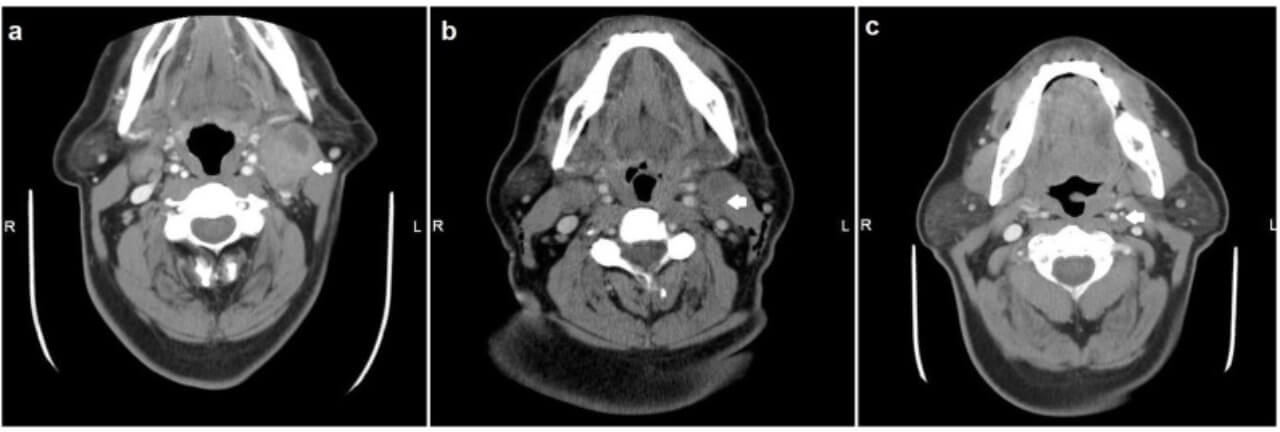
Take the case of a 47-year-old man who was diagnosed with a stage 4 aggressive tumour at the base of the tongue [10]. He started treatment in one of the best oral cancer treatment centers in Germany with the intra-arterial chemotherapy via the left and right carotid arteries. This allowed him to avoid the surgery that would have taken away his ability to eat and speak. But after three cycles of isolated thoracic perfusion with chemofiltration, the scans showed no visible tumour. And now, more than four years later, he enjoys his active, normal life in complete remission.
Another story is about a 60-year-old saxophonist who was told he has stage 4 advanced tonsil carcinoma and needs to undergo major surgery that will make it impossible to play on his musical instrument [9]. He and his family were devastated. When he arrived at the best hospital for mouth cancer in Germany, he was amazed by the readiness of the medical team to help based on his specific circumstances. He was offered to try other treatments like an isolated thoracic perfusion with chemofiltration, and after a few cycles of this advanced treatment, he has now been in complete remission for almost 10 years. This treatment gave him the possibility to avoid needing a tracheostomy or feeding tube and enjoy his job−playing saxophone.
These mouth cancer patient stories show that no matter how advanced the disease is, with a personalised treatment plan, there is a way to live a happy, fulfilling life.
A Medical Journey: Every Step of the Way With Booking Health
Finding the best treatment strategy for your clinical situation is a challenging task. Being already exhausted from multiple treatment sessions, having consulted numerous specialists, and having tried various therapeutic interventions, you may be lost in all the information given by the doctors. In such a situation, it is easy to choose a first-hand option or to follow standardized therapeutic protocols with a long list of adverse effects instead of selecting highly specialized innovative treatment options.
To make an informed choice and get a personalized cancer management plan, which will be tailored to your specific clinical situation, consult medical experts at Booking Health. Being at the forefront of offering the latest medical innovations for already 12 years, Booking Health possesses solid expertise in creating complex cancer management programs in each case. As a reputable company, Booking Health offers personalized oral cancer treatment plans with direct clinic booking and full support at every stage, from organizational processes to assistance during treatment. We provide:
- Assessment and analysis of medical reports
- Development of the medical care program
- Selection of a suitable treatment location
- Preparation of medical documents and forwarding to a suitable clinic
- Preparatory consultations with clinicians for the development of medical care programs
- Expert advice during the hospital stay
- Follow-up care after the patient returns to their native country after completing the medical care program
- Taking care of formalities as part of the preparation for the medical care program
- Coordination and organization of the patient's stay in a foreign country
- Assistance with visas and tickets.
- A personal coordinator and interpreter with 24/7 support
- Transparent budgeting with no hidden costs
Health is an invaluable aspect of our lives. Delegating management of something so fragile yet precious should be done only to experts with proven experience and a reputation. Booking Health is a trustworthy partner who assists you on the way of pursuing stronger health and a better quality of life. Contact our medical consultant to learn more about the possibilities of personalized treatment with innovative methods for squamous cell mouth cancer with leading specialists in this field.
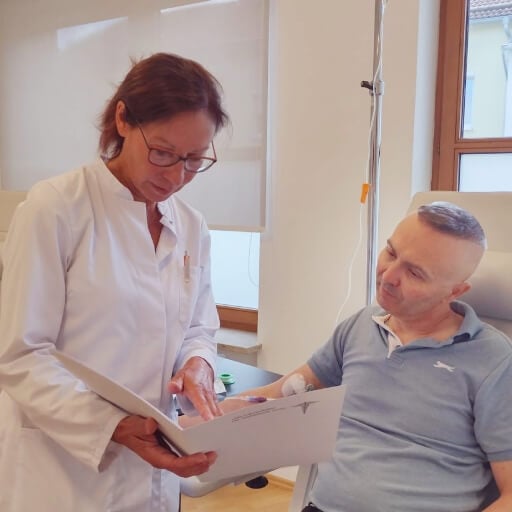
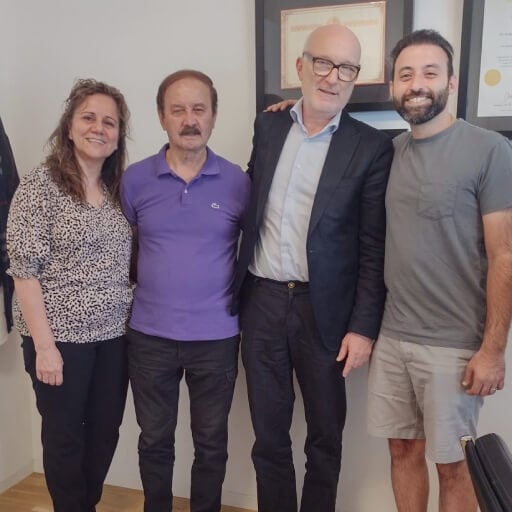
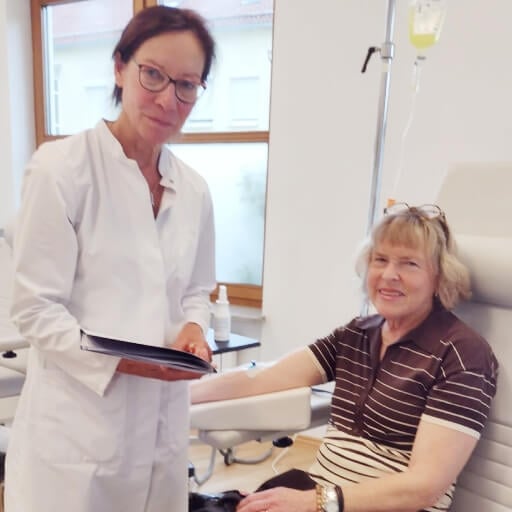
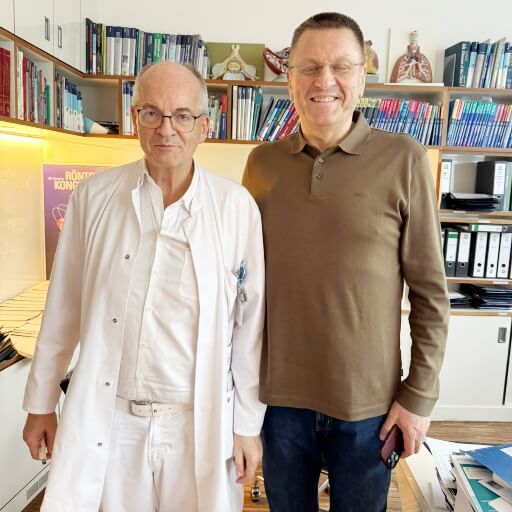
Fighting Cancer Together: Treatment Journeys with Booking Health



Frequently Asked Questions About Oral Cancer
Send request for treatmentOral cancer in mouth is a common type of malignancy, with approximately 1 in 59 men and 1 in 139 women having a lifetime risk of developing oral cancer, with an estimated of about 12,770 deaths from it in 2025.
First oral cancer symptoms are non-healing white or red patches, ulcers, or lumps inside the mucous lining in your mouth, on your lips, or in the base of your tongue.
Early-stage oral cancer is characterized by ulcers, lumps, or spots in your mouth that are present for more than a few weeks. They can cause some pain, difficulty chewing, or taste change.
Oral cancer inside mouth is often painless during the early oral cancer stages. That's why it’s important to visit a dentist frequently or notice non-healing white patches or ulcers and consult with your family physician.
The most common type of oral carcinoma is squamous cell carcinoma mouth. It develops from a thin squamous cell lining of the buccal mucosa.
Yes, smoking is one of the risk factors for getting oral cavity cancer. The other factors include alcohol consumption, chronic irritation, and HPV infection.
HPV status is directly linked to developing oral cancer. Over 60% of oral tumors in the USA are caused by the HPV virus.
The leading strain responsible for developing malignancy in the mouth is Human Papillomavirus-16.
Oral tumor is mainly diagnosed through a biopsy with histological examination of the tissue. Also, laryngoscopy or pharyngoscopy can be performed to examine the tumor spread to surrounding organs and tissues.
In the early stages, the oral cancer 5-year survival rate is more than 85%. However, only 35% will survive their tumor for 5 years after a stage 4 oral cancer diagnosis.
Oral cancer stage 4 means that the tumour has grown into the tissue and spread to lymph nodes and metastasized to distal organs like the lungs or liver.
Nowadays, with the help of new therapies, patients get access to oral tumor alternative treatment like dendritic cell vaccination that can increase the oral cancer success rate in cases of advanced malignancy.
Common oral cancer treatments include surgery, radiation therapy, and chemotherapy. Often, these treatments are combined.
According to the standard treatment protocols, surgery is the first step in the treatment plan, followed by chemo or radiation.
Yes, there are new treatments available, like dendritic cell immunotherapy for oral cancer. Isolated thoracic perfusion with chemofiltration is also one of the oral cancer alternative treatment options.
Oral cancer treatment without surgery is possible in some inoperable cases or in early stages, but usually surgery is only a one step during a multidisciplinary approach.
Germany offers the best oral cancer treatment centres with a personalized approach and new emerging treatment options, no matter whether you are there for oral cancer early-stage treatment or an advanced case with oral cancer metastasis.
Oral cancer treatment cost in Germany varies from €20,000 for dendritic cell therapy to over €150,000–for prolonged chemotherapy, surgery etc.
Top tumor centers globally include Gustave Roussy (France), Mayo Clinic (USA), and Memorial Sloan Kettering (MSKCC) (USA), as well as best mouth tumor hospitals in Germany like University Hospital Erlangen and Nordwest Clinic (Frankfurt).
The most effective type of treatment depends on the stage. For early detected oral tumours, invasive methods may be better, but stage 4 oral cancer treatment includes standard treatment options as well as innovative techniques to provide the best possible outcome for the patient.
Choose treatment abroad and you will for sure get the best results!
Authors:
This article was edited by medical experts, board-certified doctors Dr. Nadezhda Ivanisova, and Dr. Yana Dmytryshyn. For the treatment of the conditions referred to in the article, you must consult a doctor; the information in the article is not intended for self-medication!
Our editorial policy, which details our commitment to accuracy and transparency, is available here. Click this link to review our policies.
Sources:
[1] American Cancer Society. Key Statistics for Oral Cavity and Oropharyngeal Cancer. Key Statistics for Oral Cavity and Oropharyngeal Cancer
[2] Cancer Research UK. Survival for Mouth and Oropharyngeal Cancer. Survival for Mouth and Oropharyngeal Cancer
[3] Rengaswamy Sankaranarayanan, Kunnambath Ramadas, Hemantha Amarasinghe, Sujha Subramanian, Newell Johnson. Oral Cancer: Prevention, Early Detection, and Treatment. Cancer: Disease Control Priorities, Third Edition (Volume 3). Washington (DC): The International Bank for Reconstruction and Development / The World Bank; 2015 Nov 1. Chapter 5. doi: 10.1596/978-1-4648-0349-9_ch5. [DOI] [NCBI]
[4] Akhilanand Chaurasia, Saman Ishrat Alam, Navin Singh. Oral cancer diagnostics: An overview. Natl J Maxillofac Surg. 2021 Dec 13;12(3):324–332. doi: 10.4103/njms.NJMS_130_20. [DOI] [PMC free article]
[5] D B Nandini, Roopa S Rao, Jagadish Hosmani et al. Novel therapies in the management of oral cancer: An update. Dis Mon. 2020 Dec;66(12):101036. doi: 10.1016/j.disamonth.2020.101036. Epub 2020 Jun 25. [DOI] [PubMed]
[6] Mahsa Sadeghzadeh, Soghra Bornehdeli, Haniye Mohahammadrezakhani et al. Dendritic cell therapy in cancer treatment; the state-of-the-art. Life Sci. 2020 Aug 1:254:117580. doi: 10.1016/j.lfs.2020.117580. Epub 2020 Mar 20. [DOI] [PubMed]
[7] Ralph M Steinman. Dendritic cells: understanding immunogenicity. Eur J Immunol. 2007 Nov:37 Suppl 1:S53-60. doi: 10.1002/eji.200737400. [DOI] [PubMed]
[8] Issa Mohamad, Mica D E Glaun, Kumar Prabhash al. Current Treatment Strategies and Risk Stratification for Oral Carcinoma. Am Soc Clin Oncol Educ Book. 2023 May:43:e389810. doi: 10.1200/EDBK_389810. [DOI] [PubMed]
[9] Karl R Aigner, Emir Selak, Kornelia Aigner. Approaching 10 years disease-free survival after isolated thoracic perfusion for advanced stage IV tonsil carcinoma: A case report. Int J Surg Case Rep. 2020:75:71-74. doi: 10.1016/j.ijscr.2020.08.058. Epub 2020 Sep 3. [DOI] [PubMed]
[10] Karl R. Aigner. 55 Monate nach regionaler Chemotherapie eines fortgeschrittenen Zungengrundkarzinoms. Onkologische Welt 2022; 13(04): 238-241. doi: 10.1055/a-1789-0614. [DOI]
Read:
New Effective Treatments for Stage 4 Cancer: Innovations in Oncology