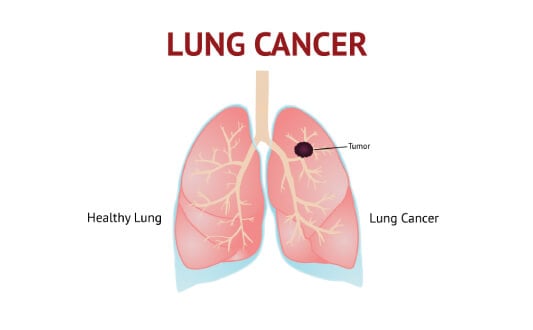


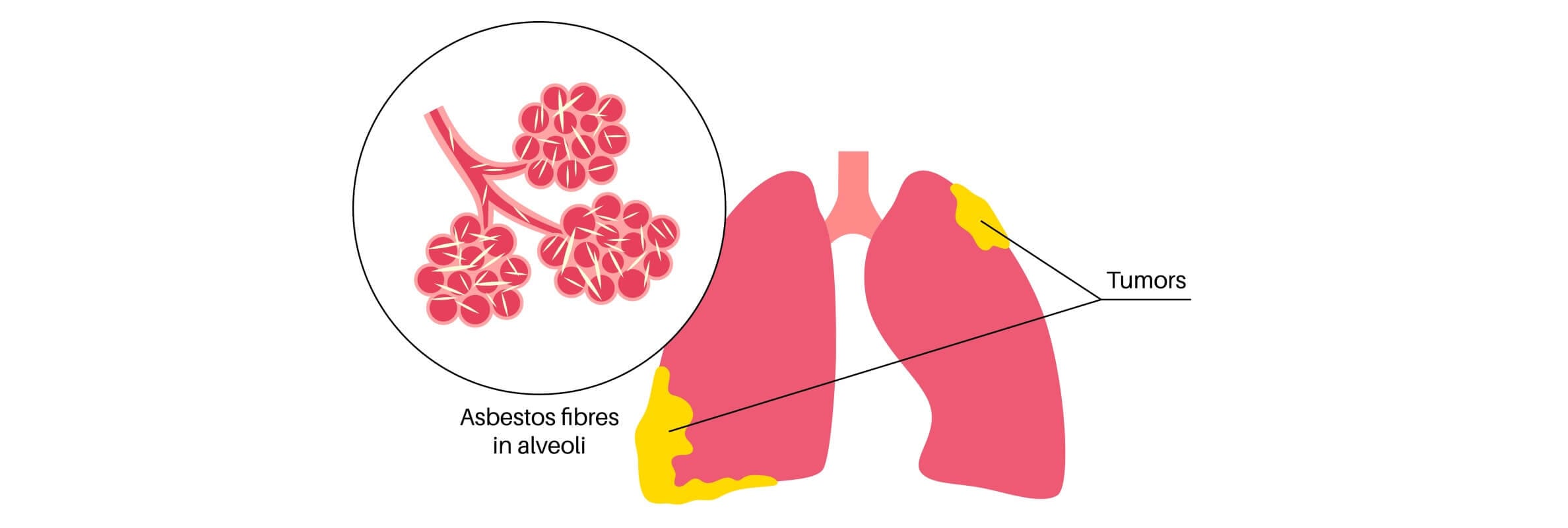


Pleural mesothelioma (PMe), also known as malignant pleural mesothelioma (MPM), is a rare and aggressive type of cancer that affects the pleura, which is a thin layer of tissue that creates lining of the lungs [1]. Mesothelioma is mostly caused by inhaling asbestos fibres, a mineral that is used in building materials. Over time, asbestos damages the DNA and increases inflammation of the pleura, causing cancer to grow.
Historically, males are more likely to develop cancer of the lining of the lungs (78%) because they often have jobs with higher asbestos exposure [2]. Worldwide, there are currently diagnosed around 2,417 new cases/year [3]. The 5-year survival rates are low, and report: 18% for localized pleural cancer, 11% for regional, and 7% for distant pleural mesothelioma [2]. Sadly, it is often diagnosed during later stages, which limits the treatment options. Treating mesothelioma is a challenge, but with the help of new treatments, there is a chance to extend quality of life and prognostic outcomes.
Types of Pleural Mesothelioma
There are three histological types of pleural cancer [4]. First, the epithelioid mesothelioma (eMPM), which is the most common type, accounting for nearly 50-70% of all cases. It mimics normal epithelioid cells, forming clusters. It is the most treatable type, and it tends to spread more slowly.
Sarcomatoid type (SMPM) is rarer, but still makes up about 10-20% of all pleural mesothelioma cases. It is the most aggressive form and can be less responsive to standard treatment options. Generally, it is associated with poorer outcomes.
Biphasic malignant pleural mesothelioma (Biph-MPM) combines both types of cancer cells–epithelioid and sarcomatoid. It can be challenging to diagnose this type of mesothelioma, as well as it can be a challenge to treat, because each cells respond to it differently.
Stages of Pleural Mesothelioma
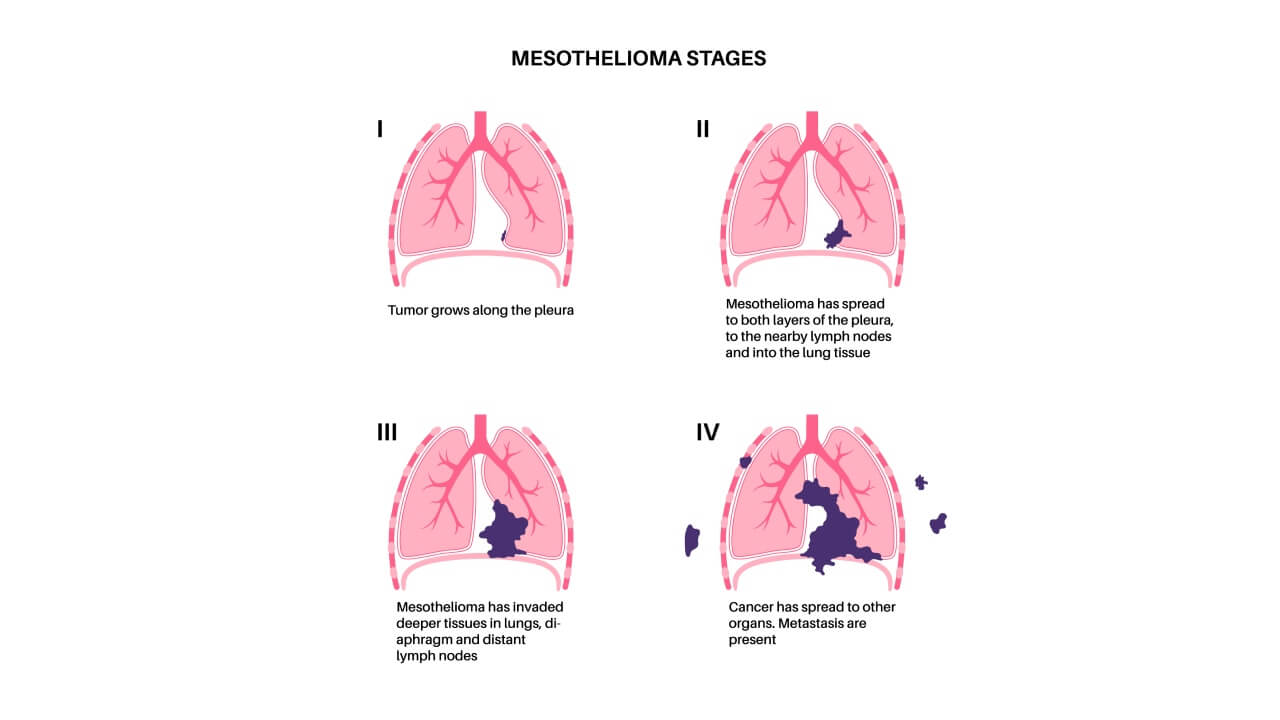
Malignant pleural mesothelioma is staged with the TNM system, like most cancers. The stages of pleural cancer are [5]:
Pleural mesothelioma stage 1. It is a cancer localized in a single site without signs of spreading. When diagnosed at this stage, and with aggressive treatment like surgery, the long-term survival is most favorable.
Stage 2 pleural mesothelioma. During this stage, the tumor starts spreading to nearby organs like the lungs, diaphragm, and pericardium. The cancer during this stage is more symptomatic and harder to manage.
Pleural mesothelioma stage 3. The cancer spreads deeper into local organs and invades lymph nodes. During this stage, patients suffer from consistent pain, vomiting, and difficulty breathing.
Pleural mesothelioma stage 4. During this stage, cancer cells spread to distal organs like the brain or bones and lymph nodes, creating metastases. It is usually inoperable and causes severe breathing difficulties.
Diagnosis and Tests for Pleural Mesothelioma
Diagnosis of pleural cancer can be a challenge because of nonspecific symptoms that can mimic other lung diseases, like chronic obstructive pulmonary disease, and more. The most common tests for malignant pleural mesothelioma are [6]:
- X-ray. It can’t confirm the cancer diagnoses, but it’s an easy and routine procedure that can show the doctor that something is wrong in the chest, like the presence of pleural effusion, and needs further testing.
- CT (computer tomography scan). Using X-rays, the scanner makes detailed images of the body. It can show tumor size and location as well as whether or not lymph nodes and other organs are involved.
- MRI (magnetic resonance imaging). This test focuses on soft tissue and can show the chest wall or diaphragm in more detail, which is important for the surgery.
- Thoracentesis. It’s an important diagnostic step that removes fluid from the pleural space, relieving symptoms, with further histological analysis.
- Biopsy. It is usually done by thoracoscopic surgery or with CT-guided needle biopsy. Then the part of the tumour is examined, and the histological type is defined, helping with choosing the right treatment.
- PET scan. The tumor cells accumulate the radioactive contrast, which is detected by the scanner. This is an important test to detect metastases and control the effectiveness of the treatment.
Standard Treatment Methods for Pleural Mesothelioma
Malignant mesothelioma pleural treatment is a real challenge and requires a combined approach. Conventional treatment options are [7]:
- Surgery is one of the main steps in cancer treatment if diagnosed early, or if the tumor is an epithelioid type. Usually, the tumor gets ressected with all visible pleura lining with or without the lung, part of the diaphragm, or pericardium. But it is not routinely recommended.
- Chemotherapy. It can be given before or after the surgery, as well as a treatment on its own. It can consist of a combination of drugs to slow tumor growth, and has a wide impact on the whole body, causing severe side effects.
- Immunotherapy. With the help of immune checkpoint inhibitor drugs, the immune cells can more easily recognise and attack cancer cells that slowing tumour progression and, in some patients, improving survival.
Innovative Treatment Methods for Pleural Mesothelioma
Dendritic Cell Therapy for Pleural Mesothelioma
Dendritic cell (DC) vaccination is a new, promising immunotherapy that can help patients with malignant pleural mesothelioma to gain disease control with minimal associated toxicity [8]. Dendritic cells’ function is to "present" antigens like cancer cells to T-cells to start the antitumor response pathway. This fundamental discovery received the Nobel Prize in Physiology or Medicine in 2011, showing the key role of dendritic cells in initiating and regulating immune responses.
The process of creating a dendritic cell vaccine starts with collecting blood from the patient. In the laboratory, they show the cells specific lining of the lung cancer antigens. Once it’s ready, the personalized vaccine is injected into the patient and starts working immediately.
This innovative treatment allows the patient to get a highly personalized response against the tumor with limited side effects. Dendritic cells immunotherapy for pleural cancer is a significant breakthrough from standard treatment protocols like chemotherapy, giving patients a chance to live a fulfilling life with improved long-term survival rates.
Exclusive interview with Prof. Gansauge: Dendritic cell vaccination and its benefits
Isolated thoracic perfusion with chemofiltration for Pleural Mesothelioma
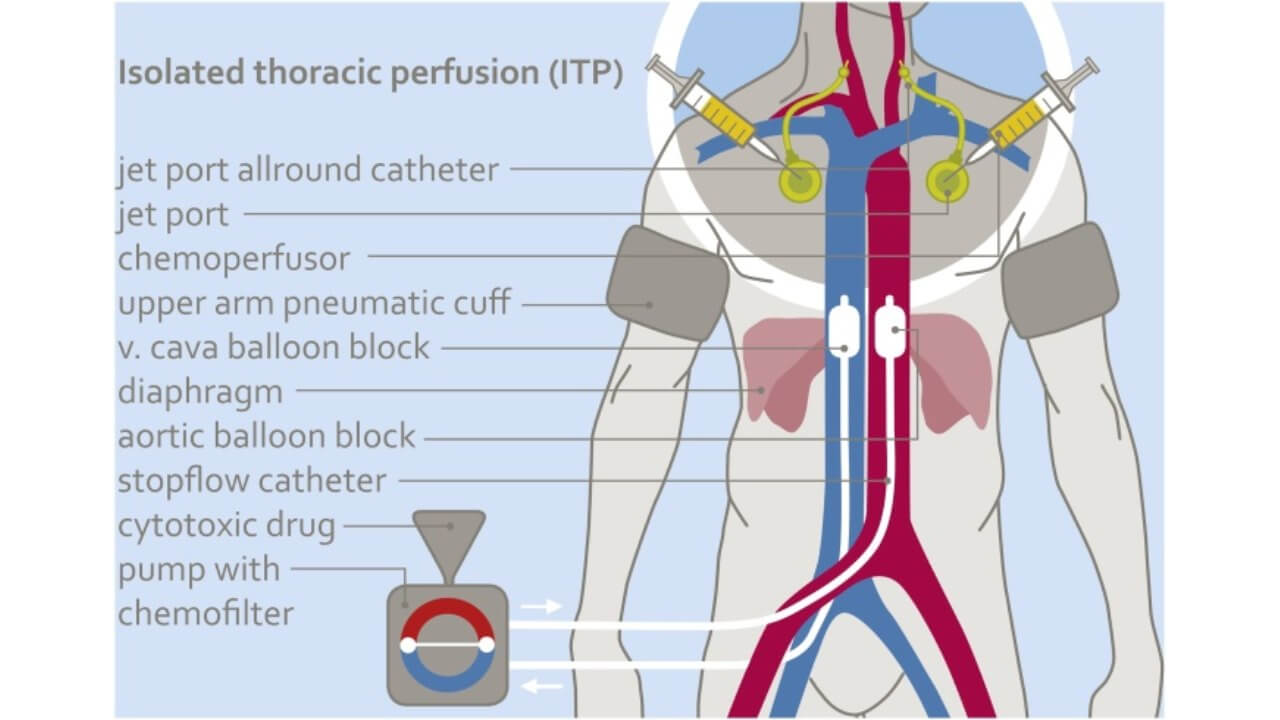
As a part of regional chemotherapy, a new treatment was developed for patients with progressive malignant pleural mesothelioma called isolated thoracic perfusion with chemofiltration [9]. The pleural blood stream is getting isolated with catheters through the femoral vessels as well as the aorta and vena cava. The blood flow to the arms is also restricted by pneumatic cuffs. This creates an isolated circuit in the thoracic region, allowing for the ingestion of chemotherapeutic drugs directly to the region of the tumour. Then the system is open again, and chemofiltration is performed to limit the harmful effects of chemo on the whole body. The treatment itself is performed under general anesthesia and lasts about an hour for each cycle.
This treatment is really effective and tolerable, with generally mild toxicity. Compared to conventional treatment, patients report a better quality of life, better disease control, and symptoms relief. The prognosis differs by stage, but usually, after isolated thoracic perfusion with chemofiltration, the pleural mesothelioma survival rates increase, which gives patients more time to enjoy with their family.
Treatment for Metastatic Pleural Mesothelioma
Treatment of metastatic pleural tumor focuses on controlling disease progression, lowering symptoms, and keeping an active life as long as possible, since the cancer cells have already spread to the distal organs. This is also called stage 4 pleural mesothelioma and has a poor prognosis and survival rate. Usually, surgery is not an option at this point because it is almost impossible to get the main tumor out without damaging vital organs [11]. That’s why it needs a highly personalized multidisciplinary treatment plan to evaluate all the symptoms and lung cancer mesothelioma progression.
Chemotherapy is the standard approach for diffuse malignant mesothelioma aimed at lowering the tumour burden on the organism. But with the severe side effects that come with chemo, patients often feel fatigue, severe nausea, and decreased blood count. Other treatments can include radiation therapy, which can be used with a palliative approach by reducing pain and controlling the size of the tumor masses.
But in recent years, with the help of new treatments, patients have access to better cancer control. With the help of an isolated thoracic perfusion with chemofiltration, the tumor can be shrunk by delivering chemo drugs directly to the pleural cavity. Another emerging treatment is a dendritic cell therapy that can provide an intense immune response and target not only the main tumour itself but also metastases. That’s why, with the help of innovative treatment options, the diagnosis of pleural tumor is now more treatable than ever.
| Survival rate | Side effects | Duration | |
|---|---|---|---|
| Standard treatment options | ~20% for advanced cancer | Severe (nausea, hair loss) | Several cycles |
| Alternative new therapies | ~80% for advanced cancer | Minimal (flu-like symptoms) | One-time procedure |
Pleural Mesothelioma Treatment in Germany
Treatment of malignant pleural mesothelioma in Germany involves one of the best cancer centers in the world. Their teams offer a unique personalized approach with full support throughout every step. First, they will perform all the necessary diagnostic tests to determine the cancer stage, analyze the histological structure of malignant mesothelioma, and what organs are involved. Then, with the team of specialists at the pleural mesentelioma center, they will develop a plan of treatment that focuses on your symptoms, goals, and personal treatment tolerance.
They use standard treatment protocols with new therapies, which gives patients a chance at better outcomes. Innovative therapies in Germany, such as isolated thoracic perfusion with chemofiltration or dendritic cell vaccinations, can target cancer cells more precisely, which is a crucial thing for patients with metastatic cancer.
Mesothelioma treatment cost in Germany differs depending on the procedure needed for your specific case, but it is always transparent and more affordable than in other countries. Even when a complete cure is not possible, medical specialists will provide you with the best targeted therapy to extend survival and improve your quality of life.
| Treatment methods | Germany | USA | Great Britain | Australia |
|---|---|---|---|---|
| Surgery | €25,000 - €45,000 | €65,000 - €85,000 | €35,000 - €55,000 | €50 000 - €90 000 |
| Chemotherapy | full course €80,000 - €150,000 | full course €100,000 - €180,000 | full course €90,000 - €165,000 | €50,000 - €170,000 |
| Dendritic cell therapy | €20,000 - €38,000 | €100,000 - €150,000 | Not available | Not available |
A Successful Patient Story With Pleural Mesothelioma
Treating cancer is not an easy process, especially with such a rare and aggressive type like malignant mesothelioma. Patients often feel frightened and experience anxiety and depression because they don’t know how to deal with this type of diagnosis. With all the opinions and treatment options, it’s easy to get lost and lose hope. That’s why it’s important to find a medical team that will offer you personalized support and tailor treatment for your specific case.
Like a 76-year-old male named Karl, who was diagnosed with cancer in the lining of the lung and was recommended surgery and chemotherapy. He underwent pleurectomy and chemo, but despite those treatments, CT scans revealed a progressive tumour and her symptoms, like shortness of breath and fatigue, worsened. After contacting some mesothelioma clinics, he decided to start his mesothelioma tumor treatment in Germany.
Karl underwent isolated thoracic perfusion with chemofiltration under general anesthesia. He stayed at the hospital for several days and experienced some light flu-like side symptoms. He felt much better after the procedure compared with his previous chemotherapy experience. During the follow-up scans, the patient showed tumour stabilization and slowed progression. These treatments gave Karl more time with his family and allowed her to enjoy normal living for quite longer.
A Medical Journey: Every Step of the Way With Booking Health
Finding the best treatment strategy for your clinical situation is a challenging task. Being already exhausted from multiple treatment sessions, having consulted numerous specialists, and having tried various therapeutic interventions, you may be lost in all the information given by the doctors. In such a situation, it is easy to choose a first-hand option or to follow standardized therapeutic protocols with a long list of adverse effects instead of selecting highly specialized innovative treatment options.
To make an informed choice and get a personalized cancer management plan, which will be tailored to your specific clinical situation, consult medical experts at Booking Health. Being at the forefront of offering the latest medical innovations for already 12 years, Booking Health possesses solid expertise in creating complex cancer management programs in each case. As a reputable company, Booking Health offers personalized pleural mesothelioma treatment plans with direct clinic booking and full support at every stage, from organizational processes to assistance during treatment. We provide:
- Assessment and analysis of medical reports
- Development of the medical care program
- Selection of a suitable treatment location
- Preparation of medical documents and forwarding to a suitable clinic
- Preparatory consultations with clinicians for the development of medical care programs
- Expert advice during the hospital stay
- Follow-up care after the patient returns to their native country after completing the medical care program
- Taking care of formalities as part of the preparation for the medical care program
- Coordination and organization of the patient's stay in a foreign country
- Assistance with visas and tickets.
- A personal coordinator and interpreter with 24/7 support
- Transparent budgeting with no hidden costs
Health is an invaluable aspect of our lives. Delegating management of something so fragile yet precious should be done only to experts with proven experience and a reputation. Booking Health is a trustworthy partner who assists you on the way of pursuing stronger health and a better quality of life. Contact our medical consultant to learn more about the possibilities of personalized treatment with innovative methods for malignant mesothelioma cancer with leading specialists in this field.
International Cancer Care: Patient Stories with Booking Health





Frequently Asked Questions About Pleural Mesothelioma
Send request for treatmentPleural mesothelioma is a rare cancer that develops in the pleural space around the lungs in people who have had long-term asbestos exposure.
Early pleural mesothelioma symptoms include shortness of breath, cough, pain in the chest area, and fatigue.
Diagnosis of malignant mesothelioma usually involves a CT scan or a PET scan with biopsy to examine mesothelioma cells and confirm the diagnosis.
Pleural cancer is an aggressive, cancerous condition that is often diagnosed at later stages.
It is not often completely cured, but pleural mesothelioma treatment pleura can control the tumour growth and manage symptoms. With the help of new alternative treatments, patients can get a better quality of life for a longer period.
Stage 4 pleural mesothelioma is diagnosed when cancer cells spread to distant lymph nodes and organs. It is also called metastatic pleural mesothelioma.
When diagnosed with advanced pleural tumor, a cure is rare, but new emerging therapies can help patients improve their quality of life and extend their survival.
Pleural cancer often spreads locally into surrounding organs like the diaphragm, chest wall, lungs, but the most common metastatic sites are the liver, kidneys, spine, and peritoneum.
Pleural malignancy develops from the lining of the lung called the pleura. Lung cancer starts primarily in the lung tissue. They are completely different treatment strategies.
The most common treatment options for pleural mesothelioma combine chemotherapy with surgery or other treatments like radiation therapy or immunotherapy.
Yes, with the help of advanced treatments like dendritic cell therapy or isolated thoracic perfusion with chemofiltration, patients get new possibilities to control their disease.
Isolated thoracic perfusion with chemofiltration is a treatment that delivers high-dose chemotherapy drugs directly to the tumor localization in–chest. Then the chemofiltration is performed to lower the overall toxicity on the body.
Yes, a lot of patients’ treatment plans include chemotherapy, radiation therapy, or other alternative treatments depending on stage and progression.
Mesothelioma treatment Germany gives the patient access to the best new therapies with personalized care, a multidisciplinary approach, and help every step of the journey.
The average cost of mesothelioma treatment with innovative therapies in Germany very from €20,000 to €100,000, depending on what treatment options are best for your specific circumstances.
Top lining of the lungs tumor hospitals are MD Anderson Cancer Center, Mayo Clinic, Mount Sinai Hospital, as well as University Hospital RWTH Aachen, University Hospital Ulm, and ViDia Hospital Karlsruhe. They are highly specialized institutions and have the best cancer center pleural mesothelioma programs.
Choose treatment abroad and you will for sure get the best results!
Authors:
This article was edited by medical experts, board-certified doctors Dr. Nadezhda Ivanisova, and Dr. Yana Dmytryshyn. For the treatment of the conditions referred to in the article, you must consult a doctor; the information in the article is not intended for self-medication!
Our editorial policy, which details our commitment to accuracy and transparency, is available here. Click this link to review our policies.
Sources:
[1] Christopher Cao, Beth Croce, Rebecca Harris. MPM: Malignant Pleural Mesothelioma. Ann Cardiothorac Surg. 2012 Nov;1(4):544. doi: 10.3978/j.issn.2225-319X.2012.11.03. [DOI] [PubMed]
[2] Stephanie Ejegi-Memeh, Steve Robertson, Bethany Taylor, Liz Darlison, Angela Tod. Gender and the experiences of living with mesothelioma: A thematic analysis. Eur J Oncol Nurs. 2021 Jun:52:101966. doi: 10.1016/j.ejon.2021.101966. Epub 2021 Apr 28. [DOI] [PubMed]
[3] Giuseppe Cardillo, David Waller, Sara Tenconi, Vincenzo Di Noia, Sara Ricciardi. Malignant Pleural Mesothelioma: A 2025 Update. J Clin Med. 2025 Feb 5;14(3):1004. doi: 10.3390/jcm14031004. [DOI] [PubMed]
[4] Robert Ryan Meyerhoff, Chi-Fu Jeffrey Yang, Paul J Speicher et al. Impact of mesothelioma histologic subtype on outcomes in the Surveillance, Epidemiology, and End Results database. J Surg Res. 2015 Jun 1;196(1):23-32. doi: 10.1016/j.jss.2015.01.043. Epub 2015 Jan 29. [DOI] [PubMed]
[5] Maria Bonomi, Costantino De Filippis, Egesta Lopci et al. Clinical staging of malignant pleural mesothelioma: current perspectives. Lung Cancer (Auckl). 2017 Aug 18;8:127–139. doi: 10.2147/LCTT.S102113. [DOI] [PMC free article]
[6] Francisco Rodríguez Panadero. Diagnosis and treatment of malignant pleural mesothelioma. Arch Bronconeumol. 2015 Apr;51(4):177-84. doi: 10.1016/j.arbres.2014.06.005. Epub 2014 Jul 22. [DOI] [PubMed]
[7] Hedy L Kindler, Nofisat Ismaila , Lyudmila Bazhenova et al. Treatment of Pleural Mesothelioma: ASCO Guideline Update. J Clin Oncol. 2025 Mar 10;43(8):1006-1038. doi: 10.1200/JCO-24-02425. Epub 2025 Jan 8. [DOI] [PubMed]
[8] Tobias Peikert, Daniel H Sterman. Harnessing the Power of the Host: Improving Dendritic Cell Vaccines for Malignant Pleural Mesothelioma. Am J Respir Crit Care Med. 2016 May 1;193(9):943-5. doi: 10.1164/rccm.201512-2444ED. [DOI] [PubMed]
[9] Karl Reinhard Aigner, Emir Selak, Sabine Gailhofer. Isolated thoracic perfusion with chemofiltration for progressive malignant pleural mesothelioma. Onco Targets Ther. 2017 Jun 19:10:3049-3057. doi: 10.2147/OTT.S134126. eCollection 2017. [DOI] [PubMed]
[10] Karl R Aigner, Emir Selak, Kornelia Aigner. Approaching 10 years disease-free survival after isolated thoracic perfusion for advanced stage IV tonsil carcinoma: A case report. Int J Surg Case Rep. 2020:75:71-74. doi: 10.1016/j.ijscr.2020.08.058. Epub 2020 Sep 3. [DOI] [PubMed]
[11] Arnaud Scherpereel, Isabelle Opitz, Thierry Berghmans et al. ERS/ESTS/EACTS/ESTRO guidelines for the management of malignant pleural mesothelioma. Eur Respir J. 2020 Jun 11;55(6):1900953. doi: 10.1183/13993003.00953-2019. Print 2020 Jun. [DOI] [PubMed]
Read:
New Effective Treatments for Stage 4 Cancer: Innovations in Oncology