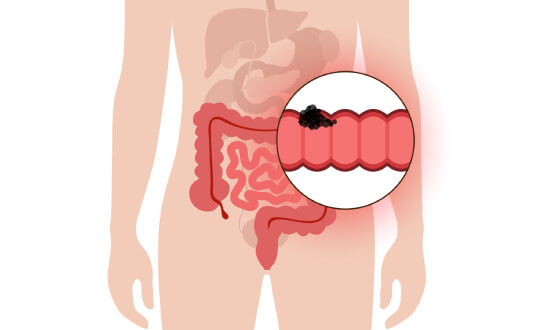




Cancer of the bowel can seem overwhelming initially, but learning about your diagnosis is a great first step toward feeling more in control of your health. Also known as colon cancer, it is a malignant growth in the large intestine, including the colon and rectum. It makes up about 7.6% of all new malignancy diagnoses in the USA, ranking as the fourth most common malignant tumors [1]. Typically, it begins as a benign polyp that may become cancerous over time. An estimated 15% to 40% of colon tumors develop from polyps within 2 to 5 years [2]. Since this progression is slow, early detection through screening is highly effective.
The survival rate for colon cancer patients is different and can be influenced by key factors like the stage of the disease at the moment of diagnosis, tumor histological and genetic type, location, presence of comorbidities, and selected treatments. The best bowel cancer treatment in Germany includes modern diagnostic procedures, minimally invasive surgery, and immunotherapies that can improve outcomes and extend life expectancy. According to the National Cancer Institute, the 5-year survival rate for tumors of the bowel at the early stage is about 91,5% [3].
Benefits of Bowel (Colon) Cancer Treatment in Germany
Bowel cancer treatment in Germany is recognized among the most innovative worldwide, and the country is a leader in high-quality care. Many patients prefer to receive treatment in Germany for its advanced healthcare system, multidisciplinary teams with extensive experience, higher survival rates, and a patient-focused approach. Here are some of the benefits of treatment in Germany:
- Hospital quality and certifications. Bowel cancer treatment centers in Germany are usually certified by the German Cancer Society and ranked highly by Focus magazine. Choosing care at these hospitals means you'll receive top-quality treatment you can trust.
- Experience with all disease stages. Treating colorectal cancer is all about tailoring care to everyone’s needs, especially since it can vary a lot between early and advanced stages. The best hospitals for stage 4 colon cancer in Germany use a mix of surgery, chemotherapy, and innovative treatments to give patients the best possible options. An individualized treatment plan gives each patient the possibility to receive the most empathetic and effective care tailored to their tumor characteristics and main goal.
- Advanced technologies. The best bowel cancer treatment in Germany is dependent on the use of minimally invasive robot-assisted surgical approaches and the development of personalized cancer vaccines based on dendritic cells. These modern and innovative procedures help reduce trauma, shorten hospital stays, and give a patient a faster recovery.
Early Detection of Colon Cancer in Germany
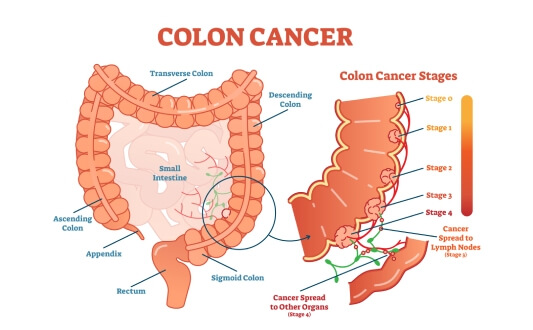
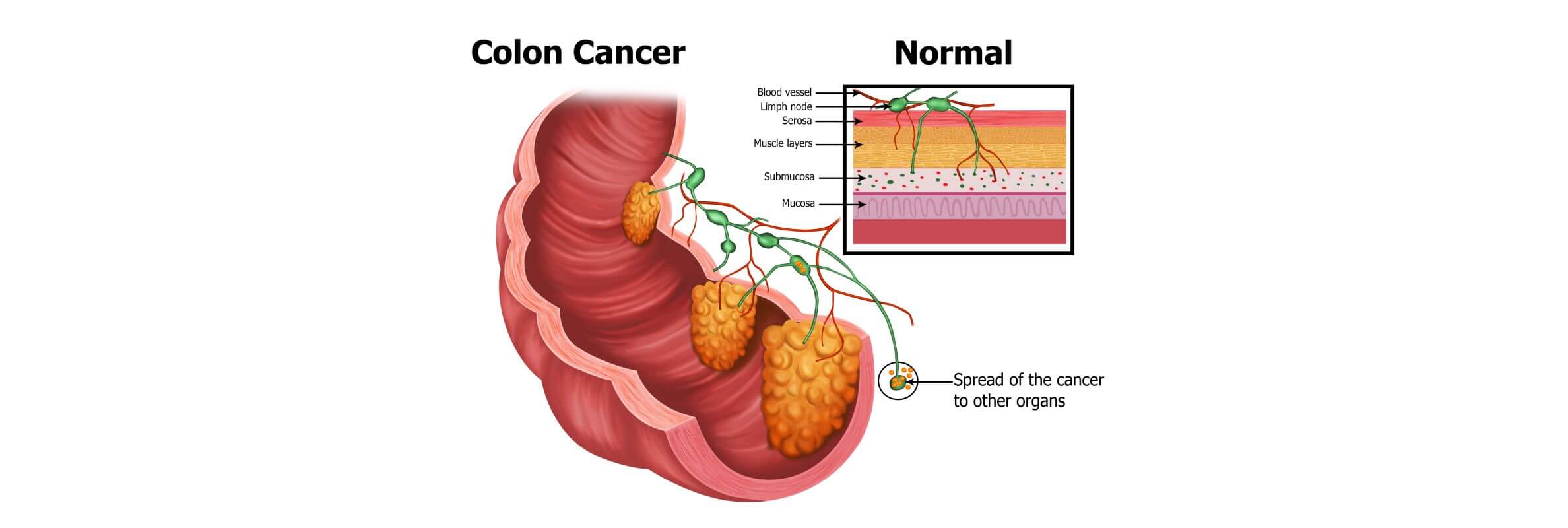
In the early stages of colon cancer, the tumor is localized within the intestinal wall and does not invade surrounding organs like the intestine, bladder, or abdominal wall. During stage 3 colon cancer tumor spreads into the local lymph nodes and nearby tissues. When diagnosed with stage 4 colon cancer, the malignancy already extended to distant organs or expanded across the peritoneum.
Therefore, early detection is a powerful tool for improving treatment outcomes. When tumor is detected early, therapy is often less invasive, and recovery is faster.
Early indications of this kind of malignancy include persistent changes in bowel habits such as diarrhea, constipation, or narrower stools, along with blood in the stool or rectal bleeding. Unexplained abdominal pain, bloating, or cramping may also occur. Additionally, general symptoms like unexplained weight loss, loss of appetite, or persistent fatigue and weakness can be present.
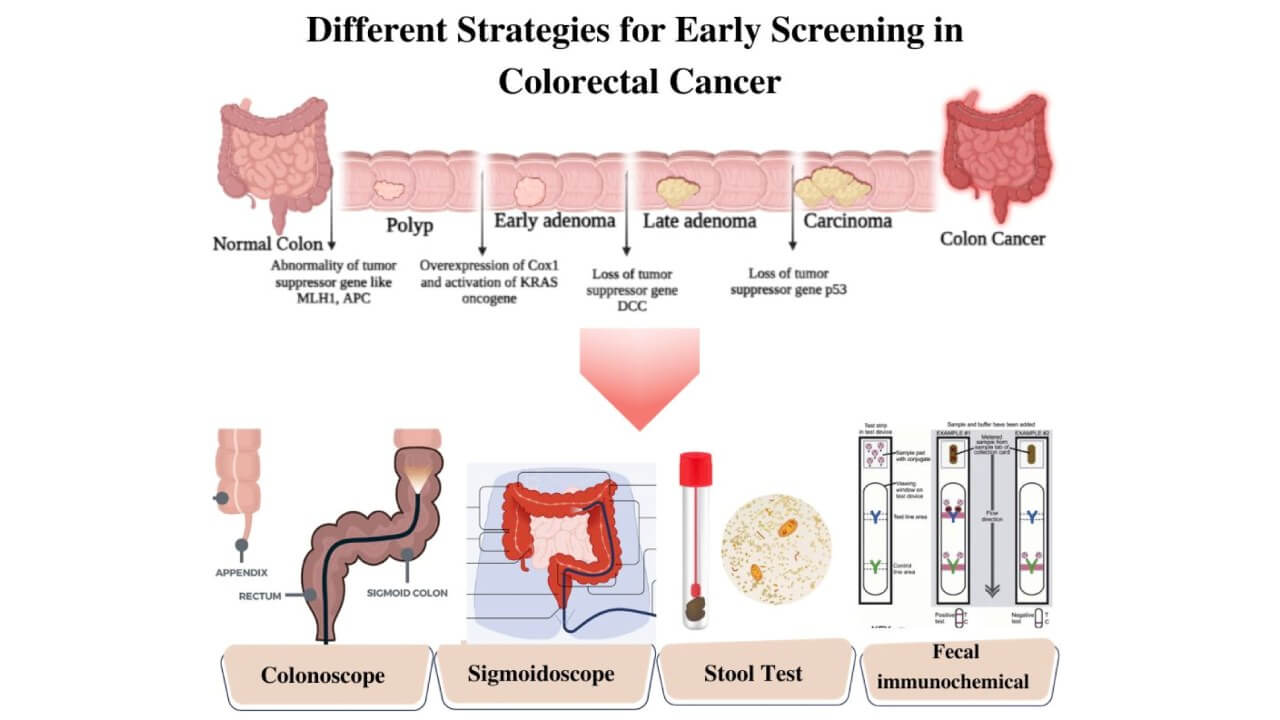
The diagnostic approach for bowel cancer in Germany usually begins with screening methods. The first colon cancer test is usually a colonoscopy, which allows visualization of the entire rectum and large intestine (colon) for abnormalities like polyps, inflammation, or tumors. During this procedure, questionable polyps can be removed before they become cancerous. Advanced imaging methods, like CT scanning and MRI, are also performed to verify the diagnosis and find out the extent of spread to other organs or lymph nodes. These diagnostic tools help oncologists at top clinics across Germany create detailed, personalized treatment plans tailored to your specific needs.
Best Treatment Options for Bowel Cancer in Germany
Best bowel cancer treatment in Germany combines advanced surgical techniques with drug therapies and a strong tradition of integrative medicine. Treatment can be highly different according to the tumor's stage, genetic profile, and anatomical location.
Bowel Cancer Treatment Stage 1
At this stage, it is localized within the inner layer of the bowel. The primary goal is to use minimally invasive techniques:
- Surgery. Most patients can be effectively treated with surgical resection of the primary tumor. Minimally invasive procedures like laparoscopic colectomy or hemicolectomy, as well as robotic-assisted surgery, are commonly used in Germany as they guarantee a shorter recovery period and less postoperative pain and complications.
- Endoscopic Removal. For tumors in an early stage, German specialized hospitals often prefer Transanal Endoscopic Microsurgery (TEMS), which gives the surgeons the ability to remove a cancerous tumor through the anus wall without external incisions [5].
- Dendritic cell therapy. An immunotherapeutic approach can be used to target microscopic tumor cells left behind after surgery. Methods like dendritic cell vaccination allow to create a life long immunity against cancer.
Typically, patients at stage 1 do not require chemotherapy or radiotherapy and should be closely monitored following surgery.
Bowel Cancer Treatment Stage 2
At this stage, the tumor has penetrated the bowel wall but has not yet involved the lymph nodes. It is important to prevent the spread of the malignancy:
- Surgery. The most common method is laparoscopic (minimally invasive) resection of the part of the colon. They also remove nearby lymph nodes to confirm there is no microscopic spread.
- Adjuvant Chemotherapy. In Germany, chemotherapy following surgery is advised for high-risk patients, such as those with tumor invasion into blood vessels or an inadequate number of lymph nodes sampled during the procedure.
- Dendritic cell therapy. Can be used in combination with targeted drugs or on its own to modulate the immune response towards residual cancer cells after surgery and provide lifelong immunity.
- Radiation. For low colon tumors, preoperative radiation or radiochemotherapy is often used to reduce the tumor size before surgery.
Bowel Cancer Treatment Stage 3
If the cancerous cells spread to nearby lymph nodes and surrounding tissue, it is classified as stage 3 colon cancer. The most common approach is:
- Neoadjuvant Therapy: In cases of colon malignancies, radiation and chemotherapy are often administered before surgery to facilitate tumor removal and help preserve the surrounding organs.
- Surgery. At this stage, the aim is to remove the tumor as well as perform an extended lymph node dissection. The procedure that is the most common is colectomy with lymphadenectomy. It aims to remove as much cancerous tissue as possible to lower the risk of recurrence.
- Adjuvant chemotherapy. This type of chemo is used to destroy any leftover malignant cells after the bowel cancer surgery has been performed.
- PIPAC treatment. It is a new way to deliver chemotherapy in the form of aerosol directly to the abdomen, targeting even the smallest cancer particles.
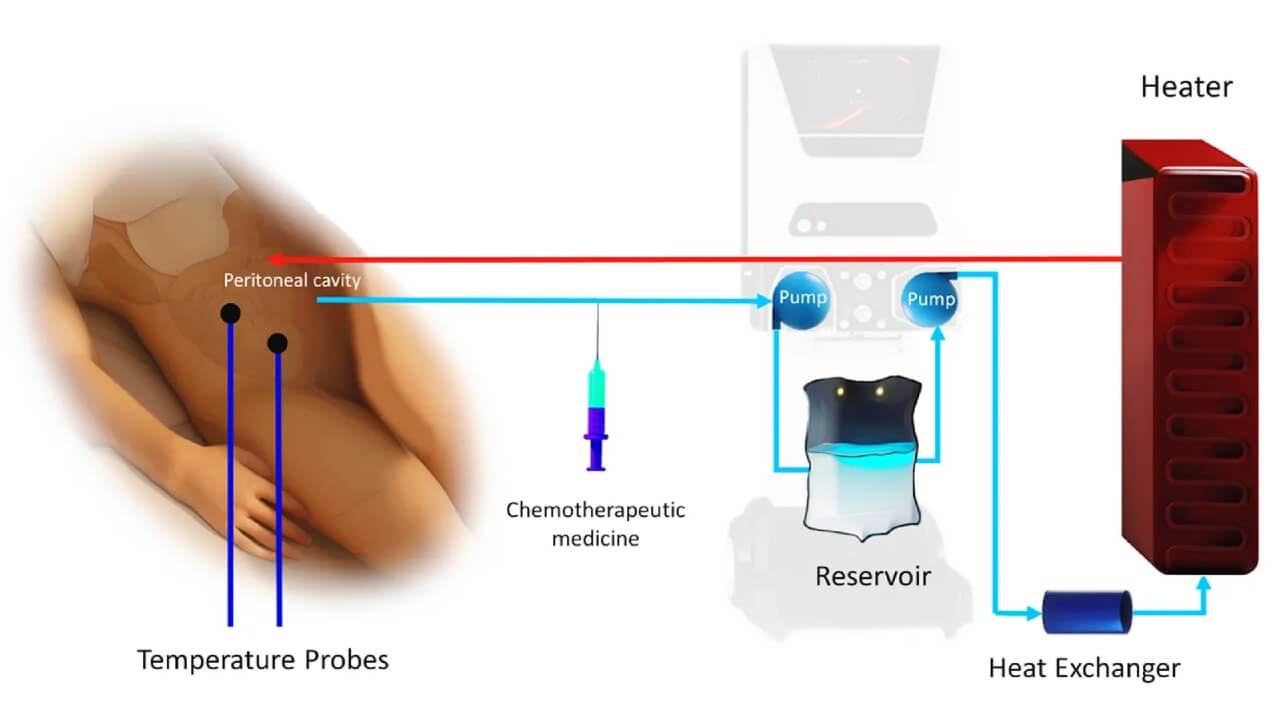
- HIPEC. It is an advanced treatment in which heated chemotherapy is delivered directly into the abdominal cavity immediately after surgical removal of visible tumors. This allows for high local drug concentrations and reduced systemic toxicity.
This all-around tactic gives an opportunity to target tumor cells at a microscopic level, providing local control and lessening the risk of recurrence.
Bowel Cancer Treatment Stage 4
Stage 4 colon cancer is a progressive stage of the illness, which is indicated by the presence of metastases in other organs, most commonly the liver or lungs, and, in the last phases, all across the abdominal wall (carcinomatosis). The treatment can include:
- Systemic chemotherapy. It is used to shrink tumors and slow the progression.
- Metastasis surgery. Whenever possible, removing metastases in the liver or lungs through surgery can improve survival chances. German centers are highly skilled in performing complex metastasis removals.
- HIPEC (hyperthermic intraperitoneal chemotherapy). For peritoneal spread, HIPEC is a targeted procedure that involves administering heated chemotherapy directly into the abdomen during surgery to eliminate microscopic malignant cells.
- Targeted therapy. It includes therapy options such as checkpoint inhibitors, which work by inhibiting cell division and the formation of blood vessels in the tumor.
- Dendritic cell vaccination. This new immunotherapy approach aims to stimulate the patient's own immune system to attack and kill cancerous cells.
- Minimally invasive liver interventions. It uses treatments like transarterial chemoembolization (TACE), which deliver chemotherapy drugs directly into liver metastases, lowering regional tumor growth and reducing systemic side effects.
Treatment of end-stage colon cancer in Germany always uses a multidisciplinary approach. It is focused on controlling disease spread, relieving symptoms, and improving quality of life.
Standard Treatment Methods for Bowel Cancer in Germany
Treatment for colon tumors depends on various factors, such as grade, location, and metastatic invasion. The most common types include:
- Chemotherapy. It is the standard type of treatment given for patients with almost all stages of colon tumors before or after the surgery. It has an impact on the whole organism, including metastasis, but also has severe side effects.
- Surgery. One of the essential steps for curing bowel malignancies completely. It requires complex evaluation and high surgical skills to completely resect the tumor with the lymph nodes. It is best when bowel cancer surgery is performed minimally invasively.
- Radiation therapy. It is used to deal with leftover cancerous cells after chemo or surgery, but often the tumor is resistant to conventional radiation therapy, which limits its effectiveness.
Innovative Treatment Methods for Colon Cancer in Germany
Alternative bowel cancer treatments in Germany are highly personalized and innovative, and combine standard treatment options with modern technologies and scientific research. These treatments are integrated into treatment plans that are designed to improve outcomes for all stages — from early disease to advanced metastatic tumors.
Here are listed some of the state-of-the-art therapies available in bowel cancer treatment centers in Germany.
Dendritic Cell Immunotherapy for Bowel Tumors in Germany
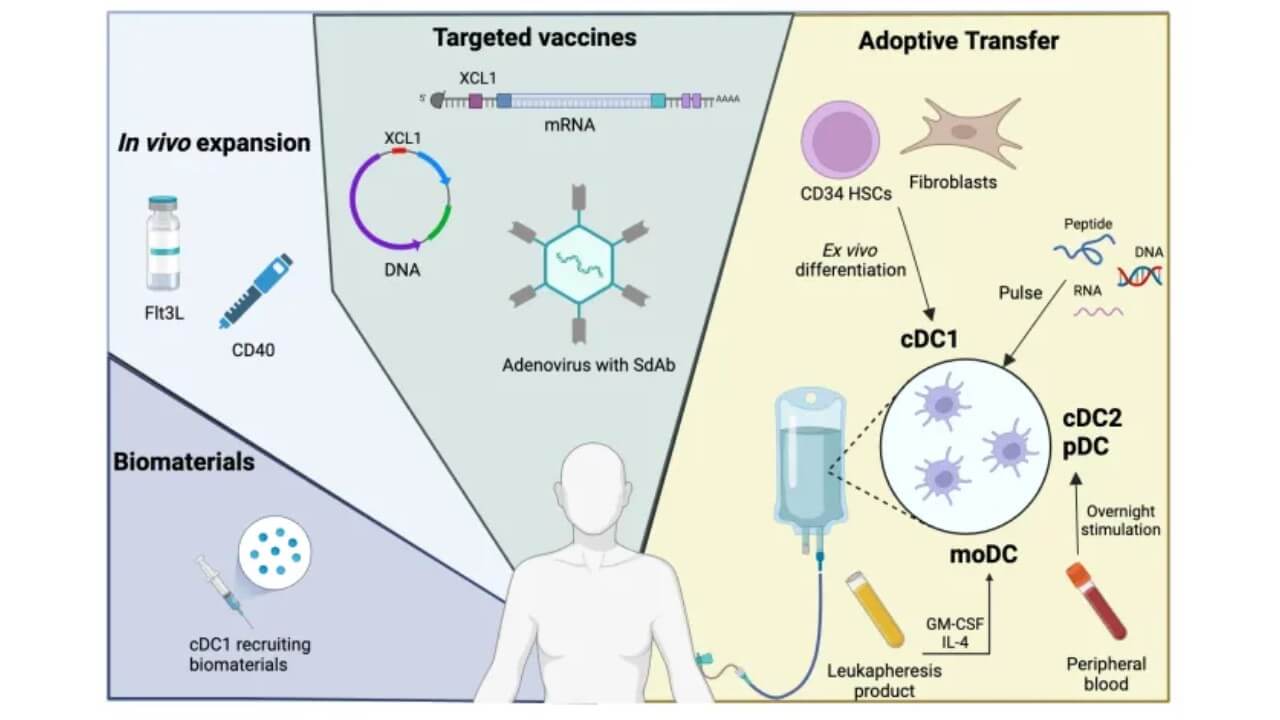
Dendritic cell vaccination (DCV) is an innovative form of immunotherapy that trains your own immune system to recognize and kill cancer. The treatment is personalized because the laboratory works with your own immune cells. It helps to gain control over the disease spread and growth with minimal associated toxicity. It can be used for bowel cancer treatment stage 1 and up to stage 4. Dendritic cells present antigens, such as specific signaling tools on the cancer cells, to T-cells, initiating the antitumor response [6]. This groundbreaking discovery was awarded the Nobel Prize in Physiology or Medicine in 2011, showing the lead role of dendritic cells in initiating and regulating immune responses.
The process of developing dendritic cell vaccines begins with blood collection from the patient. Dendritic cells are subsequently derived ex vivo from the blood sample and are activated by tumor-associated antigens originating from colorectal cancer. Following this, the vaccine is administered back into the patient’s body, prompting T-cells to actively eliminate abnormal cells.
To learn more about DCV, watch an interview with Prof. Gausauge, an expert in dendritic cell vaccination. He is based at a leading German clinic and provides a step-by-step explanation of the entire process and clinical indications.
Transarterial Chemoembolization (ТАСЕ) for Colon Tumors in Germany
Transarterial chemoembolization (TACE) is a minimally invasive procedure that is utilizing interventional radiology approach to treat liver tumors and metastases. It delivers targeted chemotherapy directly into the blood vessels feeding liver metastases, and then embolization is performed to stop blood flow to the tumor.
Interventional radiology allows for this procedure to be minimally invasive and image-guided. This approach delivers not only precise drug use but also access to distal metastases and embolization of target areas. Regional chemotherapy markedly enhances patient recovery, reduces side effects compared to conventional methods, and diminishes the overall tumor burden with reduced invasiveness.
The technique creates higher drug concentrations in the site of the tumor with limited systemic side effects and is often used for patients during bowel cancer treatment stage 4. TACE is a great procedure for colon cancer treatment in patients with inoperable liver metastases or those who can't tolerate systemic chemotherapy due to aggressive side effects and a decrease in quality of life.
Pressurized Intraperitoneal Aerosol Chemotherapy (PIPAC) for Bowel Tumors in Germany
PIPAC is a novel treatment for bowel cancer, primarily targeting peritoneal metastases (cancer spreading in the abdominal cavity). During laparoscopy surgeon, with the help of a special nebulizer, is spraying chemotherapy under pressure directly into the abdomen [7]. This method enables better penetration of the drug into tumor tissues compared to conventional liquid chemotherapy.
Also, when chemotherapy is administered directly into the abdominal cavity, it usually results in fewer side effects. This approach is mainly used for stage 4 colon cancer when the disease is too advanced for a successful minimally invasive surgery, like HIPEC, or when systemic chemotherapy does not help.
Hyperthermic Intraperitoneal Chemotherapy (HIPEC surgery) for Bowel Tumors in Germany
HIPEC surgery for colon cancer in Germany is an innovative treatment that combines maximum tumor removal with the use of heated chemotherapy, which is delivered right into the abdominal cavity.
First, the surgeon removes all visible masses from the abdominal cavity. It is a complex and precise procedure. Then the "hot wash" is performed. The chemotherapy solution is heated to approximately 42°C and pumped into the abdomen, where it circulates for about 60 to 90 minutes. The heat helps the drug penetrate malignant cells more effectively, killing microscopic islands of cancerous tissue.
The procedure increases the 5-year survival rate to 33-51% on the later stages [8]. It is considered one of the most advanced options for bowel cancer treatment stage 3 and stage 4. German centers that provide HIPEC are recognized for their excellent teamwork, bringing together surgical oncologists, anesthesiologists, and intensive care teams who are specially trained in this intricate procedure.
To learn more about HIPEC, including which types of cancer can be effectively treated with it, as well as the risks, benefits, and postoperative rehabilitation, watch the interview with Dr. Lipp, a leading specialist and the head physician of the Department of Abdominal and Colorectal Surgery.
Targeted Therapies for Colon Cancer in Germany
Centers for the best bowel cancer treatment in Germany also test the tumor's genetic and molecular features and select a special drug that can target cancer cells the best. They prohibit cancerous cells from growing and spreading across the body. These medicines have a more precise use and spare healthy cells, causing fewer side effects. They are often introduced for bowel cancer treatment at stage 2 and later stages.
Some of the targeted therapies for colon cancer treatment include [10]:
- EGFR Inhibitors. They block the growth factor receptor, which promotes cell division. They are effective only in patients whose tumors do not have KRAS or NRAS mutations.
- VEGF Inhibitors. This medication prevents tumors from forming new blood vessels. This results in cutting the nutrient and oxygen supply. It is often combined with standard chemo.
- BRAF inhibitors. Used in patients with BRAF-mutated tumors. It contributes to reducing the aggressiveness of the tumor and enhances its responsiveness to chemotherapy.
- HER2-targeted therapy. In a small percentage of patients with cancers in the bowel that overexpress the HER2 protein, these drugs can be particularly effective.
Targeted therapy allows for a more precise attack on cancer cells and reduces damage to healthy tissues compared with standard chemotherapy. By targeting the unique characteristics of the tumor, German specialists can create more personalized treatment options that can prolong survival, especially for patients with advanced or resistant tumors to standard treatment options.
Cost of Bowel Cancer Treatment in Germany
Bowel cancer treatment costs depend on the disease stage, type of therapies, and the chosen destination to receive the treatment. Centers for the best bowel cancer treatment in Germany are known for high-quality care, state-of-the-art procedures, and transparent pricing, particularly for advanced procedures such as HIPEC, TACE, and dendritic cell immunotherapy.
| Treatment Method | Germany | Great Britain | Australia | USA |
|---|---|---|---|---|
| Chemotherapy | €80,000 - €150,000 full course | €90,000 - €165,000 full course | €80,000 - €140,000 | €100,000 - €180,000 full course |
| Dendritic cell therapy | €20,000 - €38,000 | Not available | Not available | €100,000 - €150,000 |
| HIPEC | €55,000 - €75,000 | €83,000 - €118,000 | €110,000 - €160,000 | €112,000 - €150,000 |
| PIPAC | €18,000 - €20,000 | €30,000 - €41,000 | €30,000–€45,000 | €37,000 - €56,000 |
*Prices may vary depending on the course of treatment and tumor characteristics
Best Hospitals for the Treatment of Colon (Bowel) Cancer in Germany
Hospitals for the best bowel cancer treatment in Germany are delivering surgical innovation, cutting-edge technology, and collaborative, team-based care. These centers use minimally invasive techniques and are deeply committed to research, making sure the latest discoveries are quickly put into practice for the benefit of patients.
Here are some helpful tips to consider when choosing the best treatment center for you:
- Specialization in colorectal cancer. They should provide care for the high volumes of patients each year with different stages of the disease. This approach helps achieve strong, positive results and reduces the chances of recurrences.
- Advanced medical equipment. The hospital should provide access to modern surgical instruments, robotic technology, and precise diagnostic procedures.
- Certifications. Leading hospitals are usually certified by the German Cancer Society and different international rankings.
- Multidisciplinary boards. Centers that review cases in multidisciplinary teams, including surgeons, medical oncologists, radiologists, and pathologists, often offer more thorough and well-rounded care plans.
Below is a list of the leading German hospitals renowned for treating cancer of the bowel:
- University Hospital of Ludwig Maximilian University of Munich. The comprehensive medical center, which includes 44 institutions across all branches of medicine, proudly leads Germany in annual cancer surgeries through its Department of General, Abdominal, Vascular, and Transplant Surgery.
- Asklepios Hospital Barmbek Hamburg. This hospital is German Cancer Society certified, experienced in gastrointestinal cancers, including colorectal surgery, HIPEC procedures, and oncology care.
- University Hospital RWTH Aachen. It is a major research center with over 3,000 surgeries annually, with high success rates.
- University Hospital Düsseldorf. This clinic offers advanced digestive cancer care, emphasizing endoscopic, minimally invasive, and robotic surgery, along with systemic therapies. It is regularly ranked among Germany’s best for colorectal cancer treatment.
- University Hospital Ulm. Among Germany's top twenty clinics, it proudly receives grants from the German Cancer Aid Society. Its Department of Gastroenterology and Hepatology is ISO-certified in oncology, underscoring its commitment to quality and excellence.
Discover more about the patient journey through colon tumor treatment by watching the interview with Prof. Dr. Attila Kovács. He is a renowned expert in Interventional Radiology with over 26 years of experience in minimally invasive procedures.
A Medical Journey: Every Step of the Way With Booking Health
Finding the best treatment strategy for your clinical situation is a challenging task. Being already exhausted from multiple treatment sessions, having consulted numerous specialists, and having tried various therapeutic interventions, you may be lost in all the information given by the doctors. In such a situation, it is easy to choose a first-hand option or to follow standardized therapeutic protocols with a long list of adverse effects instead of selecting highly specialized innovative treatment options.
To make an informed choice and get a personalized cancer management plan, which will be tailored to your specific clinical situation, consult medical experts at Booking Health. Being at the forefront of offering the latest medical innovations for already 12 years, Booking Health possesses solid expertise in creating complex cancer management programs in each case. As a reputable company, Booking Health offers personalized colon cancer treatment plans with direct clinic booking and full support at every stage, from organizational processes to assistance during treatment. We provide:
- Assessment and analysis of medical reports
- Development of the medical care program
- Selection of a suitable treatment location
- Preparation of medical documents and forwarding to a suitable clinic
- Preparatory consultations with clinicians for the development of medical care programs
- Expert advice during the hospital stay
- Follow-up care after the patient returns to their native country after completing the medical care program
- Taking care of formalities as part of the preparation for the medical care program
- Coordination and organization of the patient's stay in a foreign country
- Assistance with visas and tickets.
- A personal coordinator and interpreter with 24/7 support
- Transparent budgeting with no hidden costs
Health is an invaluable aspect of our lives. Delegating management of something so fragile yet precious should be done only to experts with proven experience and a reputation. Booking Health is a trustworthy partner who assists you on the way of pursuing stronger health and a better quality of life. Contact our medical consultant to learn more about the possibilities of personalized treatment with innovative methods for metastatic colon cancer with leading specialists in this field.
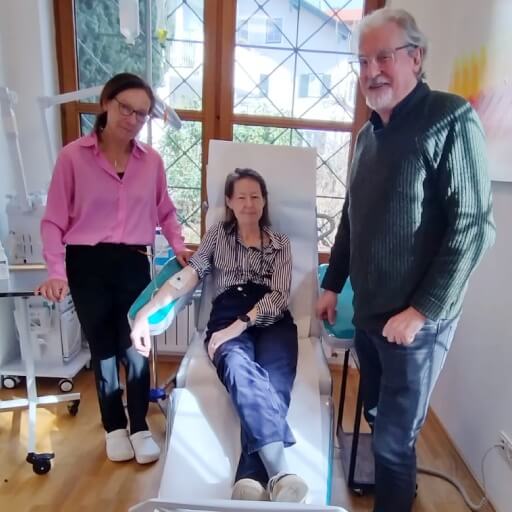
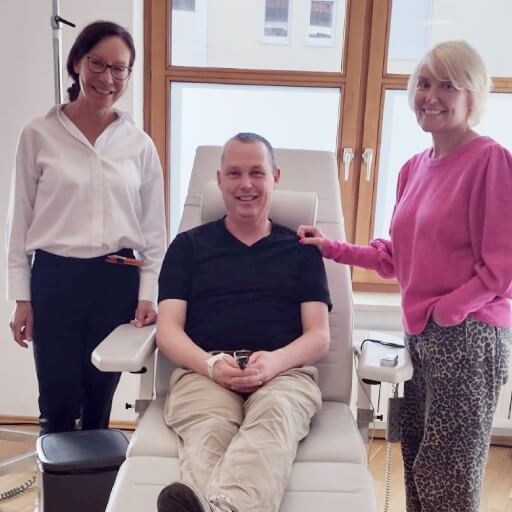
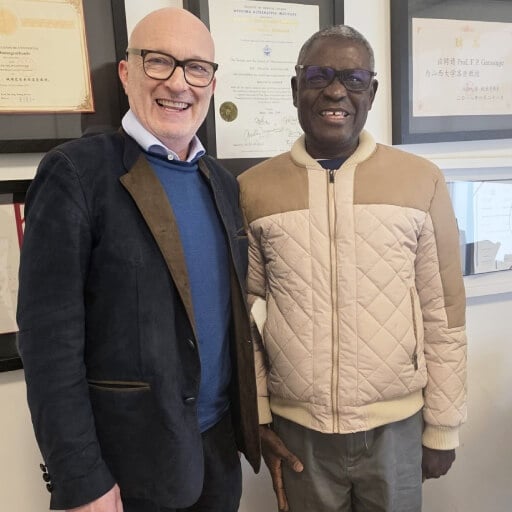
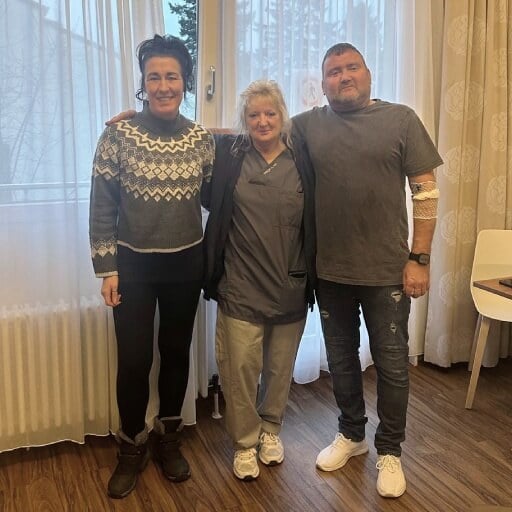
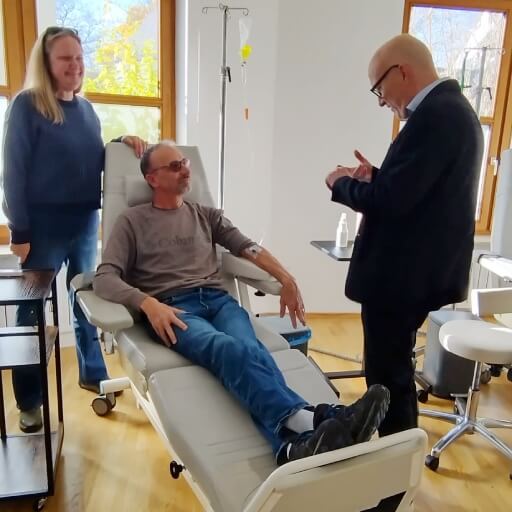
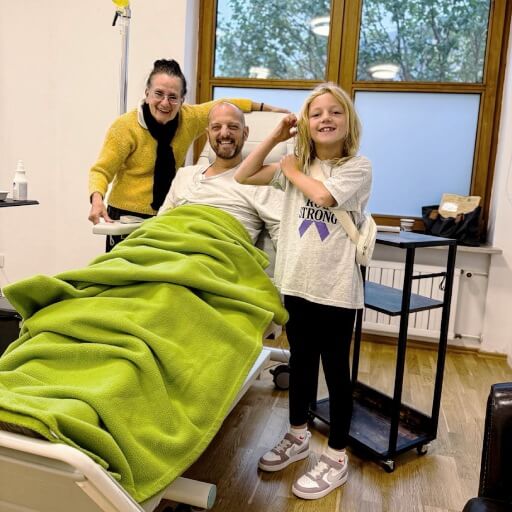
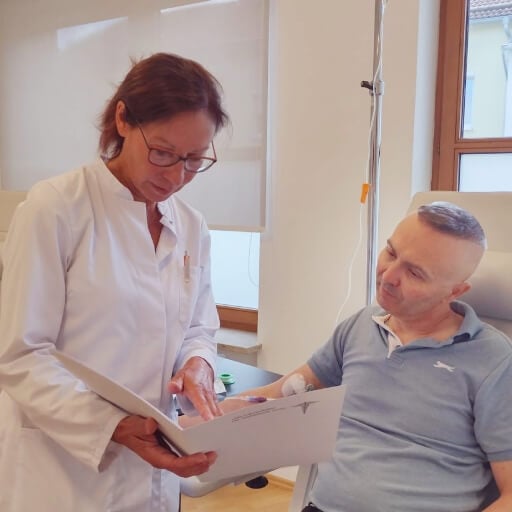
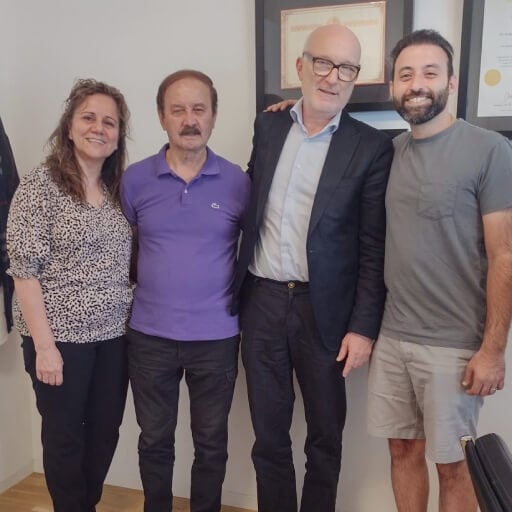
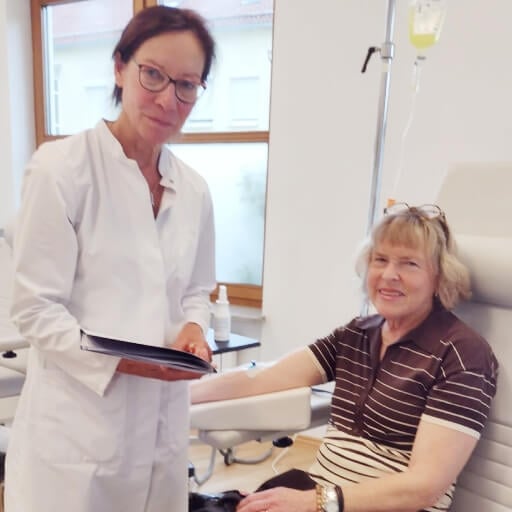
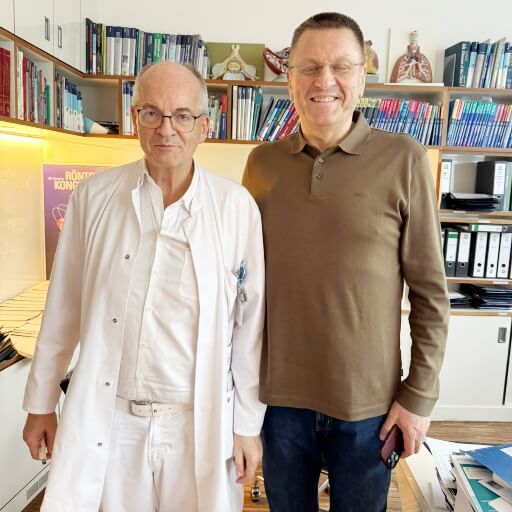
Fighting Cancer Together: Treatment Journeys with Booking Health




Frequently Asked Questions About Best Bowel (Colon) Cancer Treatment in Germany
Send request for treatmentWith the help of Booking Health, you can have a consultation at the top hospitals in Germany. We are here to guide you from the first opinion in the clinic of your choice to further travel arrangements and full support throughout your treatment.
Yes, especially in the early stages. If the chosen treatment is determined with a multidisciplinary approach and tailored specifically to your case, you can achieve long-term remission.
Some of the most common symptoms of colorectal cancer include persistent changes in bowel habits, blood in the stool, abdominal discomfort, weight loss, fatigue, or anemia.
The 5-year survival rate for early-stage bowel tumors is 91,5%, but with the spread of the disease, it can significantly decrease.
Germany offers the most effective and innovative colon cancer treatment available. These include dendritic cell vaccinations, ТАСЕ, PIPAC, HIPEC, and other minimally invasive, highly personalized procedures.
In specialized German hospitals, personalized treatment approaches have significantly improved 5-year survival rates by 45–65% compared with traditional therapies. German oncologists and surgeons see many patients with colorectal cancer each year, working together as a team and often taking part in scientific research.
Germany’s cancer care is recognised among the top in the world, because they provide a high-quality diagnostics, give acces to experienced multidisciplinary teams, and uses modern state-of-the-art therapies. Also, bowel cancer treatment costs are considerably more affordable than in other countries, given the available benefits.
Yes, Booking Health's assistance allows you to receive initial consultations with the best doctors in the field and evaluate your medical reports remotely. This allows you get a preliminary treatment plan and cost estimate before traveling.
Germany is a top destination for international patients seeking innovative treatments and the best patient care. With the help of Booking Health, you can receive support with scheduling, travel logistics, interpretation, visas, and hospital stays.
First, contact Booking Health via their website and discuss the details with their medical coordinator. Your healing journey can begin with a single call and lead to strong positive results.
After contacting Booking Health, your treatment begins after a review of your medical records, pathology reports, imaging, and any previous treatments during the initial consultation with one of the best cancer care providers in Germany.
Yes, in addition to bowel cancer surgery, standard chemotherapy, and immunotherapy, leading hospitals offer new alternative treatments such as dendritic cell vaccinations, ТАСЕ, PIPAC, HIPEC, and other minimally invasive procedures.
The stages of colon cancer are:
- Stage 1. The tumor is located within the intestinal wall.
- Stage 2. The cancer grows out of the bowel into the surrounding tissues.
- Stage 3. The local lymph nodes are involved.
- Stage 4. The tumor metastasizes beyond the abdominal cavity and can grow into the abdominal wall.
Choose treatment abroad and you will for sure get the best results!
Authors:
This article was edited by medical experts, board-certified doctors Dr. Nadezhda Ivanisova, and Dr. Yana Dmytryshyn. For the treatment of the conditions referred to in the article, you must consult a doctor; the information in the article is not intended for self-medication!
Our editorial policy, which details our commitment to accuracy and transparency, is available here. Click this link to review our policies.
Sources:
[1] National Cancer Institute. Cancer Stat Facts: Colorectal Cancer. [NCI]
[2] Baojun Duan, Yaning Zhao, Jun Bai et al. Colorectal Cancer: An Overview. In: Morgado-Diaz JA, editor. Gastrointestinal Cancers [Internet]. Brisbane (AU): Exon Publications; 2022 Sep 30. Chapter 1. [NCBI]
[3] Valeria Tonini, Manuel Zanni. Why is early detection of colon cancer still not possible in 2023? World J Gastroenterol. 2024 Jan 21;30(3):211–224. doi: 10.3748/wjg.v30.i3.211. [DOI] [PMC free article]
[4] Shreya Singh Beniwal, Paula Lamo, Ajeet Kaushik et al. Current Status and Emerging Trends in Colorectal Cancer Screening and Diagnostics. Biosensors 2023, 13(10), 92. doi: 10.3390/bios13100926. [DOI]
[5] Behrouz Heidary, Terry P Phang, Manoj J Raval, Carl J Brown. Transanal endoscopic microsurgery: a review. Can J Surg. 2014 Apr;57(2):127–138. doi: 10.1503/cjs.022412. [DOI] [PMC free article]
[6] Michael Y. Chen, Felicia Zhang, Simon Peter Goedegebuure, William E. Gillanders. Dendritic cell subsets and implications for cancer immunotherapy. Front. Immunol. (2024)15:1393451. doi: 10.3389/fimmu.2024.1393451. [DOI]
[7] B Jansen-Winkeln, J Eberth, Y Moulla et al. Pressurized intraperitoneal aerosol chemotherapy (PIPAC) in patients with peritoneal surface malignancies (PSM): a prospective single-center registry study. J Cancer Res Clin Oncol. 2023 Mar;149(3):1331-1341. doi: 10.1007/s00432-022-04517-w. Epub 2022 Dec 13. [DOI] [PubMed]
[8] Mette Fugleberg Nielsen, Sissel Ravn, Mette Møller Sørensen et al. Recurrence and Survival Following Cytoreductive Surgery and Hyperthermic Intraperitoneal Chemotherapy for Synchronous and Metachronous Peritoneal Metastases of Colorectal Origin. Cancers (Basel). 2024 Feb 1;16(3):631. doi: 10.3390/cancers16030631. [DOI] [PubMed]
[9] Mehdi Karimi, Niyousha Shirsalimi, Eshagh Sedighi. Challenges following CRS and HIPEC surgery in cancer patients with peritoneal metastasis: a comprehensive review of clinical outcomes. Front. Surg. (2024) 11:1498529. doi: 10.3389/fsurg.2024.1498529. [DOI]
[10] Joao Manzi, Camilla O Hoff, Raphaella Ferreira et al. Targeted Therapies in Colorectal Cancer: Recent Advances in Biomarkers, Landmark Trials, and Future Perspectives. Cancers (Basel). 2023 Jun 1;15(11):3023. doi: 10.3390/cancers15113023. [DOI] [PMC free article]
Read:
Comprehensive Guide to Colon Cancer Treatment: New and Standard Treatment Options for Bowel Cancer
Colon Cancer Stage 4: Full 4 Stage Bowel Cancer Treatments Guide
Dendritic Cell Therapy for Colon Cancer Treatment in Germany