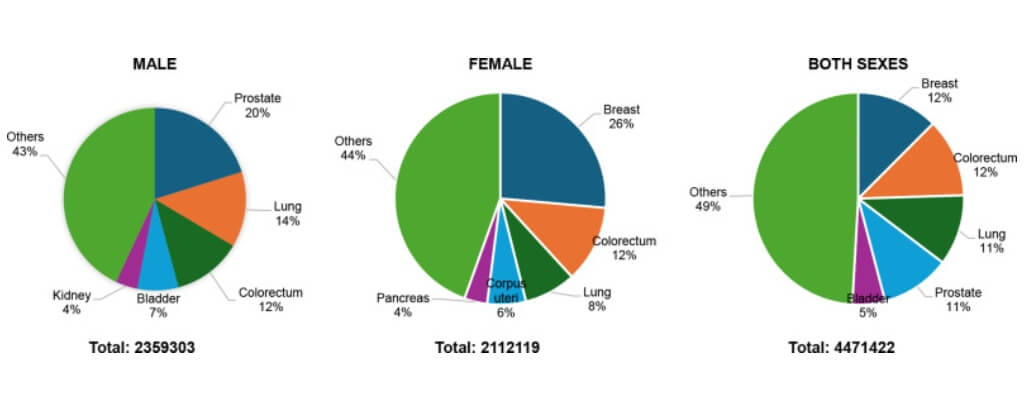
Cancer remains too common across Europe. In 2022 alone, there were approximately 4.47 million new cancer diagnoses – that's nearly one in four people up to age 75 developing cancer in their lifetime [1]. Oncological diseases are the second leading cause of death in the world after cardiovascular disease, and their prevalence continues to rise. At the same time, treatment effectiveness is improved through a deeper understanding of tumor biology, the development of modern diagnostics, and personalized therapeutic strategies. Active participation of the patient in the treatment process increases adherence to therapy and has a positive effect on the quality of life. However, it is this involvement, together with a lot of open information, that often prompts people to look for cancer alternative treatments that are not always scientifically proven [2].
In this article, we will consider proven alternative cancer treatment. Europe has such clinics, which use methods that have a scientific basis and often become the choice of our patients. In combination with standard therapy, they can improve the tolerability of treatment, strengthen its effectiveness, and in some cases contribute to the achievement of long-term remission or even complete recovery.
Top 5 most frequent cancers in 2022, all sexes, all over Europe [1]
Integration of innovative approaches into modern oncology practice
When we talk about alternative treatments for cancer, it is important to clearly distinguish between unproven practices and innovative approaches that already have a scientific basis. In developed countries, such methods have been used for many years within a controlled medical system, under the supervision of multidisciplinary teams and in compliance with safety standards.
These are modern technologies – local ablation techniques, individualized immunotherapeutic strategies, cellular approaches, regional chemotherapy, hyperthermia, and other treatment options that have already demonstrated effectiveness. These are the approaches often offered by leading alternative cancer clinics, where innovation is integrated into comprehensive oncology care rather than replacing standard care.
In particular, alternative treatment for cancer other than chemo often includes methods available in specialized centers of high expertise. They can be used as a supplement to basic therapy or in situations where standard options have already been exhausted. Although these methods are not yet fully integrated into international guidelines, their use is based on scientific evidence, clinical experience, and careful patient selection.
That careful patient selection is the clinical precondition that separates effective use of these methods from inappropriate use. A patient who qualifies for dendritic cell vaccination after surgical resection is not the same patient who qualifies for HIPEC with peritoneal disease, and neither profile automatically qualifies for regional chemotherapy.
With over 20 years of experience in international oncology coordination, Booking Health's medical team conducts the case-specific eligibility review that determines which of these methods a patient's diagnosis, molecular profile, and treatment history actually support — before any program is proposed.
Alternative medicine for cancer treatment at stages I-II and at the advanced stages applies different principles to conventional therapeutic approaches.
Here are some of the distinctive features it offers:
All procedures are safe. Treatment procedures should not pose any risk to the patient’s health. Methods of alternative medicine can never deteriorate a patient's health status or cause the development of side effects. Patients tolerate the treatment well. This means that even when it comes to alternative treatments for cancer in Germany, they undergo clinical evaluation, have a well-founded mechanism of action, and are used under medical supervision.
Treatment influences the body, but not the disease. The doctors who adhere to the principles of alternative medicine treat not the cancer, but the person. The treatment aims to heal the body rather than suppress the symptoms of the pathological process. This approach is often integrated into complementary medicine for cancer programs, where the main therapy is complemented by methods of maintaining the immune system, metabolic balance, and quality of life of the patient.
Use of the forces of the body. The treatment aims to maximally involve the body’s own resources. The doctors activate its capabilities and protect the body against adverse effects. An active interaction between the doctor and the patient can result in self-healing. In clinical oncology, this is transformed into the use of immunoactivating, cellular, and regional methods, which today are considered alternative cancer treatments that work, as they have scientific confirmation of effectiveness in certain clinical scenarios.
Thus, current alternative principles do not negate standard treatment, but expand its possibilities, especially in cases of tumor resistance or limited therapeutic options [3].
Comparison of standard and innovative treatment methods
Standard method
Innovative method
What is the key difference?
When is it appropriate to consider an innovative method?
Surgery removes the tumor mechanically; HIPEC adds local hot chemotherapy directly into the abdomen to kill micrometastases
In peritoneal carcinomatosis; a high risk of recurrence after surgery
Systemic chemotherapy
Regional chemotherapy
Systemic therapy affects the whole body; regional therapy creates a high concentration of the drug in a specific area with a lower systemic toxic load
When it is necessary to strengthen local control with a limited metastatic process
Systemic chemotherapy
TACE (transarterial chemoembolization)
Chemotherapy circulates in the bloodstream; TACE blocks tumor vessels and simultaneously delivers the drug directly into the tumor
Preferably in liver tumors or liver metastases
Radiation therapy
Electrochemotherapy
Radiation therapy uses ionizing radiation; electrochemotherapy increases the permeability of tumor cells to cytostatics with the help of electroporation
In skin, subcutaneous or local relapses, when it is important to minimize exposure
Immunotherapy
Dendritic cell vaccines
Immunotherapy removes "brakes" from the immune system; dendritic vaccines form a personalized antitumor immune response
In cases of resistance or for an individualized immune approach
The "when is it appropriate" column in that table is the starting point for a clinical decision. Not the conclusion.
Knowing that HIPEC is indicated in peritoneal carcinomatosis does not tell a patient whether their peritoneal carcinomatosis index, surgical history, and organ function make them a candidate for the procedure—or whether PIPAC is the more appropriate first step.
Booking Health's physicians review each patient's imaging, pathology, and prior treatment history against the specific eligibility criteria of each method before recommending one, because the right category of treatment and the right treatment for a specific case are two different determinations.
The place of alternative methods in modern oncological therapy
In the structure of modern oncological care, alternative methods occupy not a peripheral, but an auxiliary and strategically important place. Cancer is a chronic systemic disease with a multifactorial nature, and its treatment is often accompanied by symptoms that significantly affect the patient's quality of life and ability to complete core therapy.
It is in this context that alternative cancer therapy is integrated into standard protocols as part of a comprehensive approach. The concept of holistic oncology allows doctors to expand the focus from the tumor itself to the entire body, including maintaining the immune system, correcting lifestyle, and controlling the side effects of treatment.
In leading centers, particularly in the best alternative cancer treatment clinics, alternative methods are considered as a tool for optimizing the results; they do not replace classic approaches, but complement them, increasing the tolerability of therapy and the patient's involvement in the recovery process [4].
In some patients, alternative approaches become an important element of complex therapy not because they replace standard methods, but because they allow for reducing physical injuries, cosmetic defects, and a decrease in the quality of life.
Alternative methods are usually considered in the following situations:
When standard treatment is poorly tolerated or has significant side effects.
When there are contraindications to surgery or aggressive treatment (associated diseases, high anesthetic risk, impossibility of repeated operation).In patients with local breast cancer recurrences, less invasive local techniques may be used, avoiding significant tissue resection volume and additional cosmetic defects.
When the patient strives to preserve appearance and functionality.High risk of postoperative defects, psychoemotional significance of the anatomical zone (mammary gland, face, neck). In head and neck cancer, alternative supplemental programs may contribute to the maintenance of tissue regeneration and the reduction of the duration of the recovery period.
Today, many patients are considering alternative cancer treatment abroad, particularly in countries with a developed system of integrative oncology. The top alternative cancer treatments are used in leading centers, which are combined with standard therapy and are aimed at preserving the quality of life.
An important factor for international patients is also the transparency of planning, including the issue of alternative treatment for cancer. Cost in Germany is determined individually depending on the chosen method.
Alternative Cancer Treatment Abroad in Europe: Why Patients Choose Germany
Germany uses many alternative cancer treatments. Based on the stage, localization, status, and age of the patient, as well as the results of laboratory and instrumental examinations, the doctor determines the volume of necessary manipulations for each patient individually.
In the leading alternative cancer treatment centers of Germany, innovative approaches are used, which are included in the integrative cancer treatment programs and are implemented in the conditions of the integrative oncology clinic.
Alternative cancer treatments:
Insulin-enhanced therapy combined with conventional chemotherapy. A lower rate of side effects and a higher efficiency of cytotoxic drugs distinguish this treatment from conventional chemotherapy.
Photodynamic laser therapy. This is one of the most advanced and promising treatment methods, and another cancer treatment alternative. The therapy involves the injection of photosensitizers, which accumulate in cancer cells. Then, the body is exposed to light, and the cells are destroyed.
Galvanotherapy. This is also known as transcutaneous electrochemical cancer therapy. The body is exposed to a weak electric current. Since cancer cells have a higher conductivity than healthy ones, the former die.
Biological therapy. This therapy involves the use of the very latest biological drugs, many of which are developed in Germany. These drugs are unique because of their natural origin.
Alternative infusion immunotherapy. A comprehensive approach combining various therapeutic infusions like artesunate, vitamin C, curcumin, and other natural compounds. These specially developed solutions target cancer cells while supporting the immune system and minimizing side effects.
Treatment of cancer with hyperthermia. When the temperature exceeds 40 degrees, the enzymes that restore cancer cells after chemotherapy and radiation therapy become blocked. Hyperthermia can be general and local.
The most advanced blood purification techniques. German clinics use apheresis, which filters the blood serum and takes toxic compounds out of it. This technique is more progressive than dialysis, and the patient can tolerate it better.
Regenerative therapy. This aims to activate the body’s own resources for it to fight against cancer or any other disease.
Efficacy should be evaluated according to clinical data, and alternative cancer treatments that work are methods with proven effectiveness.
Effectiveness of Cancer Treatment Methods in Germany
*Booking Health data. Success rates vary depending on cancer type, stage, and individual patient factors. These rates represent improved outcomes when combined with conventional treatments compared to conventional treatments alone.
Treatment Method
Success Rate*
Photodynamic laser therapy
up to 72%
Hyperthermia combined with conventional therapy
up to 80%
Dendritic cell treatment
up to 85%
Insulin-enhanced therapy
up to 75%
Galvanotherapy
up to 65%
Those figures represent outcomes in patients who were correctly matched to each method — the right diagnosis, the right stage, the right combination with concurrent therapy.
When Booking Health's medical team receives an inquiry, the first task is not selecting a center but determining which of these approaches a patient's specific tumor biology and treatment history actually support.
That determination is made by a physician who responds within 24 hours — not a coordinator relaying options, but a clinician who can assess whether a patient's profile meets the clinical conditions behind the table's numbers.
Complementary cancer treatment in Germany combines evidence-based adjunctive methods with standard therapy to reduce side effects, support the immune system, and improve the patient's quality of life. That is why people from different countries choose alternative treatments for cancer patients in Germany – not for the sake of experiments, but for the sake of a combination of innovation, evidence, and high safety standards.
A study conducted at Charité – Universitätsmedizin Berlin found that about 50% of cancer patients use complementary and alternative medicine (CAM) methods, and in a separate sample, even 88.3% had experience using them before or after diagnosis. More than 60% of patients started using such approaches already after the diagnosis of cancer [5].
These figures show an important trend: people actively seek alternative treatments for cancer patients, trying to reduce the side effects of therapy, support the immune system, and improve the quality of life.
The effectiveness of cancer treatment methods in Germany is enhanced by the usage of complementary cancer treatment. Germany integrates these approaches in a controlled manner alongside standard therapy to improve outcomes. Germany has official resources, including S3 guidelines in oncology, the Memorial Sloan Kettering database, and the KOKON network, which provide evidence-based information for doctors and patients.
Patients often consider alternative cancer treatment. Germany offers such approaches within regulated clinical cases, ensuring safety. Here, alternative approaches are not applied in isolation and are not a substitute for standard treatment. They are integrated into the structure of cancer treatment in Germany, alternative format, under the supervision of an oncologist, taking into account possible interactions and individual clinical parameters.
Special emphasis is placed on safe, supportive, and so-called non-toxic cancer treatment approaches, which are aimed at:
Reduction of side effects of chemotherapy and radiation therapy
Quality of life support
Improvement of the psycho-emotional state
Increasing adherence to mainstream treatment
The German model of integrative oncology is based on ethical control, research, and standardized questionnaires that allow systematic evaluation of the use of CAM in routine practice. This approach minimizes risks and makes alternative methods part of a safe, science-based treatment strategy [5].
What Innovative Methods are Applied For Cancer Treatment in Germany?
Germany is rightfully considered one of the leaders of European oncology and is often considered the best country for alternative cancer treatment thanks to a combination of evidence-based medicine, innovative technologies, and strict quality control. Modern cellular, immunoactivating, and regional methods are implemented here, supplementing standard treatment protocols.
Modern cancer care in Germany goes far beyond conventional medicine. Local cancer centers actively combine traditional medicine with integrative therapies, creating treatment programs that not only treat cancer but also support the immune system, reduce symptoms, and improve long-term outcomes. For many patients, especially those with advanced cancer, such integrative therapies open access to complementary and alternative methods that enhance conventional cancer treatments and contribute to a better quality of life.
Special attention is paid to patients with advanced forms of the disease, where alternative stage 4 cancer treatments – individualized strategies are used to improve local tumor control, reduce symptoms, and maintain quality of life. Innovative approaches are integrated into comprehensive therapy and selected by a multidisciplinary team, taking into account the clinical situation of each patient.
DCT (Dendritic Cell Vaccination) For Cancer Treatment
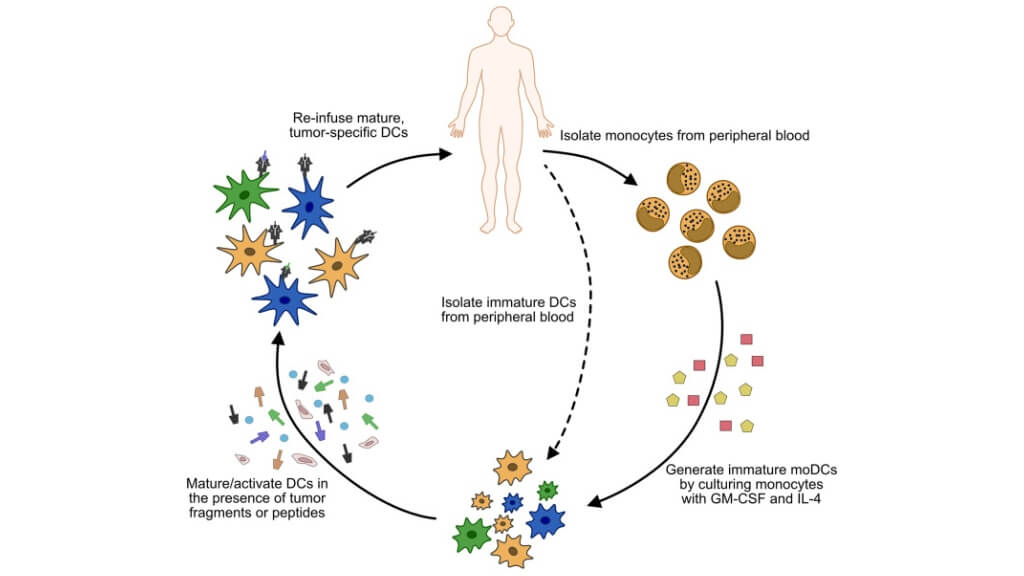
One of the most groundbreaking directions in immunotherapy is the use of dendritic cells. These unique immune system cells act as "sentinels" that detect abnormal proteins on the surface of tumor cells and present them to T-lymphocytes, effectively teaching the immune system to recognize and attack the malignancy. This approach falls into the category of non toxic cancer treatment, as it does not have the typical chemotherapy systemic toxicity – hair loss, severe nausea, or bone marrow suppression. That is why it is often considered part of the holistic cancer treatment, where the treatment is aimed not only at the tumor, but also at maintaining and activating the body's natural resources.
In lung cancer, it can enhance the effect of immunotherapy and help the immune system respond better to the tumor.
In patients with breast cancer, especially in aggressive subtypes, dendritic vaccines can stimulate a specific T-cell response against tumor cells.
In melanoma, this method shows better results in combination with modern immune drugs.
It is also studied in colorectal cancer, hepatocellular carcinoma, and pancreatic cancer, where it is necessary to overcome the immune "silence" of the tumor [6].
German specialists restore this process by isolating a patient’s own precursor cells from the blood, maturing them into dendritic cells in the laboratory, and then loading them with tumor-specific antigens. Once reintroduced into the body, these personalized vaccines stimulate a targeted immune response that conventional cancer treatments cannot always achieve on their own. The importance of dendritic cells in regulating immunity was recognized at the highest level when scientists exploring their role in adaptive immunity were awarded the Nobel Prize in Physiology or Medicine [7].
More details about the practical experience of applying this method can be found in an interview with prof. Gansauge, where he explains the principles of dendritic vaccines and their place in modern integrative oncology.
For patients who have received multiple chemotherapy cycles before reaching this point, the practical question before booking dendritic cell vaccination is whether sufficient viable monocytes remain in the blood to yield a therapeutically effective vaccine preparation.
Booking Health's pre-treatment case review assesses this — and where immune function is compromised, identifies whether the center's protocol includes measures to optimize monocyte yield before harvest. That single question can determine whether the trip produces a treatment or an attempt.
Electrochemotherapy is a method of topical treatment of tumors that combines the administration of an antitumor drug with short electrical impulses. The pulses temporarily open the cell membrane (electroporation), which allows the drug to penetrate inside the tumor cell and significantly increase its effect without increasing the systemic dose.
Thanks to this, the cytotoxicity of drugs increases many times, and the treatment remains local with minimal load on the body. The method also helps to temporarily reduce blood flow in the tumor, which helps to keep the drug in the affected area [8].
Electrochemotherapy is used for skin and subcutaneous metastases, relapses of breast cancer, melanoma, and head and neck tumors. It is considered part of complex therapy in German integral cancer clinics.
More details on the mechanism of action and clinical experience with the method can be read in an interview with Prof. Dr. Kovács, where the professor explains how electroporation enhances the anticancer effects of drugs and expands the possibilities of local tumor control.
HIPEC (Hyperthermic Intraperitoneal Chemotherapy) For Cancer Treatment
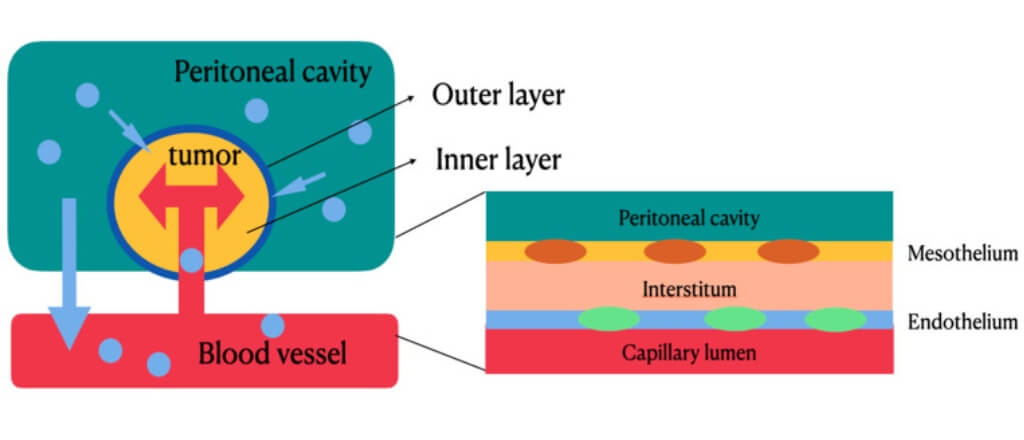
HIPEC is considered one of the most advanced approaches for tumors that spread within the abdominal cavity. After surgeons carefully remove visible tumor deposits, a heated chemotherapy solution is circulated directly inside the peritoneum. Raising the temperature to about 42 °C damages the protective mechanisms of cancer cells, making them more vulnerable to cytotoxic drugs. At the same time, high local concentrations of chemotherapy penetrate deeply into tissues, far beyond what can be achieved through systemic infusion, while sparing the rest of the body from unnecessary toxicity.
This dual action – thermal damage combined with enhanced drug absorption – allows HIPEC to control advanced cancer forms such as ovarian, gastric, and colorectal carcinomas. For many cancer patients, especially those with limited options after conventional cancer treatments, HIPEC provides a real chance to improve treatment outcomes and prolong remission. German cancer centers integrate this method into comprehensive treatment programs, combining it with traditional therapy, integrative health support, and complementary and alternative measures to restore strength and quality of life.
HIPEC is a complex, highly specialized procedure that requires careful patient selection, an experienced surgical team, and clearly constructed postoperative follow-up. That is why it is important to understand not only the mechanism of the method, but also the indications, risks, and factors affecting its success. Dr. Lipp tells more about how HIPEC is conducted and what results have been achieved in recent years.
HIPEC's requirement for careful patient selection is not procedural caution — it is a clinical precondition that determines whether the survival benefit the literature describes is accessible to a specific patient. Peritoneal carcinomatosis index, extent of prior surgery, and current performance status all factor into eligibility.
Booking Health conducts that eligibility assessment against the published criteria of the specific German center before travel is arranged — because a patient who arrives expecting HIPEC and is found ineligible has lost time that peritoneal disease cannot return.
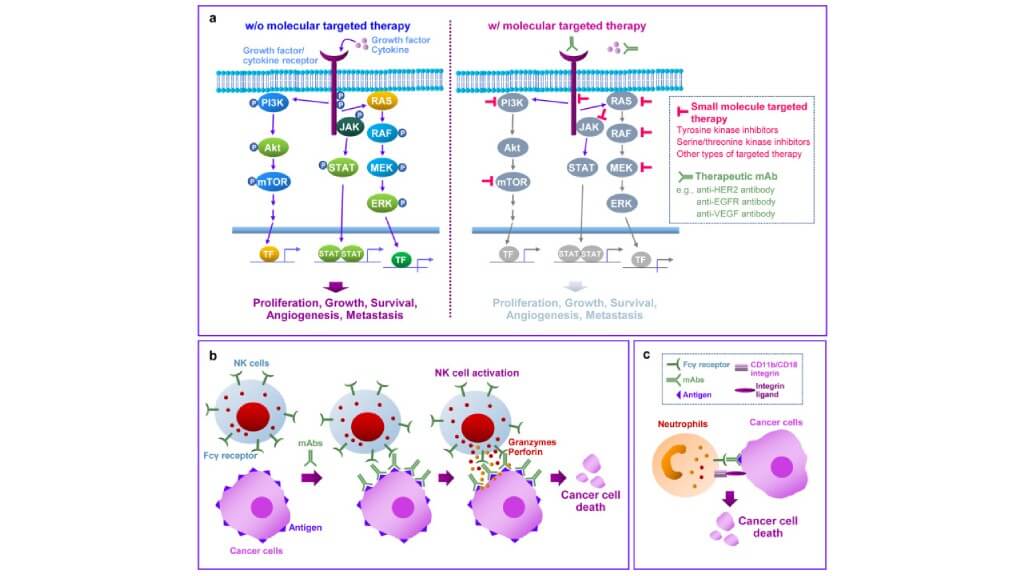
Unlike conventional chemotherapy, which affects all rapidly dividing cells, targeted therapy is designed to interrupt the precise molecular pathways that allow cancer to grow and spread. Many tumors – including breast cancer and lung cancer – depend on specific mutations or receptor activity to survive. By blocking these "drivers", targeted drugs effectively deprive the tumor of vital resources while leaving healthy tissue largely unaffected.
In German oncology, targeted therapy is guided by advanced cancer diagnosis techniques, including genetic profiling and biomarker testing. This allows oncologists to match each patient with the drug most likely to be effective for their particular tumor biology. As a result, treatment programs become more individualized and less toxic. For patients with early-stage cancer, targeted therapy may prevent recurrence after surgery, while for those with advanced cancer, it often transforms the disease into a manageable chronic condition. This shift not only improves cancer outcomes but also enhances overall quality of life compared to conventional medicine alone.
Mechanism of the anticancer effect of molecular targeted therapy [12]
Such technologies are considered part of alternative cancer treatments to chemotherapy, as they can complement or partially replace classic cytotoxic schemes. Being a useful part of cancer treatment, Germany alternative programs are actively integrated into personalized treatment strategies, where the choice of drug is based on the molecular characteristics of a specific tumor.
TACE (Transarterial Chemoembolization) For Cancer Treatment
TACE is a minimally invasive procedure, especially effective for liver cancer and metastases. Its principle is based on exploiting the tumor’s blood supply. A catheter is threaded through the arteries directly to the vessels feeding the tumor. Then, chemotherapy is delivered in a concentrated dose, followed by embolic particles that block blood flow. The result is a double strike: the tumor is both starved of oxygen and nutrients, and at the same time exposed to high local concentrations of cytotoxic agents.
Healthy liver tissue, with its rich collateral blood supply, continues to receive oxygen, which makes TACE selective for malignant nodules. This approach is often used for patients with advanced cancer who cannot undergo surgery, and it has become a part of integrative oncology in Germany. In cancer centers, TACE is frequently combined with complementary and alternative therapies as well as systemic treatments, allowing patients to achieve remission, control cancer symptoms, and maintain health despite complex oncological diseases.
Through accurate planning with CT, MRI, and angiography, and in combination with ablation procedures and systemic therapy, TACE is able to significantly improve patient survival and quality of life. Prof. Dr. Attila Kovács, head of the interventional radiology department with more than 26 years of experience in the field of minimally invasive procedures and one of the leading experts in interventional oncology, tells more about the possibilities of TACE and modern interventional techniques.
Regional chemotherapy is a treatment method in which an anticancer drug is injected directly into the artery that feeds the tumor, rather than intravenously into the general bloodstream. This approach makes it possible to achieve a much higher concentration of drugs in the tumor zone with a much lower systemic load on the body. It was this concept that Professor Aigner actively developed in his investigations, demonstrating the possibility of increasing the local antitumor effect without increasing the overall toxicity.
It is shown that short-term intraarterial infusion (5-12 minutes) ensures optimal exposure of the drug in tumor tissue. The additional use of chemofiltration or isolated perfusion techniques allows doctors to further increase the local concentration of the drug, maintaining a low level in healthy tissues [9].
Regional chemotherapy is considered an alternative to cancer treatment – a way to strengthen local tumor control and reduce systemic side effects, preserving the patient's quality of life. In selected clinical situations patients may benefit from such cancer alternative treatment. Germany provides such approaches most often as a part of integrative strategy.
For patients whose cancer has progressed through standard chemotherapy, regional delivery via isolated perfusion represents a genuinely different pharmacological strategy — not a stronger version of what failed, but a fundamentally different mechanism of drug delivery.
The inter-cycle coordination this multi-session approach requires for international patients — scheduling return visits, relaying imaging assessments between cycles to the medical team, confirming that the next perfusion is proceeding on current rather than outdated clinical data — is handled by Booking Health's personal coordinator throughout the treatment course.
The cost of alternative cancer treatments in Germany
The cost of alternative cancer treatment methods in Germany is formed individually and depends on the patient's clinical situation. Alternative cancer treatment cost is affected by the stage of the disease, the duration of the program, the number and type of selected methods, as well as the level of the medical center. In most cases, treatment is carried out in the oncology clinic, where alternative approaches are combined with standard therapy, which is also taken into account when calculating the budget.
Within the context of alternative cancer treatments, Europe programs propose personalized strategies – from local interventional procedures to cellular and immunotherapeutic methods. It is the comprehensiveness of the approach and the need for interdisciplinary planning that determine the final cost.
To draw up an individual treatment program and get an accurate calculation of the cost in your case, leave a request on our website, and our specialists will prepare a personalized plan with a detailed estimate.
Below is a comparative table of the cost of alternative cancer treatments in different countries. The cost may vary depending on the clinic, the complexity of the clinical case, the duration of the program, and the combination of methods within the individual treatment protocol. The table will help you navigate the order of expenses.
Alternative cancer treatment costs in different countries
Type of Treatment
Germany
USA
UK
Canada
Australia
Dendritic cell therapy
€20,000 – €38,000
€100,000 – €150,000
Not available
€465,000 – €665,000
Not available
Electrochemotherapy
€6,500 – €24,000 per session
€25,000 – €45,000
€40,000 – €100,000
€10,000 – €50,000 per session
Not available
HIPEC
€55,000 – €75,000
€112,000 – €150,000
€83,000 – €118,000
around €100,000 per session
up to €135,000
Targeted therapy
€375,000 – €420,000 for the full course
€600,000 – €1,000,000 for the full course
€400,000 – €500,000 for the full course
€5,000 – €30,000 per session
€80,000 – €90,000 per session
TACE
€6,500 – €24,000 per session
€25,000 – €45,000
€40,000 – €100,000
€30,000 – €40,000
up to €20,000
Regional chemotherapy
€6,500 – €24,000
€40,000 – €100,000
€25,000 – €45,000
€10,000 – €65,000
€30,000 – €80,000
Dendritic cell therapy is not available in the UK or Australia at any price — making Germany the only access point for patients in those countries, not a cheaper alternative. Electrochemotherapy is similarly unavailable in Australia.
Patients coordinating through Booking Health reach Germany's published rates without the foreign patient surcharge that clinics apply to self-referred international cases.
A fully itemized budget is provided before any commitment is made, with strict invoice control and return of unspent funds, backed by complication insurance covering up to €200,000.
Integrative and Holistic Cancer Treatment in Germany for International Patients (Europe)
Today's oncology is increasingly based on an integrative approach where protocol therapies are combined with evidence-based alternatives and holistic strategies. It is not a question of replacing standard therapy, but of expanding it: surgery, chemotherapy, targeted and immune drugs are complemented by supportive programmes including alternative IV cancer treatments, immunoactivating technologies, and personalized rehabilitation protocols. This approach allows to reduce toxicity, supports the immune system, and improves the quality of life of the patient during treatment.
In the leading centers of Germany, the integrative model is implemented in the conditions of the holistic cancer clinic, where the patient is considered as a complete system. The concept of holistic oncology combines molecular diagnostics, protocol treatment, evidence-based alternative treatments to cancer, nutritional support, psycho-emotional support, and recovery programs. It is this multi-level strategy that forms the basis of holistic cancer treatment, aimed not only at tumor control, but also at preserving functionality and long-term remission.
An example of the effectiveness of an integrative approach is the story of Daria Rogers, who encountered glioblastoma multiforme – an aggressive form of brain cancer. Together with her husband Maurice, she chose treatment in Germany, where standard methods were supplemented with dendritic cell therapy and other elements of a comprehensive program. In their case, the combination of protocol therapy with immuno-oriented and holistic methods led to a recovery, which became an example of how integrative oncology can change the prognosis even with complex diagnoses.
Daria talks more about her way of dealing with glioblastoma multiforme in a separate interview. She shares the history of diagnosis, the decision to seek treatment abroad, the discovery of dendritic cell therapy, and the experience of organizing treatment in Germany with the support of Booking Health. In the conversation, Daria also explains how the procedure went, why she considers dendritic therapy to be the key factor in her recovery, and appeals to other patients not to lose hope and act as early as possible.
Daria's appeal to act early is clinically grounded, not motivational. For dendritic cell vaccination specifically, the immune environment is most receptive in the weeks immediately following surgical resection — before radiation and chemotherapy have further suppressed the immune cell populations the vaccine needs. Booking Health coordinates documentation, clinic scheduling, visa support, travel, and accommodation in parallel rather than sequentially, which is what allowed Daria's family to reach LDG Laboratories within weeks of surgery rather than months. For a therapy whose effectiveness depends on when it is delivered, that coordination speed is a clinical advantage.
Top Cancer Centers in Germany
German medical centers have established an outstanding reputation in alternative cancer treatments, combining centuries of medical tradition with cutting-edge innovations. Their success rates in treating complex oncological cases using integrative approaches have attracted patients worldwide. Here are some of the leading centers specializing in alternative cancer treatments. It is important to note that alternative treatments in Germany are offered both in large university clinics and in specialized private medical centers. Regardless of the format of the institution, the application of innovative methods is clearly regulated by national standards and is under strict quality control.
LDG Laboratories Dr. Gansauge Berg
The LDG Laboratories Dr. Gansauge Berg is the top healthcare facility for immunotherapy using dendritic cells. This clinic specializes in using the innovative LANEX-DC® method. It is one of the few clinics in Europe with specialists who have unique competencies and skills in using dendritic cells. Availability of this treatment is limited even in developed countries due to its innovative nature. Over 2,500 procedures of LANEX-DC® dendritic cell immunotherapy have been conducted at LDG Laboratories Dr. Gansauge Berg, with positive outcomes even in advanced stages of cancer. This type of therapy has minimal side effects and is administered on an outpatient basis.
University Hospital Rechts der Isar Munich
The University Hospital Rechts der Isar Munich is one of Germany’s leading centers for oncology. Its Cancer Center integrates advanced surgical oncology, modern radiotherapy, innovative chemotherapy protocols, and novel targeted therapies. Interdisciplinary tumor boards ensure that each patient receives an individualized treatment plan based on international standards and the newest scientific evidence. As a university hospital, it combines cutting-edge research with high-quality clinical practice, making it a trusted destination for patients seeking advanced cancer care in Germany.
Asklepios Hospital Barmbek Hamburg
The Asklepios Hospital Barmbek Hamburg has gained recognition for its comprehensive approach to cancer treatment. The hospital's oncology department offers various alternative therapies, including hyperthermia and biological response modification. Their specialists have particular expertise in combining conventional and alternative methods to achieve optimal treatment outcomes.
Clinic of Advanced Biological Medicine Frankfurt-am-Main
The Clinic of Advanced Biological Medicine Frankfurt-am-Main offers a full range of alternative cancer treatments. More than 40 years of experience in the field of biological therapy and naturopathy allow the medical team to combine conventional cancer treatments with methods of integrative medicine. Alternative therapies increase the effectiveness of chemotherapy, make it easier for the patient to tolerate the main course of treatment, and achieve a more stable remission. The leading specialist of the clinic, Doctor of Medicine Gerhard Siebenhüner, is a member of the German Cancer Society, the European Society of Integrative Medicine, the Society for Biological Cancer Prevention, and other specialized organizations.
Hyperthermia Center Hannover
The Hyperthermia Center Hannover is renowned for its expertise in thermal therapy treatments. The center has successfully treated numerous cancer patients using advanced hyperthermia techniques in combination with other alternative methods. Their specialized team has developed unique protocols for various types of cancer, achieving significant results, particularly in cases resistant to conventional treatments.
Thus, patients have the opportunity to choose between different types of clinics, gaining access to innovative but controlled and science-based approaches within the German healthcare system.
Those five centers are not interchangeable. LDG Laboratories leads in DC vaccination volume — over 2,500 LANEX-DC procedures — which is the specific metric that predicts vaccine preparation quality and clinical protocol depth. Rechts der Isar leads in surgical oncology with research integration. Frankfurt's Clinic of Advanced Biological Medicine leads in integrative infusion and biological support programs. Asklepios Barmbek leads in HIPEC and regional chemotherapy volume. Hannover leads in hyperthermia protocols.
Booking Health's physician-level case matching identifies which center's documented procedural strengths most directly correspond to what a specific patient's clinical situation requires — because general institutional reputation and the right match for a specific integrative program are not the same determination.
A Medical Journey: Every Step of the Way With Booking Health
Finding the best treatment strategy for your clinical situation is a challenging task. Being already exhausted from multiple treatment sessions, having consulted numerous specialists, and having tried various therapeutic interventions, you may be lost in all the information given by the doctors. In such a situation, it is easy to choose a first-hand option or to follow standardized therapeutic protocols with a long list of adverse effects instead of selecting highly specialized innovative treatment options.
To make an informed choice and get a personalized cancer management plan, which will be tailored to your specific clinical situation, consult medical experts at Booking Health. Being at the forefront of offering the latest medical innovations for already 12 years, Booking Health possesses solid expertise in creating complex cancer management programs in each case. As a reputable company, Booking Health offers personalized treatment plans with direct clinic booking and full support at every stage, from organizational processes to assistance during treatment.
We provide:
Assessment and analysis of medical reports
Development of the medical care program
Selection of a suitable treatment location
Preparation of medical documents and forwarding to a suitable clinic
Preparatory consultations with clinicians for the development of medical care programs
Expert advice during the hospital stay
Follow-up care after the patient returns to their native country after completing the medical care program
Taking care of formalities as part of the preparation for the medical care program
Coordination and organization of the patient's stay in a foreign country
Assistance with visas and tickets
A personal coordinator and interpreter with 24/7 support
Transparent budgeting with no hidden costs
Health is an invaluable aspect of our lives. Delegating management of something so fragile yet precious should be done only to experts with proven experience and a reputation. Booking Health is a trustworthy partner who assists you on the way of pursuing stronger health and a better quality of life. Contact our medical consultant to learn more about the possibilities of personalized treatment with innovative methods for different types of cancer with leading specialists in this field.
Modern Cancer Treatment: Patient Journeys with Booking Health
Tommy G. (Ireland), April 2026
Sarah M. (United Kingdom), April 2026
Diane O. (United Kingdom), March 2026
Faeqa M. (Bahrain), March 2026
Paul K. (United Kingdom), February 2026
Jared Todd M. (USA), February 2026
Emmanuel K. (USA), January 2026
Peter H. (United Kingdom), January 2026
Patrick D. (Ireland), December 2025
Ronald C. (Canada), November 2025
Monica A. (Croatia), October 2025
Robert B. (USA), September 2025
David D. (United Kingdom), September 2025
Sargon B. (USA), August 2025
Amanda Louise C. (Australia), July 2025
Frequently Asked Questions About Alternative Cancer Treatments in Germany
What are alternative treatments for cancer?
Alternative cancer treatments are approaches that currently lack evidence and are not approved as standard cancer treatments yet. These may include blood purification techniques, insulin-enhanced therapy, galvanotherapy, photodynamic laser therapy, and biological therapy.
Are alternative cancer treatments effective in curing cancer?
There is no reliable scientific evidence to date that alternative treatments can cure cancer. Some of them can help manage symptoms and improve well-being. However, these methods should be used alongside conventional therapies such as surgery, chemotherapy, or radiation, rather than as a sole treatment.
What risks are associated with using new alternative cancer treatments?
Alternative treatments can pose risks such as interaction with other conventional modalities, delays in receiving standard care, and financial issues.
Can alternative treatments be safely combined with standard cancer therapies?
Some complementary therapies, such as acupuncture, galvanotherapy, or alternative infusion immunotherapy, generally show good compliance with standard treatments by managing pain or nausea as well as strengthening the immunity. However, combining high doses of alternative therapies like herbal remedies may interfere with chemo- or radio-therapy. Always consult an oncologist before using any alternative therapy.
What is the difference between alternative and complementary cancer therapies?
Alternative therapies typically replace standard medical treatments, while complementary therapies are used alongside conventional treatments to help manage symptoms and improve quality of life. Complementary approaches generally have a more scientific basis than alternative ones.
What options are available for alternative cancer treatment in Germany?
Alternative treatments include: insulin‑enhanced therapy, photodynamic laser therapy, galvanotherapy, biological drugs of natural origin, infusion immunotherapy, and regenerative therapy – all are tailored to the patient's needs.
What symptoms suggest a need for alternative cancer treatments?
Alternative therapies are used when conventional ones are ineffective, cause severe side effects, or are not suitable (e.g., due to contraindications).
What success rates are reported for alternative cancer treatment methods in Germany?
Photodynamic laser therapy has a success rate of up to 72%. Hyperthermia combined with conventional therapy reaches up to 80%. Dendritic cell therapy achieves up to 85%. All methods are a suitable addition to the conventional protocol.
What are the alternative treatments of oncological diseases?
Alternative cancer treatments in Germany include: dendritic cells, TACE, regional chemo- and others. These therapies are often combined with standard oncology care (to achieve maximum results).
Which hospital is the best for alternative cancer treatment?
LDG Laboratories Dr. Gansauge Berg, University Hospital Rechts der Isar Munich, Asklepios Hospital Barmbek Hamburg and the Clinic of Advanced Biological Medicine Frankfurt-am-Main – these are top hospitals for alternative cancer treatment.
Which country is the best for alternative oncological treatment?
Germany provides leading alternative cancer therapies with highly qualified specialists who combine advanced clinical care and personalized treatment plans.
What does alternative cancer treatment abroad in Europe usually include, and why do patients choose Germany?
Alternative cancer treatment abroad usually combines standard treatment with integrative oncology and complementary cancer therapies. Germany is chosen because of its high medical standards and quality control within alternative cancer treatment in Europe.
What is the alternative cancer treatment cost in Germany?
Alternative cancer treatment cost depends on the stage of the disease, the duration of the program, and the selected methods of integrative oncology. The exact price is determined individually after analyzing medical data.
Where can I find a holistic or integrative oncology clinic in Germany?
In Germany, you can find both a holistic cancer clinic and an integrative oncology clinic (even university centers), which combine protocol treatment with complementary cancer therapies.
Choose treatment abroad and you will for sure get the best results!
Authors:
The article was edited by medical experts, board certified doctors Dr. Nadezhda Ivanisova and Dr. Daria Sukhoruchenko. For the treatment of the conditions referred to in the article, you must consult a doctor; the information in the article is not intended for self-medication!
Our editorial policy, which details our commitment to accuracy and transparency, is available here. Click this link to review our policies.
02. Agnieszka Dawczak-Dębicka, Joanna Kufel-Grabowska, Mikołaj Bartoszkiewicz et al. Complementary and Alternative Therapies in Oncology. Int J Environ Res Public Health. 2022 Apr 21;19(9):5071. doi: 10.3390/ijerph19095071.[DOI][PMC free article]
03. Dejene Tolossa Debela, Seke GY Muzazu, Kidist Digamo Heraro et al. New approaches and procedures for cancer treatment: Current perspectives. SAGE Open Med. 2021 Aug 12;9:20503121211034366. doi: 10.1177/20503121211034366.[DOI][PubMed][PMC free article]
04. O’Brien K. Ried K, Binjemain T, Sali A. Integrative Approaches to the Treatment of Cancer. Cancers (Basel). 2022 Nov 30;14(23):5933. doi: 10.3390/cancers14235933. [DOI] [PubMed] [PMC free article]
05. Bleumer T, Abel J et al. A Current Assessment of the Use of Complementary Medicine in German Cancer Patients: The CONKO 022 Investigation. Oncol Res Treat. 2025 Jun 4;48(11):696–703. doi: 10.1159/000546767. [DOI] [PubMed] [PMC free article]
06. Zhu T, Li Yu, Wang Yu, Li D. The Application of Dendritic Cells Vaccines in Tumor Therapy and Their Combination with Biomimetic Nanoparticles. Vaccines (Basel). 2025 Mar 21;13(4):337. doi: 10.3390/vaccines13040337. [DOI] [PubMed] [PMC free article]
08. Sersa G, Cemazar M, Snoj M. Electrochemotherapy of tumours. Curr Oncol. 2009 Mar;16(2):34–35. doi: 10.3747/co.v16i2.368. [DOI] [PubMed] [PMC free article]
09. Aigner KR, Selak E, Aigner K. Short-term intra-arterial infusion chemotherapy for head and neck cancer patients maintaining quality of life. J Cancer Res Clin Oncol. 2019 Jan;145(1):261-268. doi: 10.1007/s00432-018-2784-4. Epub 2018 Oct 31. [DOI] [PubMed] [PMC free article]
10. Gardner A, Pulido Á, Ruffel B. Dendritic Cells and Their Role in Immunotherapy. Front Immunol. 2020 May 21;11:924. doi: 10.3389/fimmu.2020.00924. [DOI] [PubMed] [PMC free article]
11. Lim PQ, Han IH, Seow KM, Chen KH. Hyperthermic Intraperitoneal Chemotherapy (HIPEC): An Overview of the Molecular and Cellular Mechanisms of Actions and Effects on Epithelial Ovarian Cancers. Int J Mol Sci. 2022 Sep 3;23(17):10078. doi: 10.3390/ijms231710078. [DOI] [PubMed] [PMC free article]
12. Min HY, Lee HY. Molecular targeted therapy for anticancer treatment. Exp Mol Med. 2022 Oct 12;54(10):1670–1694. doi: 10.1038/s12276-022-00864-3. [DOI] [PubMed] [PMC free article]
thank you for reaching out! One of our medical advisors is currently reviewing your details. You can expect a call from us within one business day to discuss your request.
Note: The incoming call will appear as a German number or your local area code. This call is entirely free of charge.
Booking Health guarantees:
Expert Placement
We use rigorous statistical analysis to ensure you are treated at the best-rated facility for your specific diagnosis.
Total Cost Protection
No hidden fees or unexpected bills. We provide a fixed price guarantee, backed by insurance that covers any additional complications.
12-Month Extended Care
Your recovery is our priority. Benefit from a full year of direct medical support following your procedure.