




Lung cancer is the second most common type of cancer in men and women and is responsible for approximately 13% of all new cancer cases worldwide. Survival rate over five years is very much based on diagnosis stage. For localized early-stage cancers, it is more than 90%. But for advanced metastatic illness, unfortunately, it dips below 10%.
Besides the initial neoplasms, lungs are also often affected by hematogenic or lymphogenic metastases of a different tumor. Once diagnosed with this condition, lung cancer patients and their families normally seek the best available treatment. But despite the psychological desire to explore every option, the foundation of effective cancer treatment must always be laid in proven, evidence-based medical practice.
Modern oncology centers provide increasingly sophisticated standard treatments that improve survival and quality of life for patients greatly. However, the majority of patients also pursue complementary treatments beyond conventional treatment. This article examines both evidence-based standard therapies and integrative medicine approaches. It emphasizes the critical importance of professional medical guidance throughout the treatment journey.
The Foundation: Evidence-Based Lung Cancer Therapies
Standard treatments for lung cancer are a result of centuries of rigorous clinical trials. Evidence-based therapies are the cornerstone of the treatment plan, they should never be delayed or replaced with untested techniques.
Surgical Treatment for Lung Cancer
Surgery is the first-line and the most effective therapy for early-stage lung cancer: it is when the tumor is not large and the overall health of the patient is good enough to tolerate the intervention. In addition to conventional open surgeries, less invasive options are practiced now in the specialized centers:
- Video-assisted thoracoscopic surgery (VATS). It is a minimally invasive approach that allows surgeons to remove lung cancer through small incisions, under the direct visual control. For a patient, VATS means shorter recovery time and fewer complications when compared to traditional open surgery. [1] The method guarantees tumor resection with the preservation of as much normal lung as possible.
- Robotic-assisted surgery is even more advanced intervention that combines visual control of the operating field with precision of robotic manipulators. The method is used in the specialized healthcare facilities with relevant equipment and prepared surgical teams.
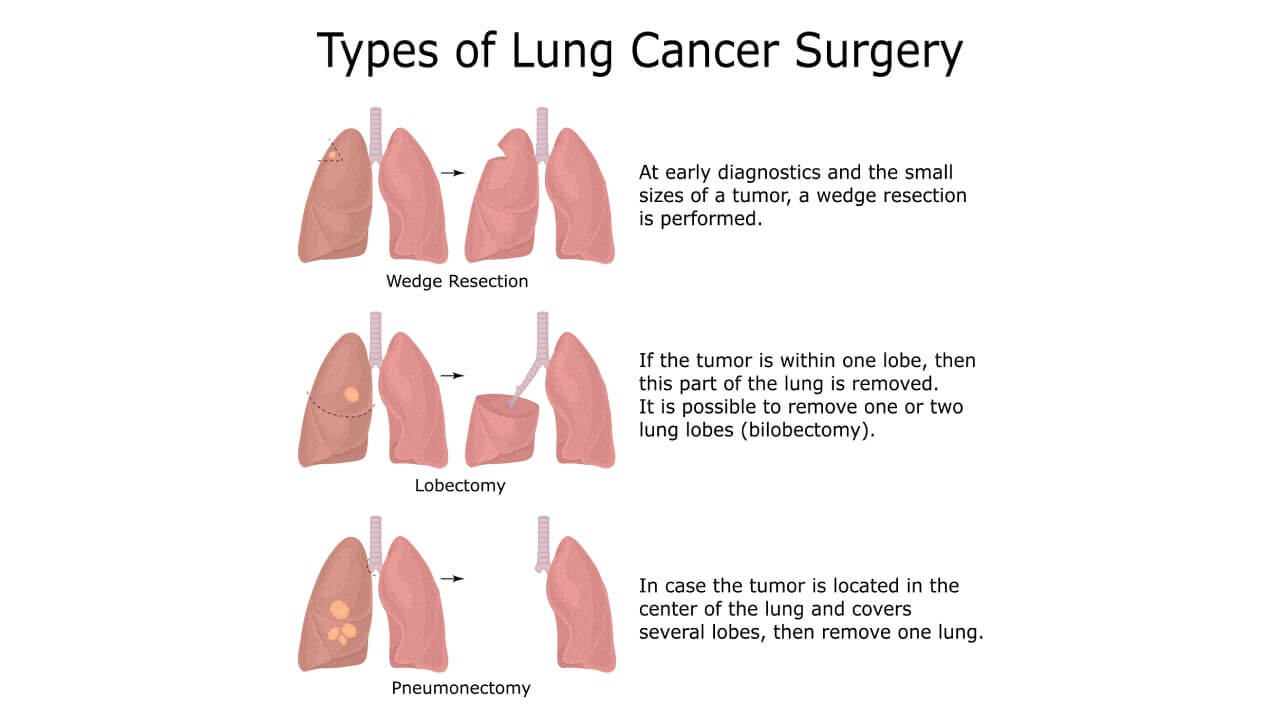
The volume of pulmonary tissue removed depends on the tumor's size and location within the lung segments. Surgical options for lung cancer range from segmental resection for small tumors to lobectomy, which removes an entire lung lobe. In more severe cases, pneumonectomy involves removing an entire lung.
This minimally invasive and well-tolerated novel procedure is in the sphere of interventional radiologists’ competence. TACE is suitable for lung cancer patients who are not candidates for surgery and/or require significant tumor shrinkage before planning other interventions. [2] This approach is characterized by several key pathogenetic and clinical components:
Targeted delivery of a chemotherapeutic agent. Interventional radiologists use advanced imaging to carefully guide catheters through the systemic circulation directly to the blood vessels feeding the lung cancer. This allows delivery of concentrated chemotherapy drugs specifically to cancer cells. At the same time, it significantly minimizes exposure to surrounding healthy tissues.
Dual mechanism of action. TACE combines chemotherapy with embolization – the deliberate blocking of blood vessels that supply the tumor. This creates a powerful double effect. There's a direct chemical attack on cancer cells, plus cutting off their vital blood supply.
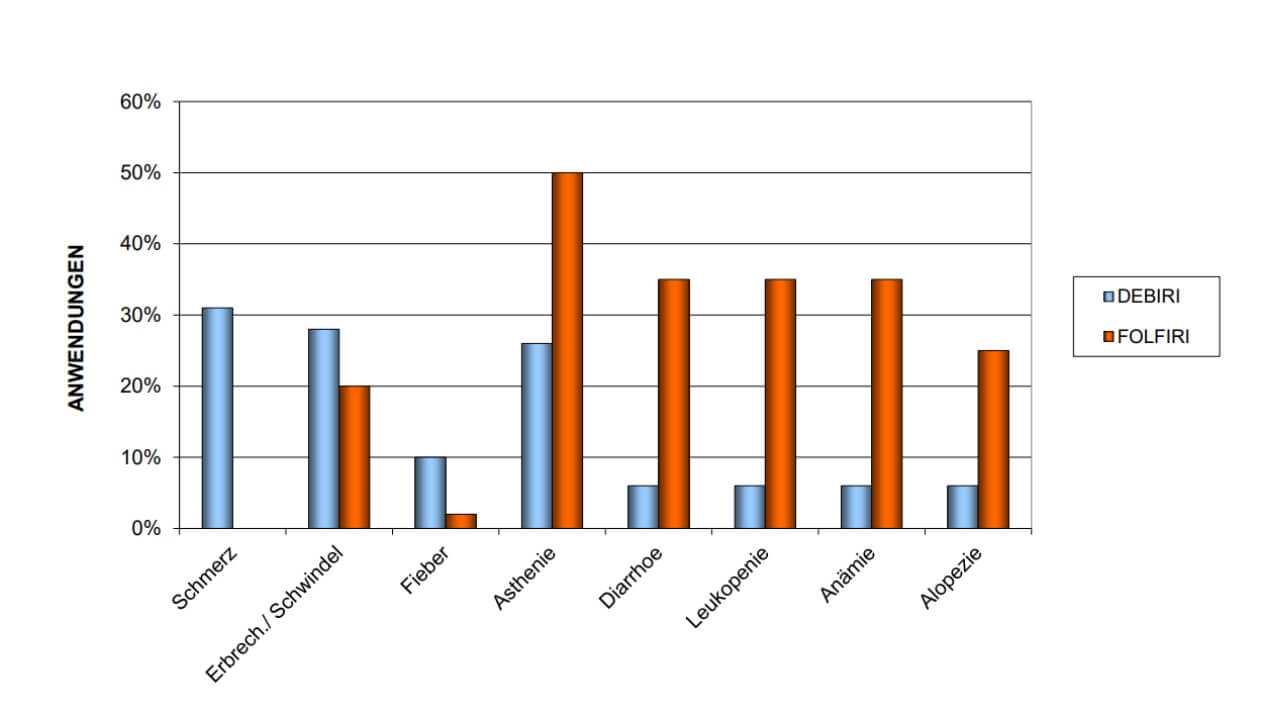
*Fiorentini G et al Anticancer Res 2012;32:1387
Better tolerance by patients. As chemotherapy drugs are delivered directly to the lung cancer site and do not enter systemic circulation, patients experience fewer of the side effects associated with traditional chemotherapy.
TACE has shown particular promise for patients with unresectable lung tumors. or those preparing for subsequent surgical intervention. Clinical studies demonstrate significant tumor shrinkage rates and improved quality of life outcomes.
Prof. Kovács: Why TACE Doubled Cancer Survival – What Patients Need to Know
Additional Standard Therapies for Lung Cancer
Radiation therapy is now not limited to external beam RT for lung cancer, known for decades. It has evolved significantly with techniques like stereotactic radiosurgery and proton therapy. These advanced radiation treatments offer excellent local control rates with minimal side effects.
Immunotherapeutic and targeted drugs are both more individualized, personalized medicine based on the molecular and genetic peculiarities of tumors. These treatments include but not limited to PD-L1 inhibitors and drugs targeting specific genetic mutations.
Conventional chemotherapy is still an important part of standard therapeutic schemes, particularly for advanced-stage disease.
Dendritic Cell Vaccination for Lung Cancer
Dendritic cell vaccination is a simple, not traumatic and not that invasive procedure that involves harnessing the body's own immune system for lung cancer treatment. This approach is based upon the groundbreaking research that earned Ralph Steinman the Nobel Prize in Medicine in 2011. This is the discovery of dendritic cells’ crucial role in adaptive immunity. [3]
How dendritic cells work. These specialized immune cells act as the body's "intelligence agents". They find and detect cancer cells and present their unique characteristics to other immune system components. To be precise, dendritic cells work is to help the immune system destroy suspicious cells before they can develop into lung cancer.
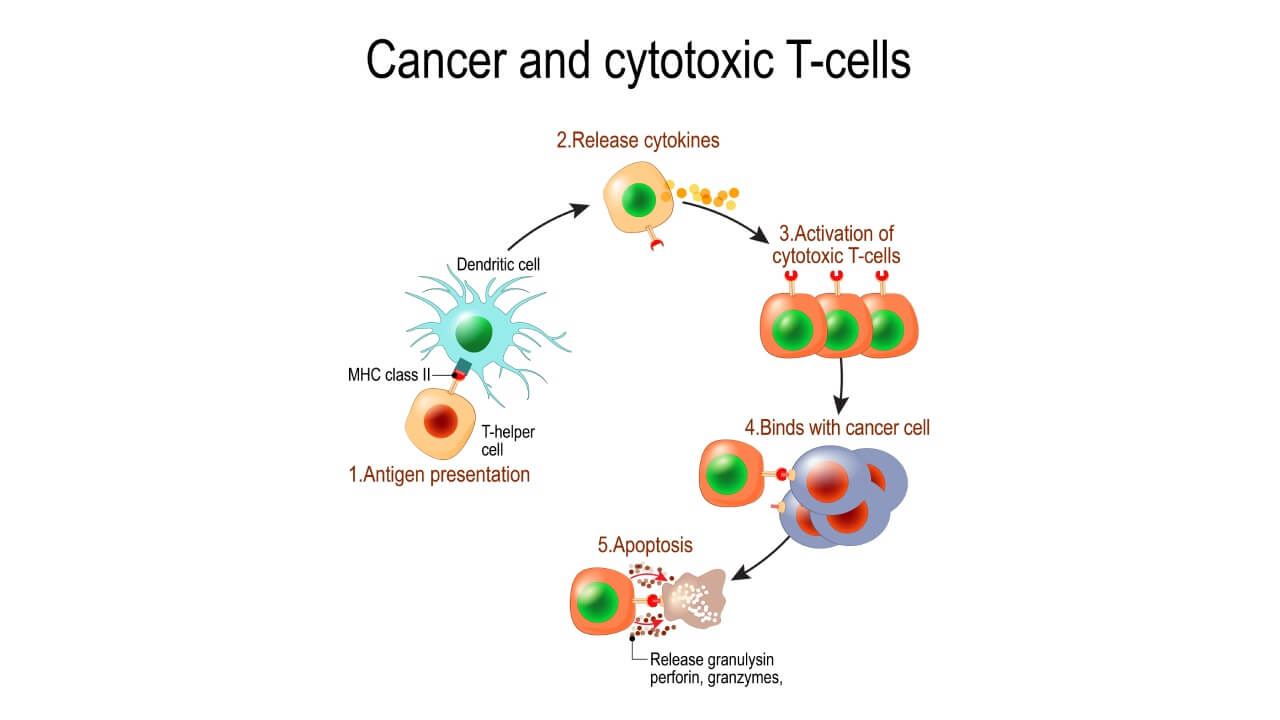
Therapeutic application. The process includes extracting dendritic cells from a patient's blood, exposing them to specific cancer antigens, and then reintroducing these "educated" cells back. Sounds simple, and so it basically is from a patient’s point of view. The enhanced dendritic cells more effectively instruct the immune system to recognize and attack cancer cells throughout the body.
Clinical evidence. Research has shown that DC vaccination can improve survival rates and quality of life for lung cancer patients. This immunotherapy approach is a part of personalized treatment plans based on individual tumor characteristics and is successfully combined with standard treatments.
Prof. Frank Gansauge: How Dendritic Cell Therapy is Transforming Modern Cancer Treatment
Understanding Integrative Medicine: Opportunities and Cautions in Lung Cancer
In a patients’ understanding, integrative medicine, naturopathic medicine, and integrative oncology share a similar meaning. Integrative medicine may support conventional treatment. However, patients must clearly understand both the potential benefits and significant limitations of these approaches.
What Integrative Medicine Can and Cannot Do in Lung Cancer
Integrative oncology does not replace standard treatments but may offer supportive benefits when used appropriately under professional medical supervision. The evidence-based goals of complementary therapies include:
- Supporting the patient's overall well-being during conventional treatment
- Managing specific side effects of standard therapies
- Potentially enhancing the effectiveness of proven treatments
- Improving quality of life through symptom management
- Supporting psychological and emotional health
Critical warning: Some patients would like to believe in the effectiveness of only non-official and non-conventional methods of treatment. Nevertheless, focusing only on such treatments leads to unfavorable results: absence of therapeutic effect, missed time and late treatment start, and disease progression with metastasis to distant organs.
Evidence-Based Nutritional Support in Lung Cancer
Proper nutrition represents one of the most scientifically supported aspects of integrative medicine for lung cancer patients. Dietary supplements and nutrition changes serve several important evidence-based functions [4]:
Maintaining a healthy body weight. Cancer patients lose weight a lot. Sometimes it gets really bad and progresses to cachexia – this is when lung cancer basically eats up the body's essential nutrients. Good nutrition helps patients stay strong enough to handle treatments.
Supporting treatment completion. If you change your diet the right way, it decreases the fatigue from radiotherapy or chemotherapy. This matters because patients need to finish their full treatment plans.
Managing GI side effects that are often caused by these or that cancer treatments. Nutritional interventions make them easier to cope with.
Supporting immune function. Some supplements actually work. Vitamin D does things for cell growth and immune function. Melatonin helps with sleep and also supports the immune system. The doctor will recommend you what you need.
Complementary Therapies in Lung Cancer: Benefits and Risks
Selected complementary methods do have potential health and QoL benefits for lung cancer patients. However, in our pursuit of all suitable options, let’s not forget about the risks that are also present.
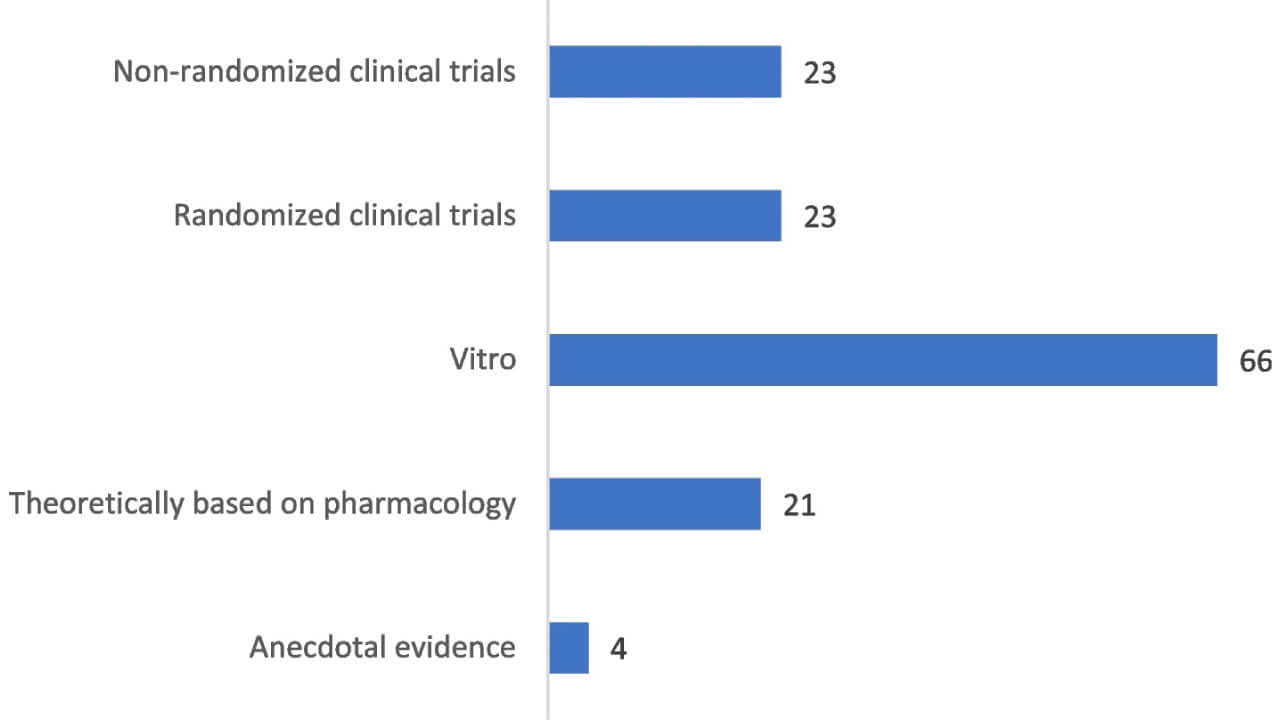
Homeopathic remedies work with extremely small doses of natural substances, e,g, plant extracts/minerals. Laboratory studies show they might do something against cancer. But the clinical evidence? It's pretty limited. Sometimes homeopathic remedies even can make your symptoms worse.
Beta-glucans are plant-based, i.e., natural, immunomodulators that might wake up your white blood cells. The research looks promising. But here's the thing – just boosting your immune system won't cure cancer. You still need the real cancer treatments.
Herbal supplements are all over the place. There's tons of different plant-based remedies for lung cancer out there. Some herbs actually show results in labs. But herbs are tricky. Don't just buy herbs and start taking them because they seem "natural" and "harmless:" they can make your lung cancer progress faster. Plus they can interact with your standard treatments in bad ways. People don't realize this.
Medical marijuana helps with certain symptoms. Nausea, vomiting, not wanting to eat—these problems come up a lot with conventional treatments. Marijuana can help with those. But it's not legal everywhere. You have to check the laws where you live. And talk to your oncology team first. Don't just go out and get it on your own.
Stress Management and Quality of Life in Lung Cancer
Stress management is one area where integrative oncology actually has good support. There are relaxation techniques that work for lung cancer patients:
- Massage therapy promotes relaxation and can reduce treatment side pain
- Meditation and yoga may reduce anxiety and depression and improve general sense of well-being
- Acupuncture may relieve pain and certain chemotherapy side effects
- Psychological counseling provides emotional support and coping mechanisms necessary
These techniques have the ability to greatly improve quality of life when used in conjunction with standard treatments.
Critical Safety Considerations in Lung Cancer
It is better for patients considering complementary therapies to pay additional attention to several essential safety principles:
- "Natural" does not equal "safe": This is a psychological trick. Each complementary method carries potential risks. Even beneficial effects in other patients do not guarantee the same effect, as reactions are entirely individual.
- Quality and regulation concerns: Here's a problem – many complementary products don't have the same quality control as regular medications. Nobody's really checking them the way they check standard drugs.
- Interaction risks: Herbal supplements and other complementary treatments might make your real treatments less effective. Or cause dangerous interactions. This happens more than you'd think.
- Practitioner qualifications: Make sure the healthcare providers offering complementary therapies actually know what they're doing. They should be properly qualified. And they need to be willing to coordinate with your main oncology team.
- Evidence evaluation: Patients need to be wary of providers who provide "guaranteed cures" or "secret ingredients." Genuine complementary treatments must have a degree of scientific evidence for their application.
Germany: Leading Excellence in Lung Cancer Integrative Oncology
German medical institutions are really good at integrative oncology. They offer lung cancer patients access to cutting-edge conventional treatments and also scientifically supported complementary approaches.
Why German Hospitals Excel in Lung Cancer Treatment
German specialists understand the specifics and side effects inside and out of radiation therapy, chemotherapy, and other standard therapies. This qualifies them to apply integrative medicine principles the right way in each situation. This comprehensive approach has resulted in better survival rates. Quality of life outcomes for international patients are superior too.
The German healthcare system puts a big emphasis on evidence-based practice: complementary therapies get carefully evaluated before they're used. They only integrate them when there's actual scientific support. This balanced approach protects patients from treatments that don't work. At the same time, it maximizes the benefits of legitimate integrative medicine approaches.
Leading German Medical Centers for Lung Cancer Treatment
German hospitals are long internationally known for their excellence in lung cancer treatment. They combine standard and integrative medicine approaches:
- St. Vincentius Hospital Karlsruhe – Academic Hospital of the University of Freiburg, Department of Pulmonology
- University Hospital RWTH Aachen, Department of Cardiology, Pulmonology and Angiology
- Augustinerinnen Hospital Cologne, Department of Pulmonology
- University Hospital Jena, Department of Cardiology, Angiology, Pulmonology and Intensive Care
- University Hospital Würzburg, Department of Cardiology, Endocrinology, Nephrology and Pulmonology
Here, cancer patients, their relatives and the oncology team can even choose between a few options and benefit from comprehensive treatment plans. These may include innovative procedures like TACE, dendritic cell vaccination, and advanced surgical techniques. All of this is supported by evidence-based integrative medicine approaches. Not the unproven stuff.
Lung Cancer Treatment Costs and Planning
Patients are able to make the most beneficial informed decisions about comprehensive lung cancer treatment by understanding the financial aspects clearly and in advance. Fortunately, German medical centers offer transparent pricing. Here's what various treatments cost:
- Lung cancer diagnostics – from €7,089
- Treatment of lung cancer by embolization of the bleeding vessels – from €8,300
- Thoracotomy with segmental tumor resection – from €22,270
- Lung cancer treatment with radiation therapy – from €16,100
- Video-assisted thoracoscopic (VATS) lobectomy – from €24,905
- Lung cancer treatment with proton therapy – from €85,325
- Lung cancer treatment with extended pneumonectomy – from €30,030
- Lung cancer treatment with chemotherapy – from €7,219
- Lung cancer treatment with embolization or chemoembolization – from €24,600
- Lobectomy with da Vinci robot – from €25,028
Making Well-Informed Treatment Choices in Lung Cancer
Complexity of today's lung cancer treatment requires balancing between proven standard treatments and potentially beneficial complementary approaches. Individuals and families are urged to make the following their priorities:
- Evidence-based standard treatment as the foundation of any treatment plan. These proven treatments offer the best chance for cure or extended disease control.
- Professional medical consultation for any complementary treatment. Properly trained professionals should direct all care components to ensure safety and efficacy.
- Realistic anticipation of what integrative medicine can and cannot do. Complementary therapies may improve quality of life and supplement conventional care, but not replace conventional evidence-based care.
- Systematic evaluation of treatment possibilities, in terms of both immediate effects and long-term outcomes.
A Medical Journey: Every Step of the Way With Booking Health
Finding the best treatment strategy for your clinical situation is a challenging task. In such a situation, it is easy to choose a first-hand option or to follow standardized therapeutic protocols with a long list of adverse effects instead of selecting highly specialized innovative treatment options.
To make an informed choice and get a personalized cancer management plan, which will be tailored to your specific clinical situation, consult medical experts at Booking Health. Being at the forefront of offering the latest medical innovations for already 12 years, Booking Health possesses solid expertise in creating complex cancer management programs in each case. As a reputable company, Booking Health offers personalized stage 4 lung cancer treatment plans with direct clinic booking and full support at every stage, from organizational processes to assistance during treatment. We provide:
- Assessment and analysis of medical reports
- Development of the medical care program
- Selection of a suitable treatment location
- Preparation of medical documents and forwarding to a suitable clinic
- Preparatory consultations with clinicians for the development of medical care programs
- Expert advice during the hospital stay
- Follow-up care after the patient returns to their native country after completing the medical care program
- Taking care of formalities as part of the preparation for the medical care program
- Coordination and organization of the patient's stay in a foreign country
- Assistance with visas and tickets
- A personal coordinator and interpreter with 24/7 support
- No hidden costs or fees
Health is an invaluable aspect of our lives. Delegating management of something so fragile yet precious should be done only to experts with proven experience and a reputation. Booking Health is a trustworthy partner who assists you in pursuing stronger health and a better quality of life. Contact our medical consultant to learn more about the possibilities of personalized treatment with innovative methods for metastatic lung cancer with leading specialists in this field.
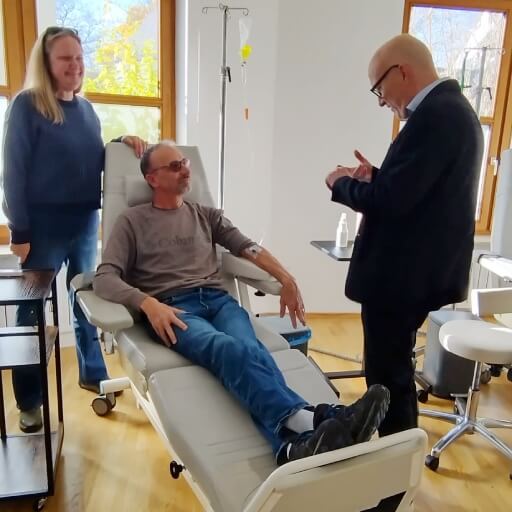
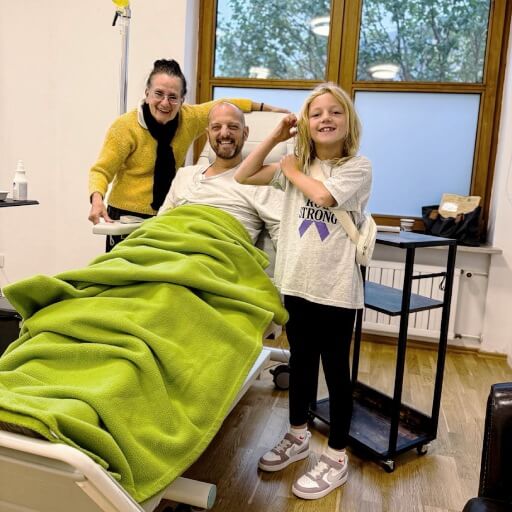
Fighting Cancer Together: Treatment Journeys with Booking Health





Frequently Asked Questions: Integrative Medicine and Standard Care for Lung Cancer
Send request for treatmentNo, integrative medicine cannot replace standard lung cancer treatment. Complementary approaches can only support evidence-based treatments.
Diet correction and non-drug stress management techniques are safe complementary therapies for lung cancer patients of all ages. However, be sure to remember that natural treatments can possibly interact with conventional methods in the undesirable way or cause complications.
The evidence of integrative medicine for lung cancer shows possibility for symptom management and QoL improvement. Approaches like nutritional support and stress reduction have scientific backing. However, robust clinical evidence for anti-cancer effects of most alternative methods remains limited.
Yes, they can. Research supports stress reduction techniques as valuable complementary approaches – meditation benefits lung cancer treatment by helping to cope with the side effects of conventional treatment better.
Some integrative medicine approaches have limited research support; nothing more can they offer. It is much better for patients of all ages and with different cancer stages to prioritize evidence-based therapeutic interventions over alternative therapies evidence for lung cancer treatment.
Choose treatment abroad and you will for sure get the best results!
Authors:
This article was edited by medical experts, board-certified doctors Dr. Nadezhda Ivanisova, and Dr. Bohdan Mykhalniuk. For the treatment of the conditions referred to in the article, you must consult a doctor; the information in the article is not intended for self-medication!
Our editorial policy, which details our commitment to accuracy and transparency, is available here. Click this link to review our policies.
Sources:
[1] NEJM Evidence. Video-Assisted Thoracoscopic or Open Lobectomy in Early-Stage Lung Cancer. https://evidence.nejm.org/doi/full/10.1056/EVIDoa2100016
[2] F Edward Boas, Nancy E Kemeny, Constantinos T Sofocleous et al. Bronchial or Pulmonary Artery Chemoembolization for Unresectable and Unablatable Lung Metastases: A Phase I Clinical Trial. Radiology. 2021 Aug 31;301(2):474–484. doi: 10.1148/radiol.2021210213. [DOI] [PMC free article]
[3] Roman Volchenkov, Florian Sprater, Petra Vogelsang, Silke Appel. The 2011 Nobel Prize in physiology or medicine. Scand J Immunol. 2012 Jan;75(1):1-4. doi: 10.1111/j.1365-3083.2011.02663.x. [DOI] [PubMed]
[4] Busyamas Chewaskulyong, Haritchanan Malairungsakul, Supawan Buranapin et al. Dietary Counseling Outcomes in Patients with Lung Cancer in an Upper-Middle-Income Country: An Open-Label Randomized Controlled Trial. J Clin Med. 2024 Sep 4;13(17):5236. doi: 10.3390/jcm1317523. [DOI] [PubMed]
[5] Maliheh Sadat Bazrafshani, Abbas Pardakhty, Behjat Kalantari Khandani, Haleh Tajadini et al. The prevalence and predictors of herb-drug interactions among Iranian cancer patients during chemotherapy courses. BMC Complement Med Ther 23, 41 (2023). https://doi.org/10.1186/s12906-023-03869-1. [DOI]
Read:
Comprehensive Guide to Lung Cancer: Treatment Options
Dendritic Cell Therapy for Lung Cancer Treatment in Germany
Comprehensive Guide to 4 Stage Lung Cancer Treatment Options