


Medical Blog About Treatment Abroad
Welcome to our medical blog – it is dedicated to empowering patients with knowledge about global healthcare! We created this platform with the intention to bridge the gap between patients and the medical innovations available globally.
What's Inside: Discover new and rare methods in oncology, immunology, heart surgery, neurosurgery, and other medical fields! Our health travel insights show how medical journeys open new possibilities with advanced treatments unavailable locally, including specialized cancer care abroad.
Who Benefits: This resource is for patients and their families who seek new treatment methods and explore options at leading international hospitals. Those who want to make informed healthcare decisions beyond borders.
Why Read: Booking Health experts provide verified information through patient-friendly articles – they translate complex medical advances into accessible info. Stay current with the latest developments in global healthcare and discover how international medicine can transform treatment outcomes!
Browse our latest articles and take the first step toward better health outcomes!
Latest posts - page 14
 German Ophthalmology - Treatment of Eye Diseases in German Hospitals
The German ophthalmological community is one of the oldest in Europe. To date, it is over 100 years old. The powerful development of ophthalmology in Germany began in 1857. What is interesting to consider is what was fantasy at that time. Today is just the modern reality of treating eye diseases. Each world state...
 Electrochemotherapy for Cancer Treatment
Cancer remains one of the most complex challenges. If we have a look at numbers, in 2020, approximately 19.3 million new cancer cases emerged worldwide, claiming nearly 10 million lives. By 2022, that figure had climbed to 20 million new diagnoses annually – one in five people will develop cancer during their lifetime.
 Immunotherapy for Liver Cancer
Hepatocellular carcinoma (HCC) is the most widespread form of liver cancer, and it is believed to be one of the leading causes of cancer-related deaths on earth. The epidemiology of liver cancer has changed considerably over the past few decades. Between 1978 and 2012, the incidence of primary liver cancer declined...
 Medical Treatment in Germany
Germany has become one of the leading destinations for medical tourism. Among European nations, it is considered to have the most developed healthcare system. More than 11% of GDP is invested in health care, and these efforts show clear results. Germany ranks third in global life expectancy and holds...
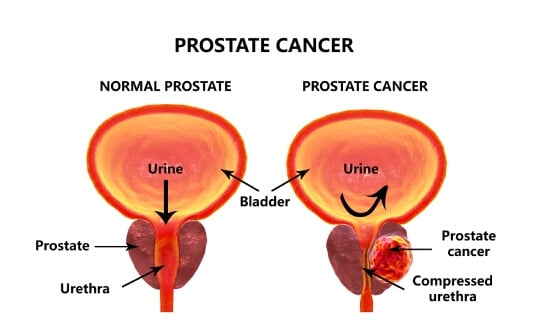 Stage 4 Prostate Cancer Treatment in Germany: What You Need to Know
To understand the scope of the problem, just imagine that nearly 300,000 men are diagnosed with prostate cancer yearly. Stage 4 diagnosis presents serious challenges, but ny patients live considerably longer with appropriate treatment – despite the 31% 5-year survival rate. German clinics offer options beyond standard care.
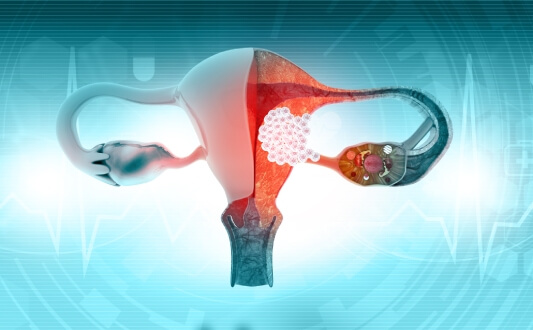 4 Stage Uterine Cancer: Treatment Options for Stage 4 Endometrial Cancer
Stage 4 uterine cancer and specifically stage 4 endometrial cancer represent the most advanced form of endometrial carcinoma, where the cancer has spread beyond the uterus to distant organs such as the lungs, liver, bones, or lymph nodes. According to the American Cancer Society, uterine cancer is the most common...
 Treatment of Autism in the focused Foreign Clinics
Autism is a mental disorder that is diagnosed in 2% of children. The etiology of the illness is unknown, as there is no single mechanism responsible for of its occurrence. Autism manifests itself with antisocial behavior, lack of communication skills, a tendency to rituals in behavior and systematization. The autistic child does not come...
 NanoKnife® (IRE) Treatment for Prostate Cancer
Prostate cancer (PCa) is one of the most common malignancies in the world and the cause of a significant proportion of all cancer deaths. An understanding of the epidemiology and risk factors of the disease is important since they each relate directly to therapeutic strategies and outcomes of prostate cancer.