


Medical Blog About Treatment Abroad
Welcome to our medical blog – it is dedicated to empowering patients with knowledge about global healthcare! We created this platform with the intention to bridge the gap between patients and the medical innovations available globally.
What's Inside: Discover new and rare methods in oncology, immunology, heart surgery, neurosurgery, and other medical fields! Our health travel insights show how medical journeys open new possibilities with advanced treatments unavailable locally, including specialized cancer care abroad.
Who Benefits: This resource is for patients and their families who seek new treatment methods and explore options at leading international hospitals. Those who want to make informed healthcare decisions beyond borders.
Why Read: Booking Health experts provide verified information through patient-friendly articles – they translate complex medical advances into accessible info. Stay current with the latest developments in global healthcare and discover how international medicine can transform treatment outcomes!
Browse our latest articles and take the first step toward better health outcomes!
Treatment - page 39
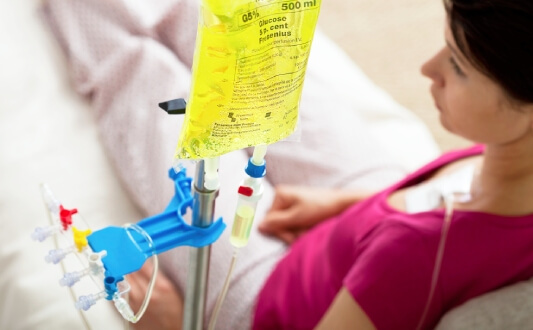 The advantages/benefits of chemotherapy at German hospitals
Chemotherapy is one of the vast therapeutic focuses in oncology, which uses drugs to suppress tumour growth and its destruction. This treatment is used all over the world. It is effective for most types of cancer. European hospitals achieve the best results using chemotherapy. Some patients mistakenly believe that chemotherapy...
 Treatment at the University Hospital Tuebingen
The University Hospital Tubingen is considered to be a maximum care medical center. It includes 17 highly specialized departments and has extensive experience in providing services to foreign patients. Tubingen is a small ancient city in Germany known for some of these interesting facts: according to one study by Focus...
 Hepatitis C - Treatment in Germany
Hepatitis C is a contagious liver disease that can range from a chronic lifelong disease to a short term illness . The disease doesn’t present such a great danger as only a few symptoms manifest. Nevertheless, the complications of this disease have tragic consequences. Asymptomatic course of the disease results in liver cirrhosis...
 Cardiac surgery in Germany – modern treatment of heart disease
According to the WHO, 17.5 million people die from CVD every year. With a timely intervention, the number of premature deaths could be prevented in 80% of cases. In many cases, conservative treatment is ineffective, so doctors resort to surgical intervention. Patients more often choose German clinics, especially those who require complex cardiac surgery.
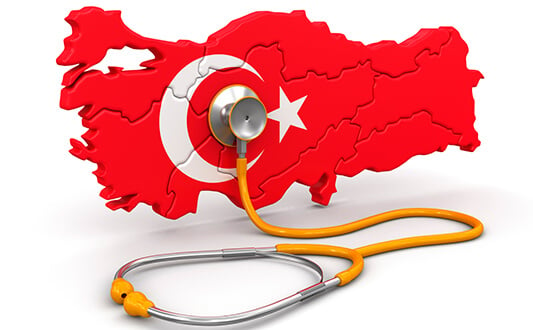 Treatment in Turkey
Modern Turkish hospitals combine high level of medical care according to the international protocols and reasonable prices for medical services. Therefore, more and more international patients come here annually. According to the International Medical Travel Journal (IMTJ), in 2018 more than 850,000 foreign citizens came to Turkey for medical care. In 2017, this figure was close to 700,000.
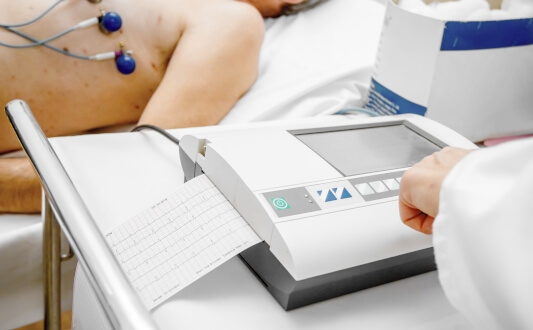 New methods for the treatment of arrhythmias
Arrhythmias are a group of conditions that affect the generation or conduction of electrical impulses. Many arrhythmias are dangerous because they may cause blood clots in the heart and attacks of dizziness with a possible loss of consciousness. This condition may also increase the risk of stroke and lead to sudden cardiac arrest.
 Principles of prostate cancer treatment
Prostate cancer can be treated in many different ways. Most often, surgical treatment, remote radiation therapy, brachytherapy and hormonal treatment are used. Let's talk about all these therapies and discuss how prostate cancer is treated at different stages of the oncologic process. Treatment of prostate cancer abroad offers...
 General surgery in Germany
General surgery is a branch of medicine that deals with the diagnostics and treatment of diseases requiring surgery. Mainly, these are abdominal and thoracic cavity interventions, treatment of hernias, skin diseases, subcutaneous fat, and other soft tissue pathologies. General surgery is much better developed in Germany than...