

Medical Blog About Treatment Abroad
Welcome to our medical blog – it is dedicated to empowering patients with knowledge about global healthcare! We created this platform with the intention to bridge the gap between patients and the medical innovations available globally.
What's Inside: Discover new and rare methods in oncology, immunology, heart surgery, neurosurgery, and other medical fields! Our health travel insights show how medical journeys open new possibilities with advanced treatments unavailable locally, including specialized cancer care abroad.
Who Benefits: This resource is for patients and their families who seek new treatment methods and explore options at leading international hospitals. Those who want to make informed healthcare decisions beyond borders.
Why Read: Booking Health experts provide verified information through patient-friendly articles – they translate complex medical advances into accessible info. Stay current with the latest developments in global healthcare and discover how international medicine can transform treatment outcomes!
Browse our latest articles and take the first step toward better health outcomes!
Latest posts - page 16
 Dendritic Сell Therapy for Soft Tissue Sarcoma
Soft tissue sarcomas (STS) are rare cancers that can develop in muscles, fat, cartilage, blood vessels, and other tissues throughout the body. They are quite uncommon, with about 13,520 new cases expected in the United States in 2025. These cancers make up less than 1% of all cancer diagnoses. Although advanced...
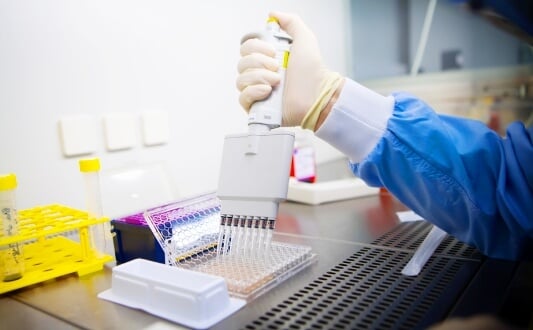 Prostate cancer treatment with dendritic cells
Prostate cancer remains one of the most serious challenges for modern oncology, ranking first among malignancies in men in many developed countries. The latest data from the National Cancer Institute show alarming dynamics: after a period of decline (2007-2014), the incidence rate began to rise again by 3.0% annually.
 Treatment of autoimmune diseases in Germany
Autoimmune diseases are a group of pathologies triggered by the disordered function of the immune system. The patient’s own immunity attacks the cells of the body, which leads to inflammation and the gradual destruction of tissues. Some autoimmune pathologies affect only one organ (for example, autoimmune...
 Duodenal Cancer: Latest Treatment Options Symptoms and Diagnosis
Duodenal cancer is an aggressive malignancy that requires from healthcare professionals expertise beyond standard approaches. According to the statistics, the survival is falling to just 11-19% in advanced cases from 80% in early stages. Traditional duodenum cancer treatment such as Whipple procedure is the approved...
 Dendritic Cell Therapy for Colon (Bowel) Cancer
Dendritic cell therapy is a form of cancer immunotherapy that utilizes the body's own immune system to fight cancer cells. It is considered a promising approach for patients with various cancers, including colon cancer. Regarding the latter, this disease is one of the most prevalent malignancies worldwide.
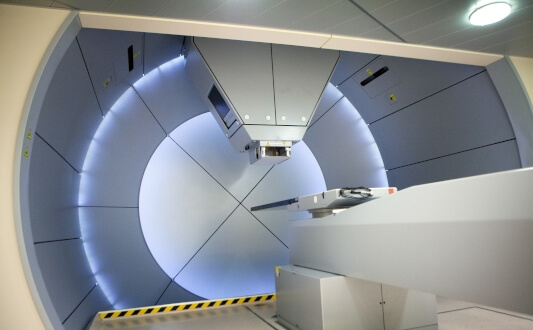 Proton therapy – advanced cancer treatment method
Proton therapy is the most modern method of radiation therapy. Proton therapy has been carried out since the 2000s, and during this time, it has proven itself as a highly accurate and effective treatment method for malignant tumors. The essence of radiation therapy is the destruction of DNA in cancer cells, with the help...
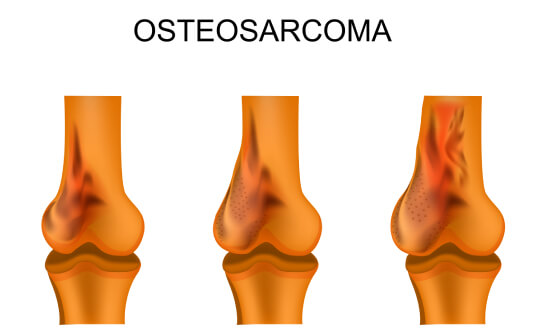 Osteosarcoma Treatment with Dendritic Cells in Germany
Osteosarcoma is one of the most dangerous malignant bone tumors, accounting for about 6% of all childhood cancer cases, with an incidence rate of 5.5 to 8.7 cases per million children and adolescents depending on the region. About 400 new cases of this disease are diagnosed every year in the US alone, with the peak incidence occurring...
 Top 10 Best Hospitals in Germany
Why is treatment in German hospitals so popular among medical tourists? With diagnostic accuracy exceeding 99.8% and approximately 250,000 international patients treated annually, Germany leads global healthcare excellence. National surveys show 84% patient satisfaction rates (among Europe's highest!)...