


Medical Blog About Treatment Abroad
Welcome to our medical blog – it is dedicated to empowering patients with knowledge about global healthcare! We created this platform with the intention to bridge the gap between patients and the medical innovations available globally.
What's Inside: Discover new and rare methods in oncology, immunology, heart surgery, neurosurgery, and other medical fields! Our health travel insights show how medical journeys open new possibilities with advanced treatments unavailable locally, including specialized cancer care abroad.
Who Benefits: This resource is for patients and their families who seek new treatment methods and explore options at leading international hospitals. Those who want to make informed healthcare decisions beyond borders.
Why Read: Booking Health experts provide verified information through patient-friendly articles – they translate complex medical advances into accessible info. Stay current with the latest developments in global healthcare and discover how international medicine can transform treatment outcomes!
Browse our latest articles and take the first step toward better health outcomes!
Latest posts - page 26
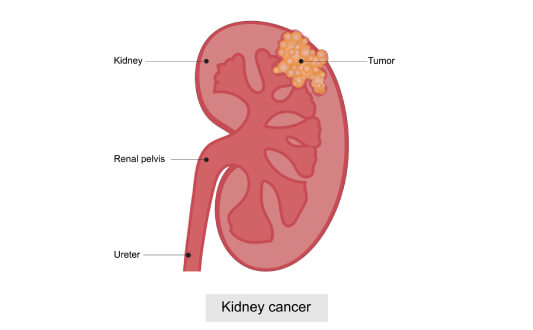 Immunotherapy treatment for kidney cancer in Germany
Kidney cancer (KC) is a heterogeneous and complicated condition that is caused by the uncontrolled growth of abnormal kidney cells. Renal cell carcinoma (RCC) is one of the numerous types of cancer that comprise approximately 90% of all malignant kidney tumors. Kidney cancer (KC) has an increasing global prevalence rate of 400,000 new...
 Prostate Cancer Diagnosis
Prostate cancer is the second most common cancer diagnosis among men and remains one of the leading causes of cancer-related deaths worldwide. According to GLOBOCAN 2018, more than 1,276,000 new cases were reported globally, with a particularly high incidence in developed countries. The risk of developing prostate...
 Treatment Methods and Advanced Therapies for Liver Metastases
The liver is the body's laboratory – it filters blood and performs hundreds of vital functions. Unfortunately, this makes it vulnerable to cancer cells: they travel through the bloodstream from the primary tumor and settle there, forming secondary liver cancer called hepatic metastases. According to the results of large-scale studies, colorectal...
 Conventional Lung Cancer Treatment Compared to Integrative Methods
Lung cancer is the second most common type of cancer in men and women and is responsible for approximately 13% of all new cancer cases worldwide. Survival rate over five years is very much based on diagnosis stage. For localized early-stage cancers, it is more than 90%. But for advanced metastatic illness, unfortunately, it dips below 10%.
 Brachytherapy for cervical cancer
Cervical cancer is among the most widespread gynecological cancers worldwide, with outcomes that vary greatly depending on region and healthcare access. The World Health Organization reports that more than 600,000 women are diagnosed annually, and almost 340,000 lose their lives to the disease, even though it can often be...
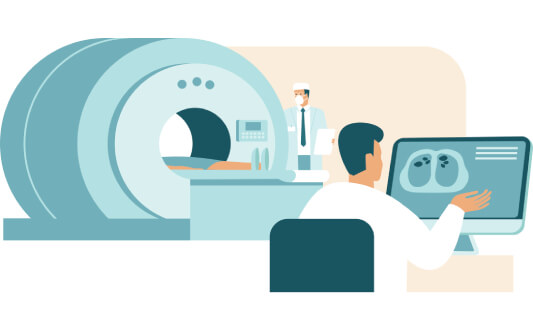 Diagnostics of lung cancer
With 2.5 million new cases in 2022 and 1.8 million deaths, lung cancer remains the most common cancer diagnosed worldwide. The challenge is early detection: only 17% and 15% of lung cancers in women and men, respectively, are diagnosed at stage 1, when survival is 80-93%. Those with advanced lung cancer have survival rates of less than 20%.
 Stem Cell Treatment for Erectile Dysfunction in Germany
Erectile dysfunction (ED) is a disease in which it is impossible to achieve a sufficient erection for sexual intercourse. This pathology can have many reasons. Depending on the origin, erectile dysfunction requires different approaches to treatment. Studies in Germany show ED prevalence rates between 18% and 48% among...
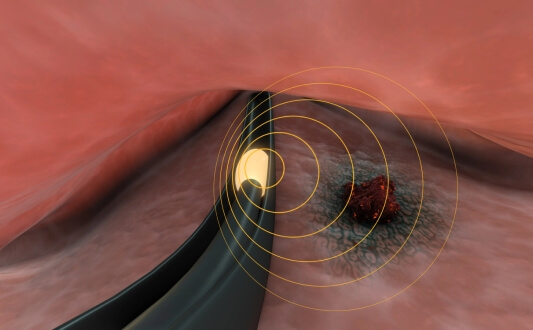 Brachytherapy for Uterine Cancer
Uterine cancer, and particularly endometrial cancer - the most common form - has become an increasingly urgent concern worldwide. According to a recent PubMed-indexed global burden analysis, there were approximately 360,253 new cases and 84,630 deaths from endometrial cancer among postmenopausal women in 2021. These figures...