

Medical Blog About Treatment Abroad
Welcome to our medical blog – it is dedicated to empowering patients with knowledge about global healthcare! We created this platform with the intention to bridge the gap between patients and the medical innovations available globally.
What's Inside: Discover new and rare methods in oncology, immunology, heart surgery, neurosurgery, and other medical fields! Our health travel insights show how medical journeys open new possibilities with advanced treatments unavailable locally, including specialized cancer care abroad.
Who Benefits: This resource is for patients and their families who seek new treatment methods and explore options at leading international hospitals. Those who want to make informed healthcare decisions beyond borders.
Why Read: Booking Health experts provide verified information through patient-friendly articles – they translate complex medical advances into accessible info. Stay current with the latest developments in global healthcare and discover how international medicine can transform treatment outcomes!
Browse our latest articles and take the first step toward better health outcomes!
Latest posts - page 27
 Surgical Treatment for Cervical Cancer
Cervical cancer is one of the most common malignancies among women worldwide, ranking as the fourth most frequent cancer with more than 660,000 new cases and over 350,000 deaths each year. Despite these alarming numbers, progress in early diagnostics and treatment methods has significantly improved survival rates. When doctors...
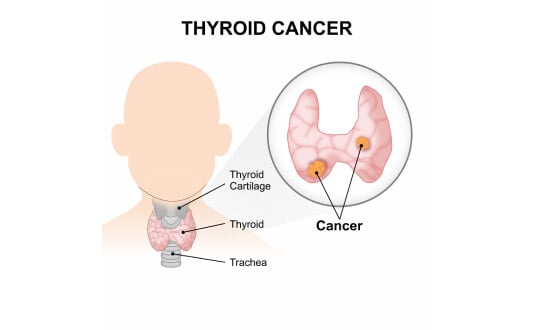 Stage 4 Thyroid Cancer Treatment in Germany
While most thyroid cancers are found early and carry excellent outcomes, a small but clinically important group presents with advanced disease. U.S. population data from the SEER program show that about 3% of thyroid cancers are diagnosed with distant metastases, and the 5-year relative survival in this distant stage is ~50%.
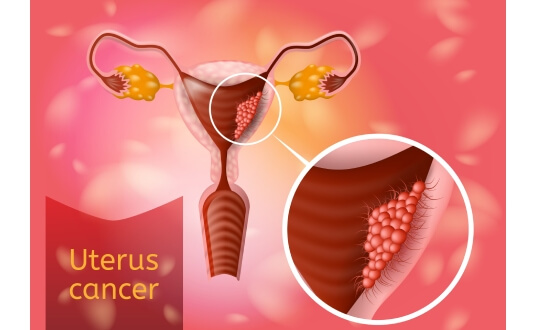 Uterine Cancer Treatment in Germany
Uterine cancer ranks among the most common cancers in women globally, with over 417,000 new cases and nearly 97,000 deaths reported in 2020. While the overall statistics reflect a global challenge, Germany stands out - not only for its robust healthcare infrastructure but also for the growing emphasis on advanced, minimally invasive, and targeted...
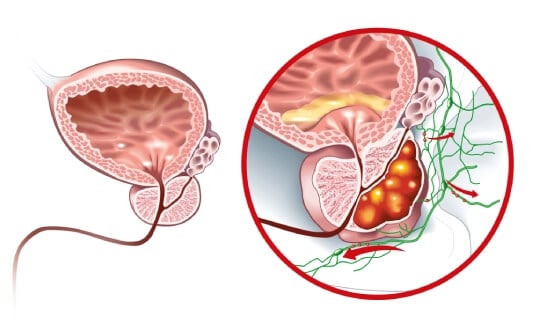 Surgical Treatment of Prostate Cancer
Almost any actively dividing cell of the human body can become a cancer cell. The prostate gland cells are not an exception, as they produce prostate fluid – part of the semen, which protects spermatozoids and guarantees their viability. Prostate cancer is widespread and takes second place among all oncological conditions in men.
 Survival for breast cancer
Breast cancer is a disease that can lead to fatality. However, it can be fatal only if it has not been treated on time. In recent years, doctors have learned how to manage this pathology effectively. As a result, there is now a high survival rate among patients, especially in developed countries. Many effective methods of breast cancer treatment...
 Stem Cells Therapy for Dementia
Dementia affects 47 million people worldwide, with numbers expected to reach 131 million by 2050. While traditional treatments only manage symptoms, new treatment for dementia with stem cells offers new hope by targeting the root causes of brain damage. These remarkable cells can reduce harmful...
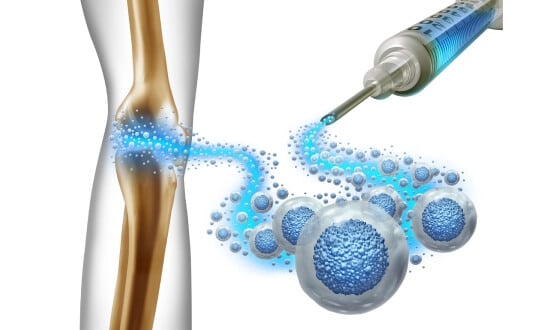 Stem cells Treatment of Joints
Joint pain ranks among the most widespread musculoskeletal conditions in Europe, currently affecting over 57 million adults in Western Europe, which is more than a 50% increase since 1990. Nearly 43% of these individuals are under the age of 65, which dispels the misconception that joint disorders only affect the elderly. In addition, knee...
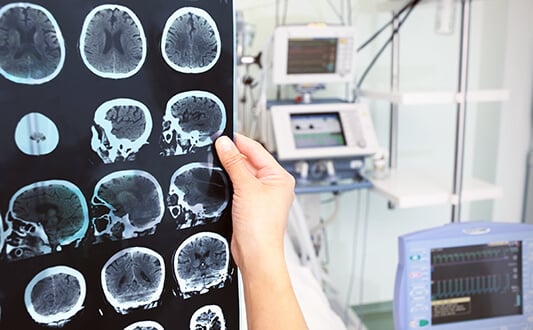 ROSA - the Neurosurgeons dream assistant
Robotic assisted technology is the latest breakthrough in neurosurgery. Robotic Surgery Assistance or ROSA as it is commonly called, is now being used at the University clinic in Frankfurt, Germany. The advantages of using robotic surgery is minimally invasive, less pain, small incisions, reduced blood loss, quick recovery ...