


Medical Blog About Treatment Abroad
Welcome to our medical blog – it is dedicated to empowering patients with knowledge about global healthcare! We created this platform with the intention to bridge the gap between patients and the medical innovations available globally.
What's Inside: Discover new and rare methods in oncology, immunology, heart surgery, neurosurgery, and other medical fields! Our health travel insights show how medical journeys open new possibilities with advanced treatments unavailable locally, including specialized cancer care abroad.
Who Benefits: This resource is for patients and their families who seek new treatment methods and explore options at leading international hospitals. Those who want to make informed healthcare decisions beyond borders.
Why Read: Booking Health experts provide verified information through patient-friendly articles – they translate complex medical advances into accessible info. Stay current with the latest developments in global healthcare and discover how international medicine can transform treatment outcomes!
Browse our latest articles and take the first step toward better health outcomes!
Latest posts - page 23
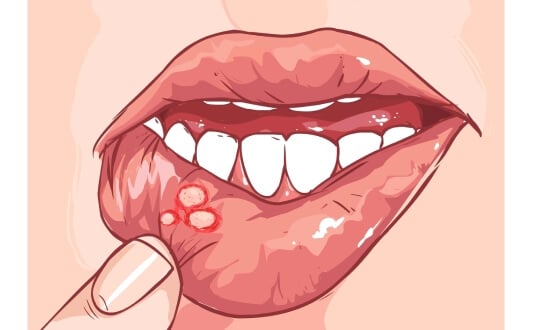 Lip Cancer: Complete Guide to Modern and Innovative Treatment Options
Lip cancer is the most common form of oral cancer in the world and belongs to the head and neck cancer group. This carcinoma includes malignant lesions of the epithelium of the red border of the mouth, where under the influence of external factors normal cells can turn into abnormal cells, and later – into cancer cells. Most cancers have...
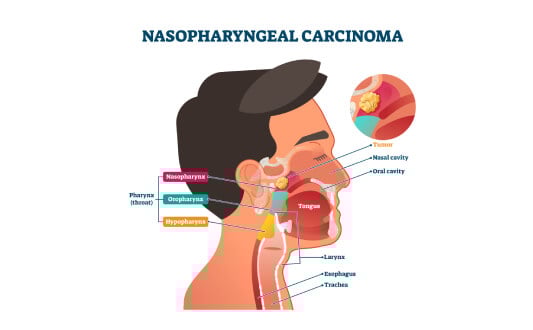 Nasopharyngeal Cancer Treatment Options
Nasopharyngeal cancer – is a malignant neoplasm of the head and neck that develops in the anatomical area of the nasopharynx and has clear etiological, histological and clinical features. Unlike other tumors of this localization, the nasopharynx tumor is often associated with Epstein-Barr virus and has characteristic pathways.
 Immunological treatments for Alzheimers disease
A standard clinical protocol for the treatment of Alzheimer's disease (AD) is based on symptomatic treatment. This aims at a slight increase in the viability of neurons that are constantly suffering from the accumulation of toxic amyloid beta. The development of active and passive types of immunization and the use of dendritic cells (DCs) allowed...
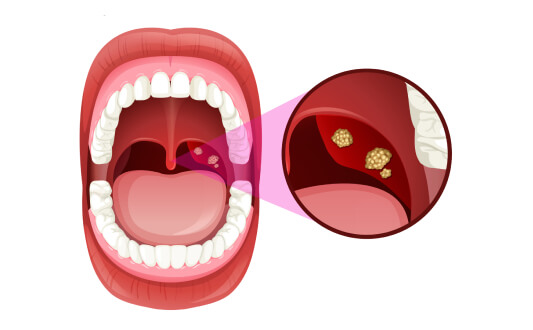 Tonsil Cancer Treatment: Guide to the Most Advanced Therapy Options 2026
Tonsil cancer (TC) is a type of malignant tumor that develops from tonsil tissue in the back of your throat and is a part of head and neck cancers. Tonsils are organs of the immune system that help the body fight infection by stopping harmful bacteria from entering the body through the mouth. They are the body’s first line of defence against...
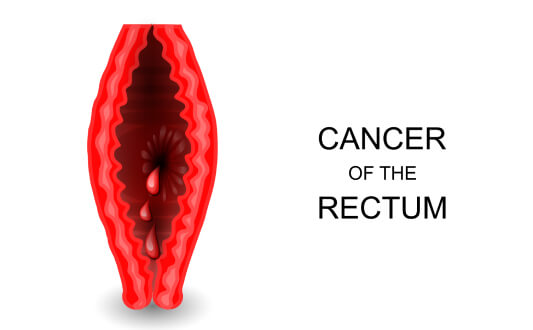 Stage 4 Rectal Cancer Treatment in Germany
With more than 1.9 million new cases and 0.9 million deaths in 2020, rectal cancer (RC) was the third most common cancer and the second most common cause of cancer mortality worldwide. Geographical disparities were reported in incidence and mortality rates, time trends, and the future burden of RC across different countries and...
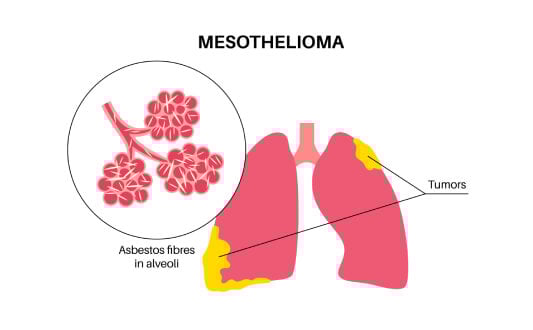 Complete Guide to Pleural Mesothelioma Treatment Options
Pleural mesothelioma (PMe), also known as malignant pleural mesothelioma (MPM), is a rare and aggressive type of cancer that affects the pleura, which is a thin layer of tissue that creates lining of the lungs. Mesothelioma is mostly caused by inhaling asbestos fibres, a mineral that is used in building materials. Over time, asbestos damages...
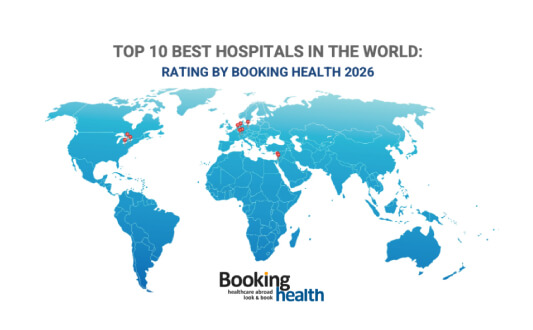 Best 10 Hospitals in the World 2026: Rating by Booking Health
Choosing the right hospital when facing a tough diagnosis is one of the most important decisions a patient can make. This will influence your treatment success, personal comfort, and safety. Because you put on the line the most valuable thing you have–your health and well-being. You should always consider the number of patients that are...
 Gum Cancer Treatment: Guideline for Treatment Options
Gingival cancer is a rare type of malignancy that develops from the tissue surrounding the teeth in the oral cavity. It is also called gingival squamous cell carcinoma (GSCC) from the squamous cells that line the mouth. Squamous cell gingival carcinoma accounts for about 10% of all oral cancers and is more common in white men after the age...