




Medical Blog About Treatment Abroad
Welcome to our medical blog – it is dedicated to empowering patients with knowledge about global healthcare! We created this platform with the intention to bridge the gap between patients and the medical innovations available globally.
What's Inside: Discover new and rare methods in oncology, immunology, heart surgery, neurosurgery, and other medical fields! Our health travel insights show how medical journeys open new possibilities with advanced treatments unavailable locally, including specialized cancer care abroad.
Who Benefits: This resource is for patients and their families who seek new treatment methods and explore options at leading international hospitals. Those who want to make informed healthcare decisions beyond borders.
Why Read: Booking Health experts provide verified information through patient-friendly articles – they translate complex medical advances into accessible info. Stay current with the latest developments in global healthcare and discover how international medicine can transform treatment outcomes!
Browse our latest articles and take the first step toward better health outcomes!
Oncology - page 5
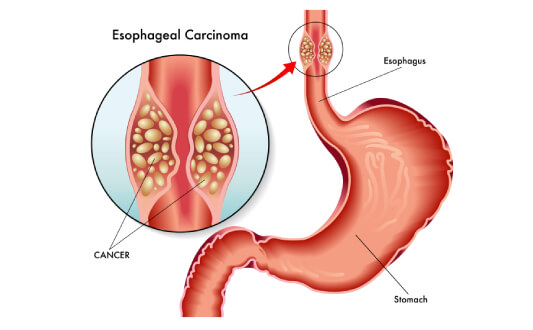 Comprehensive Guide to Esophageal Cancer: New and Standard Treatment Options
Esophageal cancer is still among the deadliest cancers of the digestive system, with about one out of every 20 cancer-related deaths worldwide. In 2022, over 500,000 new cases were diagnosed globally, and it is particularly high in East Asia and some parts of Africa. In the US, the American...
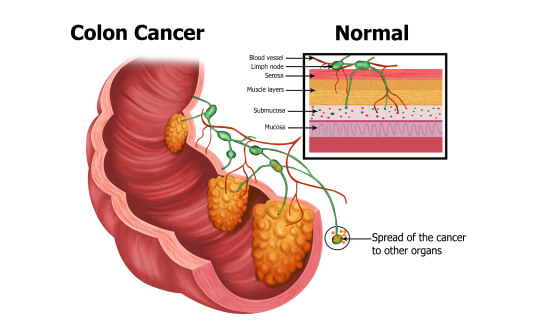 Best Bowel (Colon) Cancer Treatment in Germany 2026: A Complete Guide
Cancer of the bowel can seem overwhelming initially, but learning about your diagnosis is a great first step toward feeling more in control of your health. Also known as colon cancer, it is a malignant growth in the large intestine, including the colon and rectum. It makes up about 7.6% of all new malignancy diagnoses in the USA...
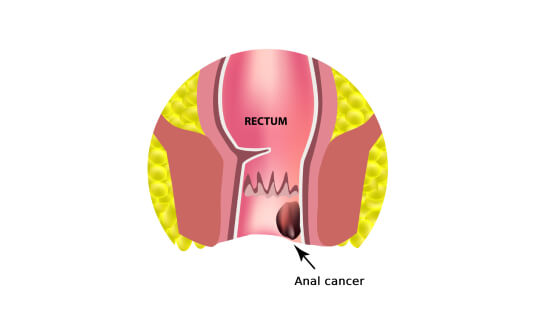 Anal Cancer: Complete Guide to Diagnosis and Treatment
Anal carcinoma is a rare but increasingly common, malignant neoplasm: the incidence has increased by approximately 2.7% per year over the past decade. Squamous cell carcinoma (SCC) accounts for about 85% of all cases, and a significant part of the diagnoses is HPV-positive anal squamous cell carcinoma. Although this type...
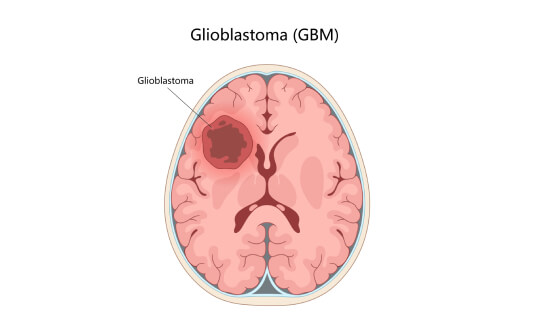 Glioblastoma Treatment in Germany
Glioblastoma (GBM) is the most common primary malignant tumor of the brain and accounts for about 16% of all primary neoplasms of the brain and central nervous system. The average age-standardized incidence rate is estimated at 3.2 cases per 100,000 population. As one of the most aggressive forms of brain cancer, glioblastoma...
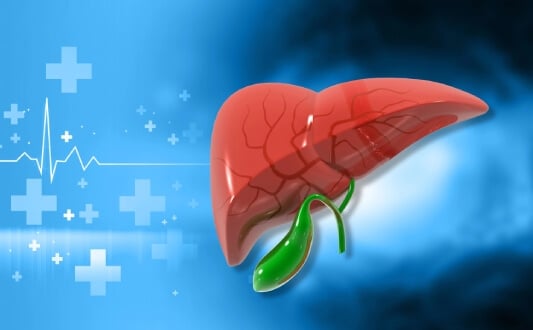 Liver Cancer Treatment with Dendritic Cell Therapy
Liver cancer remains one of the most pressing global health challenges of the 21st century. It is the third leading cause of cancer-related deaths worldwide, with hepatocellular carcinoma (HCC) accounting for the vast majority of cases. According to the Global Cancer Observatory, over 900,000 new liver cancer cases were diagnosed in 2022 alone...
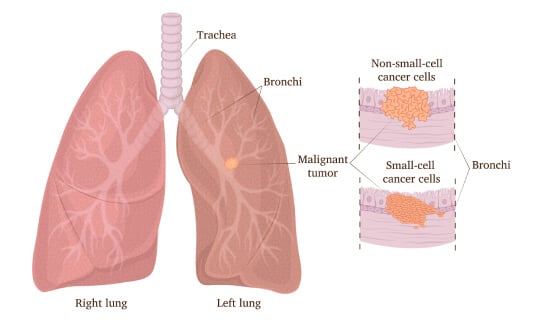 Dendritic Cell Immunotherapy for Non-Small Cell Lung Cancer
Non-small cell lung cancer affects 85% of lung cancer patients, with stage III-IV cases having less than 5% five-year survival rates. While traditional treatments help only 30% of selected patients, innovative dendritic cell immunotherapy shows 50-65% effectiveness rates in clinical studies. These "immune system generals" train your body to fight...
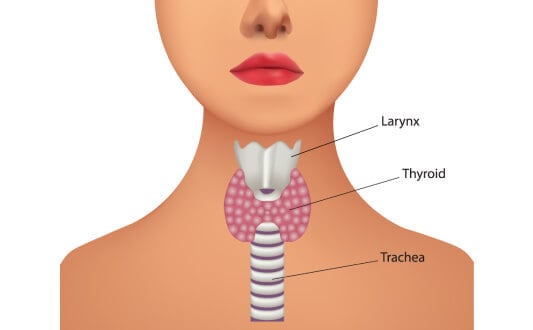 Tracheal Cancer: Complete Guide to Modern and Innovative Treatment Options
Central airway tumors can be considered part of the spectrum of diseases related to head and neck cancer due to the anatomical and clinical proximity to the airways. Primary tracheal tumors (a type of airway cancer) are rare, but in adults they are usually cancerous, accounting for about 0.2% of all malignant tumors.
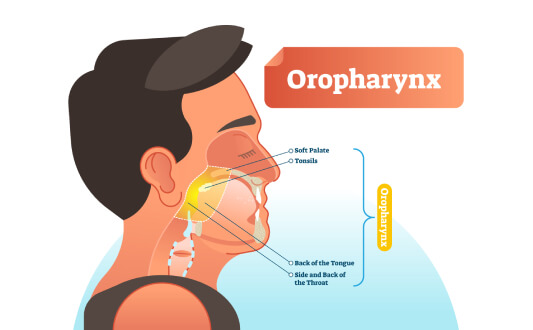 Oropharyngeal Cancer: Complete Guide to Modern and Innovative Treatment Options
Oropharyngeal cancer (OPC) is a type of tumor that grows in the tissue of the oropharynx and includes malignancies of the tonsils, base of the tongue, posterior pharyngeal wall, and roof of the mouth. It is a part of a wide group of head and neck cancers (HNC) and shares the same origin from epithelial squamous cell tissue lining.