

Medical Blog About Treatment Abroad
Welcome to our medical blog – it is dedicated to empowering patients with knowledge about global healthcare! We created this platform with the intention to bridge the gap between patients and the medical innovations available globally.
What's Inside: Discover new and rare methods in oncology, immunology, heart surgery, neurosurgery, and other medical fields! Our health travel insights show how medical journeys open new possibilities with advanced treatments unavailable locally, including specialized cancer care abroad.
Who Benefits: This resource is for patients and their families who seek new treatment methods and explore options at leading international hospitals. Those who want to make informed healthcare decisions beyond borders.
Why Read: Booking Health experts provide verified information through patient-friendly articles – they translate complex medical advances into accessible info. Stay current with the latest developments in global healthcare and discover how international medicine can transform treatment outcomes!
Browse our latest articles and take the first step toward better health outcomes!
Treatment - page 13
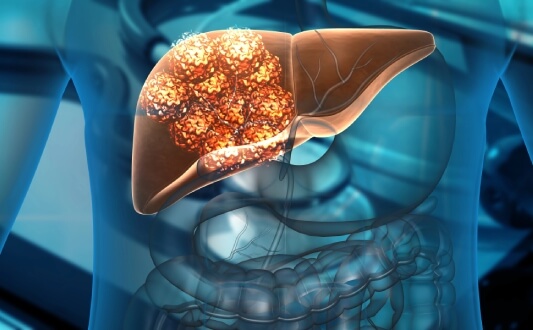 Innovative solutions for the treatment of liver cancer and liver metastases
The treatment of liver cancer and liver cancer metastases is one of the most complex and challenging tasks, with this oncology type representing the 6th most common cancer worldwide with 866,136 new cases diagnosed in 2022. The diversity of primary cancers poses significant difficulties for both doctors and patients. Even more critical is liver...
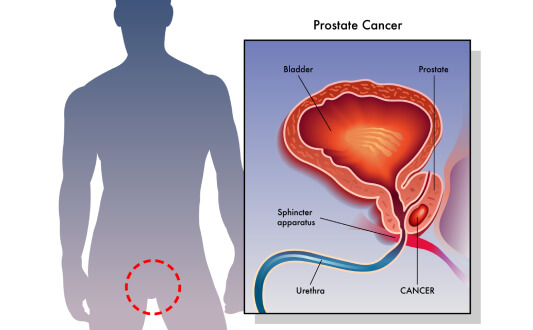 What Is Prostate Cancer and How Is It Treated
Prostate cancer is the most common malignant tumor in men and a major cause of cancer-related death worldwide. According to the World Health Organization (WHO) and Global Cancer Observatory (GLOBOCAN 2022), more than 1.4 million new cases of prostate cancer are diagnosed each year, accounting for nearly 15% of all cancers in men....
 Immunological treatments for Alzheimers disease
A standard clinical protocol for the treatment of Alzheimer's disease (AD) is based on symptomatic treatment. This aims at a slight increase in the viability of neurons that are constantly suffering from the accumulation of toxic amyloid beta. The development of active and passive types of immunization and the use of dendritic cells (DCs) allowed...
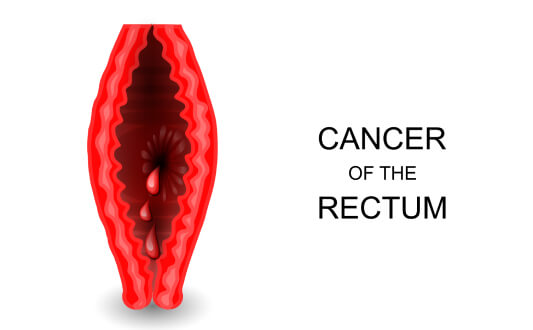 Stage 4 Rectal Cancer Treatment in Germany
With more than 1.9 million new cases and 0.9 million deaths in 2020, rectal cancer (RC) was the third most common cancer and the second most common cause of cancer mortality worldwide. Geographical disparities were reported in incidence and mortality rates, time trends, and the future burden of RC across different countries and...
 Dendritic cells: a possible key to treating ulcerative colitis
Dendritic cell therapy for ulcerative colitis is an advanced approach focused on the individual characteristics of the patient’s body. This method is an innovative solution in the world of medicine and opens up new opportunities for those who are looking for effective ways to combat a chronic disease. Unlike standard treatments, dendritic cell...
 Stem cell therapy for Alzheimers disease treatment
Alzheimer's disease (AD) is a major public health problem. According to the Alzheimer's Association, about 6.2 million people are living with the disease in the USA alone, and that number is projected to rise to nearly 14 million by 2050. Classic treatment eliminates symptoms and does not affect the underlying cause of the...
 Stage 4 Bladder Cancer Treatment in Germany
In 2020 over 573,000 new bladder cancer (BC) cases and around 212,000 BC deaths were estimated to occur worldwide, representing approximately 3% of all new cancer cases and more than 2% of cancer deaths. BC ranks as the tenth most common cancer diagnosed and the 13th most common cause of cancer mortality worldwide.
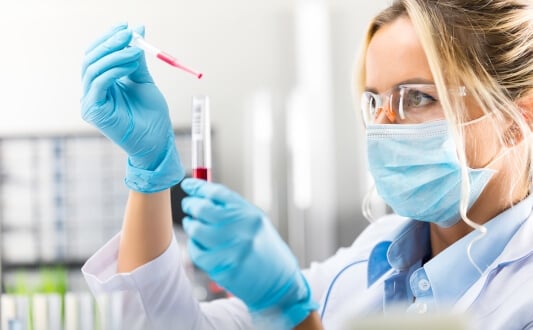 Immunotherapy treatment for leukemia in Germany
In recent years, doctors in developed countries have increasingly used immunotherapy treatment for leukemia. Healthcare professionals in Germany use innovative drugs that help cope with even refractory and relapsing forms of leukemia. Immunotherapy is mainly used for acute lymphocytic leukemia.