

Medical Blog About Treatment Abroad
Welcome to our medical blog – it is dedicated to empowering patients with knowledge about global healthcare! We created this platform with the intention to bridge the gap between patients and the medical innovations available globally.
What's Inside: Discover new and rare methods in oncology, immunology, heart surgery, neurosurgery, and other medical fields! Our health travel insights show how medical journeys open new possibilities with advanced treatments unavailable locally, including specialized cancer care abroad.
Who Benefits: This resource is for patients and their families who seek new treatment methods and explore options at leading international hospitals. Those who want to make informed healthcare decisions beyond borders.
Why Read: Booking Health experts provide verified information through patient-friendly articles – they translate complex medical advances into accessible info. Stay current with the latest developments in global healthcare and discover how international medicine can transform treatment outcomes!
Browse our latest articles and take the first step toward better health outcomes!
Latest posts - page 5
 Breast Cancer Treatment in Germany
Because the decision of where to treat breast cancer has never carried more weight, patients today are navigating a disease whose global scale is still expanding. In 2022, 2.3 million new diagnoses were recorded and nearly 670,000 lives were lost — numbers that the World Health Organization...
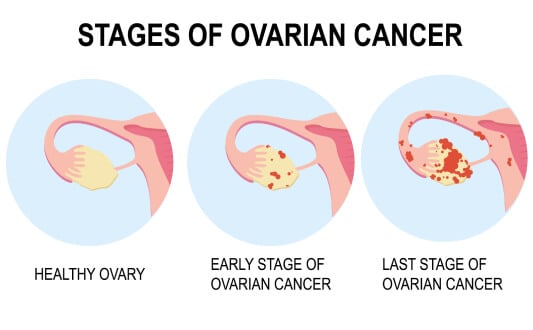 Stage 4 Ovarian Cancer Treatment: Comprehensive Guide 2026
Ovarian cancer is the 8th most common type of cancer in women, with more than 320,000 new cases registered in 2022. Around a quarter (25%) of all new cases were diagnosed in women aged 75 and older. Taking into account that early symptoms are subtle and non-specific, especially among older women, ovarian...
 Treatment of stage 4 breast cancer in Germany
Breast cancer (BCa) affects more than 2 million women each year, and approximately 10 percent of the cases are diagnosed with stage 4 and metastases. German hospitals are the best providers of cancer treatment, as the most effective ones due to the combination of innovative technology with holistic treatment...
 Prostatic Artery Embolization: A Revolutionary Approach to Treating Enlarged Prostate
When benign prostatic hyperplasia (BPH) forces a man to choose between medications that work incompletely and surgery that resolves one problem by creating others, the choice itself is part of the burden. Sexual dysfunction and incontinence are not acceptable trade-offs for men whose primary...
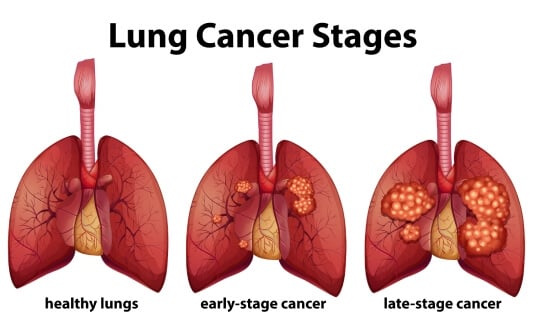 Comprehensive Guide to 4 Stage Lung Cancer Treatment Options
Stage 4 lung cancer is also known as metastatic or advanced lung cancer. Simply said, the disease has spread beyond the lungs to distant parts of the body to the liver, brain, bones, or the other lung. As reported in the research, this stage is often associated with a challenging prognosis. However, innovative treatment...
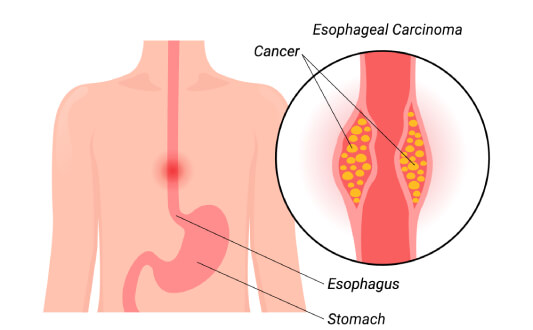 Stage 4 Esophageal Cancer: Comprehensive Guide and Treatment Options
Esophageal cancer is a severe and aggressive malignancy. According to oncology research, this disease is often diagnosed late due to its subtle early symptoms, such as difficulty swallowing, chest pain, weight loss, and persistent cough. By the time the disease reaches stage 4, it has spread beyond...
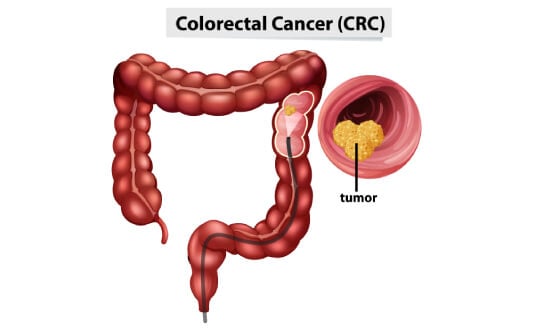 Colorectal Cancer: Full Treatment Guideline
Colorectal cancer claims more than 930,000 lives in a single year, and the distance between a stage I and stage IV diagnosis is not a medical abstraction. It is the difference between a disease that surgery resolves and one that requires a fundamentally different strategy to manage. Over 1.9 million new...
 Esophageal Cancer: Treatment in Germany
Esophageal cancer is one of the twenty most widespread cancer types. The disease can develop at any age, but most often it is diagnosed over the age of 60, when treatment options are already somewhat limited by the patient's chronic conditions. Patients who undergo treatment in Germany have a chance to significantly...