

Medical Blog About Treatment Abroad
Welcome to our medical blog – it is dedicated to empowering patients with knowledge about global healthcare! We created this platform with the intention to bridge the gap between patients and the medical innovations available globally.
What's Inside: Discover new and rare methods in oncology, immunology, heart surgery, neurosurgery, and other medical fields! Our health travel insights show how medical journeys open new possibilities with advanced treatments unavailable locally, including specialized cancer care abroad.
Who Benefits: This resource is for patients and their families who seek new treatment methods and explore options at leading international hospitals. Those who want to make informed healthcare decisions beyond borders.
Why Read: Booking Health experts provide verified information through patient-friendly articles – they translate complex medical advances into accessible info. Stay current with the latest developments in global healthcare and discover how international medicine can transform treatment outcomes!
Browse our latest articles and take the first step toward better health outcomes!
Diagnosis & treatment - page 15
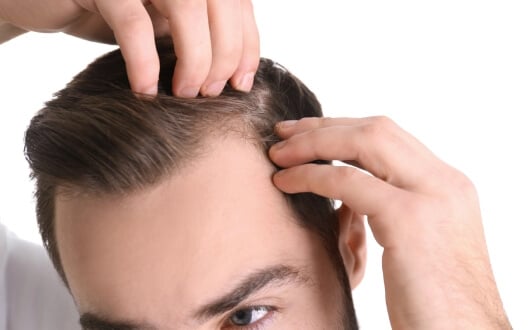 Modern methods of hair restoration for alopecia
Millions of people around the world are currently suffering from hair loss and significantly affects the quality of life, physical and psycho-emotional state, and reduces self-esteem. Alopecia is not just a cosmetic defect, but a disease that can have serious physical and psychological consequences. Many people experience feelings of shame...
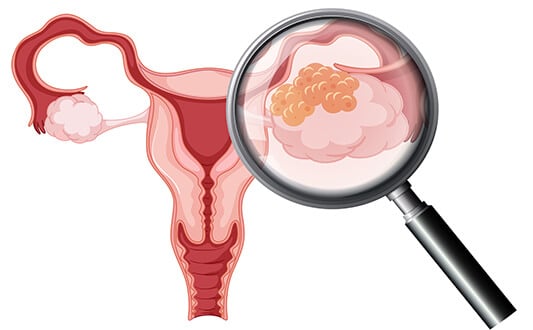 Ovarian cancer – modern treatments
Ovarian cancer remains a significant global health challenge, affecting thousands of women annually and representing one of the most lethal gynecological malignancies. The disease's complexity and high mortality rate, particularly in advanced stages, underscore the critical need for proper treatment approaches.
 Famous German quality or why treatment in Germany is so effective
The expression "German quality" is known worldwide as an indicator of high standards. Everything in this country is done in the best possible way. It's not just about cars or household appliances. People with the most complex diseases, namely, cardiological, oncological, neurological, and other ones are successfully treated here.
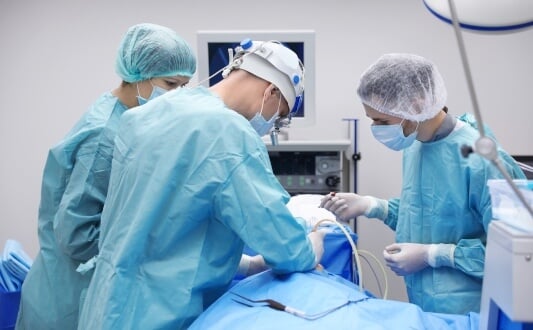 Cryotherapy and cryoablation as an alternative to conventional cancer treatments
Cryoablation (cryotherapy) is a method of ultra-fast freezing of tissue in order to destroy it. The technique is used in oncology, most commonly for kidney cancer, prostate cancer, and metastatic liver cancer. It can also be used for other types of cancer as a palliative procedure that partially destroys the tumor and relieves symptoms.
 Neurological rehabilitation after neurosurgical interventions in the best German Rehabilitation Centers
Neurosurgical rehabilitation is a complex medical process that involves therapeutic and pedagogical measures aimed at restoring the patient’s work capacity or the ability for self-care after neurosurgical procedures. Operations on the spinal cord or brain performed to remove tumors or treat strokes, injuries, and other conditions...
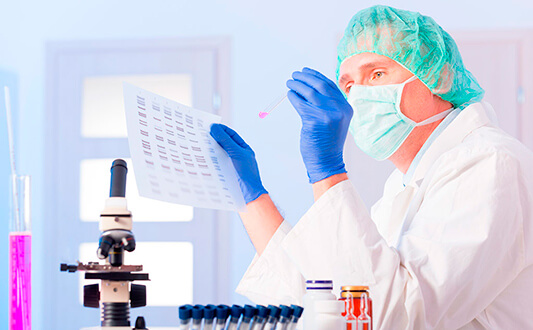 Functional diagnostics and immune system protection
Immune system is one of the most complicated and poorly studied among other system of the human body. Nonetheless, German doctors learned how to detect and treat many diseases of immune system. Immune status can be checked with the laboratory methods. Immune status of a person represents functional and...
 Phimosis: does it always require treatment?
Phimosis is the impossibility of retracting the foreskin from around the glans penis. This is a normal physiological condition in young boys, as it protects the penis and the external urethral opening from trauma and infections. As a rule, physiological phimosis goes away on its own during the first few years of a boy's life.
 Rehabilitation in Germany - a speedy and full recovery
Many diseases, even with a timely and high quality treatment, are still accompanied by side effects. These can be movement disorders, loss of coordination, speech and mental disorders, deterioration of appearance, and many other residual effects. Rehabilitative measures are used to eliminate, reduce, or compensate them.