



Medical Blog About Treatment Abroad
Welcome to our medical blog – it is dedicated to empowering patients with knowledge about global healthcare! We created this platform with the intention to bridge the gap between patients and the medical innovations available globally.
What's Inside: Discover new and rare methods in oncology, immunology, heart surgery, neurosurgery, and other medical fields! Our health travel insights show how medical journeys open new possibilities with advanced treatments unavailable locally, including specialized cancer care abroad.
Who Benefits: This resource is for patients and their families who seek new treatment methods and explore options at leading international hospitals. Those who want to make informed healthcare decisions beyond borders.
Why Read: Booking Health experts provide verified information through patient-friendly articles – they translate complex medical advances into accessible info. Stay current with the latest developments in global healthcare and discover how international medicine can transform treatment outcomes!
Browse our latest articles and take the first step toward better health outcomes!
Diagnosis & treatment - page 8
 Treatment of autoimmune diseases in Germany
Autoimmune diseases are a group of pathologies triggered by the disordered function of the immune system. The patient’s own immunity attacks the cells of the body, which leads to inflammation and the gradual destruction of tissues. Some autoimmune pathologies affect only one organ (for example, autoimmune...
 Dendritic Cell Therapy for Colon (Bowel) Cancer
Dendritic cell therapy is a form of cancer immunotherapy that utilizes the body's own immune system to fight cancer cells. It is considered a promising approach for patients with various cancers, including colon cancer. Regarding the latter, this disease is one of the most prevalent malignancies worldwide.
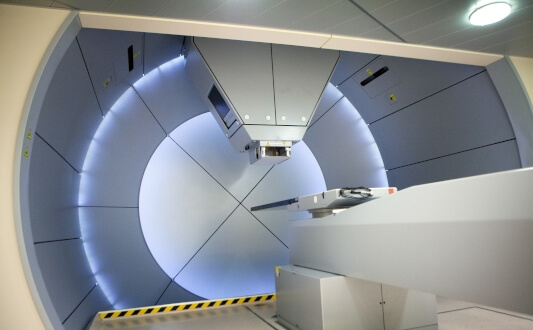 Proton therapy – advanced cancer treatment method
Proton therapy is the most modern method of radiation therapy. Proton therapy has been carried out since the 2000s, and during this time, it has proven itself as a highly accurate and effective treatment method for malignant tumors. The essence of radiation therapy is the destruction of DNA in cancer cells, with the help...
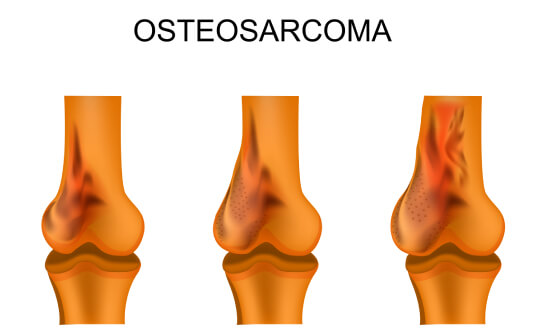 Osteosarcoma Treatment with Dendritic Cells in Germany
Osteosarcoma is one of the most dangerous malignant bone tumors, accounting for about 6% of all childhood cancer cases, with an incidence rate of 5.5 to 8.7 cases per million children and adolescents depending on the region. About 400 new cases of this disease are diagnosed every year in the US alone, with the peak incidence occurring...
 Stem Cells Treatment of Diabetes
With diabetes affecting 589 million adults worldwide – representing 1 in 9 adults – and projections showing this could reach 853 million by 2050, innovative treatment approaches are increasingly vital. Stem cell treatment for diabetes is a method of treating diabetes mellitus by injecting stem cells, own or donor ones.
 Alternative Cancer Treatment in Germany
Cancer remains too common across Europe. In 2022 alone, there were approximately 4.47 million new cancer diagnoses – that's nearly one in four people up to age 75 developing cancer in their lifetime. Oncological diseases are the second leading cause of death in the world after cardiovascular disease, and their prevalence continues...
 Brain cancer treatments in Germany
Glioblastoma is a relatively rare and extremely aggressive brain tumor. An extensive epidemiological survey has recorded that the mean incidence of glioblastoma is about 3.19 cases per 100,000 people per year. Its aggressiveness is due to the rate at which glioblastoma cells multiply and spread to normal brain tissue, thus making the disease...
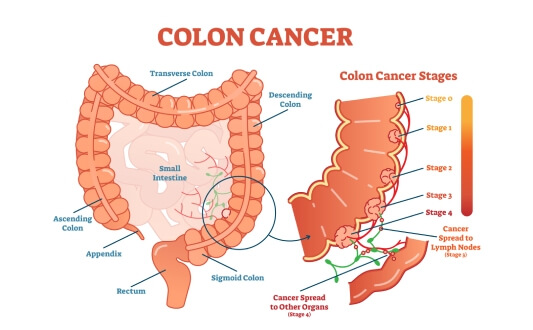 New Treatments for Stage 4 Colon Cancer in Germany
Colon cancer stage 4 is a form of colorectal cancer in which the cancer has spread beyond the colon and metastasized. The most common sites of involvement are the liver, lungs, peritoneum, ovaries, or distant lymph nodes. It is at this stage that the disease is no longer localized and requires a systemic, comprehensive...