


Medical Blog About Treatment Abroad
Welcome to our medical blog – it is dedicated to empowering patients with knowledge about global healthcare! We created this platform with the intention to bridge the gap between patients and the medical innovations available globally.
What's Inside: Discover new and rare methods in oncology, immunology, heart surgery, neurosurgery, and other medical fields! Our health travel insights show how medical journeys open new possibilities with advanced treatments unavailable locally, including specialized cancer care abroad.
Who Benefits: This resource is for patients and their families who seek new treatment methods and explore options at leading international hospitals. Those who want to make informed healthcare decisions beyond borders.
Why Read: Booking Health experts provide verified information through patient-friendly articles – they translate complex medical advances into accessible info. Stay current with the latest developments in global healthcare and discover how international medicine can transform treatment outcomes!
Browse our latest articles and take the first step toward better health outcomes!
Diagnosis & treatment - page 9
 Alternative Cancer Treatment in Germany
Cancer remains too common across Europe. In 2022 alone, there were approximately 4.47 million new cancer diagnoses – that's nearly one in four people up to age 75 developing cancer in their lifetime. Oncological diseases are the second leading cause of death in the world after cardiovascular disease, and their prevalence continues...
 Brain cancer treatments in Germany
Glioblastoma is a relatively rare and extremely aggressive brain tumor. An extensive epidemiological survey has recorded that the mean incidence of glioblastoma is about 3.19 cases per 100,000 people per year. Its aggressiveness is due to the rate at which glioblastoma cells multiply and spread to normal brain tissue, thus making the disease...
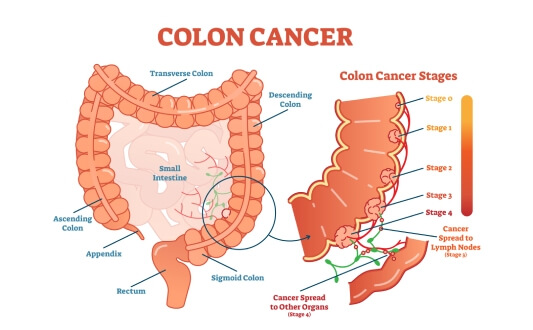 New Treatments for Stage 4 Colon Cancer in Germany
Colon cancer stage 4 is a form of colorectal cancer in which the cancer has spread beyond the colon and metastasized. The most common sites of involvement are the liver, lungs, peritoneum, ovaries, or distant lymph nodes. It is at this stage that the disease is no longer localized and requires a systemic, comprehensive...
 Actinium-225 PSMA Therapy: Revolutionizing Treatment for Metastatic Prostate Cancer
Prostate cancer remains the most widespread oncological pathology among men and a leading cause of cancer death worldwide. According to epidemiological data, PCa is the most frequently diagnosed cancer among men in more than half of the countries in the world (112 of 185 countries/territories), with an estimated 1.4 million new...
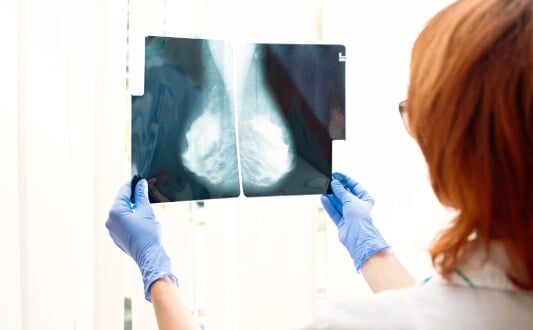 Dendritic Cell Therapy for Breast Cancer
Breast cancer (BCa) statistics from the World Health Organization reports that more than 2.3 million women were diagnosed with this disease in 2022. BCa is among the most common and challenging diseases affecting women all around the world. And over 670,000 deaths were attributed to it that year. But there's reason for hope. Treatment has...
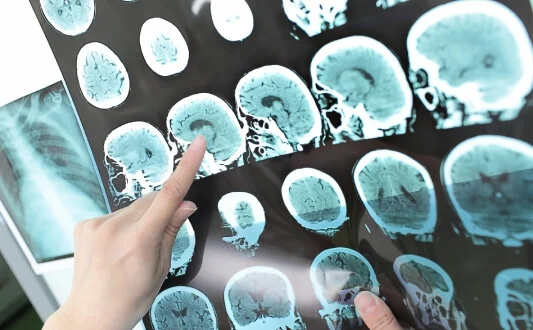 Benign Brain Tumors: All About Non-cancerous Brain Tumors
A benign brain tumor is a non-cancerous, slow-growing mass of cells in and around the brain tissue. It accounts for nearly 72% of all primary brain neoplasms, with an incidence of roughly 17.69 per 100,000 people. Non-malignant primary central nervous system (CNS) tumors are more frequently diagnosed in females, with research indicating that...
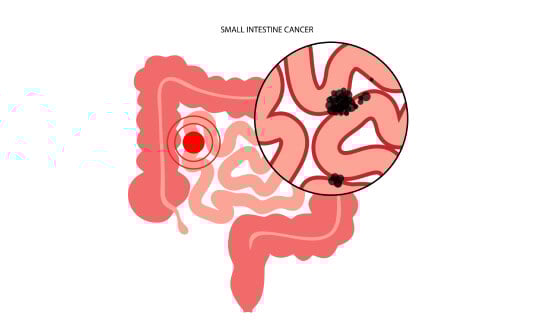 Small Bowel Cancer: All Treatment Options for Small Intestine Cancer
Living with small intestine cancer can be difficult, but it leaves reason for optimism. Despite the rarity of this disease, more therapeutic options are available today than ever before. With timely and correct treatment, the five-year survival rate in the early stages can exceed 80%, which highlights the importance of specialized care. Surgery...
 Brain Tumor Treatments Without Surgery
Brain and other CNS tumors, while rare, cause significant mortality and morbidity across all ages. Despite decades of research on the etiology of brain and other CNS neoplasms, no risk factor accounting for a large proportion of cases has been identified. Brain and other CNS tumors are unique in that they are histologically complex, with over 100 types...