


Medical Blog About Treatment Abroad
Welcome to our medical blog – it is dedicated to empowering patients with knowledge about global healthcare! We created this platform with the intention to bridge the gap between patients and the medical innovations available globally.
What's Inside: Discover new and rare methods in oncology, immunology, heart surgery, neurosurgery, and other medical fields! Our health travel insights show how medical journeys open new possibilities with advanced treatments unavailable locally, including specialized cancer care abroad.
Who Benefits: This resource is for patients and their families who seek new treatment methods and explore options at leading international hospitals. Those who want to make informed healthcare decisions beyond borders.
Why Read: Booking Health experts provide verified information through patient-friendly articles – they translate complex medical advances into accessible info. Stay current with the latest developments in global healthcare and discover how international medicine can transform treatment outcomes!
Browse our latest articles and take the first step toward better health outcomes!
Diagnosis & treatment - page 10
 Why You Should Choose Medicine Over Folk Remedies for Prostate Cancer
One in eight men will develop prostate cancer during their lifetime. In 2025 alone, approximately 314,000 new cases are expected. And yet – mortality from this disease has dropped 50% since 1993. More than 3.5 million diagnosed men are alive today. Only one in 44 will die from prostate cancer when they receive proper medical care.
 Understanding the Costs of Medical Treatment Abroad
Patients frequently begin thinking about receiving medical treatment abroad when domestic medical assistance is unavailable. Many people view medical tourism as a legitimate way to obtain cutting-edge medical services in nations with highly developed healthcare systems. International patients seek safer and more effective...
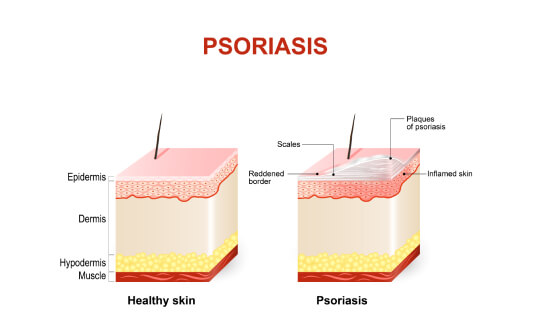 Dendritic cell therapy for psoriasis treatment
Dendritic cells for psoriasis play a leading role in the development of the disease. By influencing this link in pathogenesis, physicians can improve treatment outcomes by using dendritic cells in addition to standard therapy. So far, this is an experimental treatment method, but some clinics in Germany are already using it.
 Understanding Brain Tumors
A brain tumor is an abnormal growth of cells within the brain tissue that can be primary (originating in the brain) or metastatic (spreading from elsewhere). Approximately 26.3% of all brain and other central nervous system tumors were classified as malignant, whereas 73.7% were non-malignant. This indicates that non-malignant tumors are...
 Visualase™ System: Neurosurgical Laser Ablation
Metastatic brain lesions occur approximately 10 times more frequently than primary tumors, accounting for approximately 200,000 of the 225,000 brain tumors diagnosed each year. The increasing incidence of brain metastases is associated with improved treatment of primary malignant tumors, which in turn leads to increased...
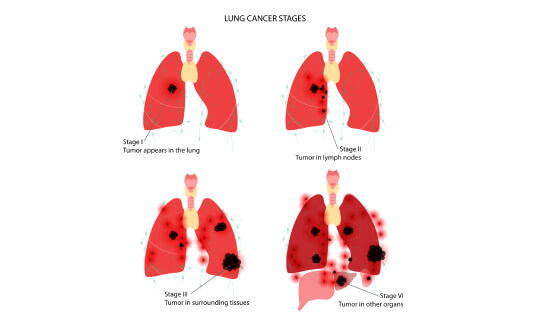 Lung Cancer Stages: A Clear Guide to Staging and TNM Classification
Pulmonary malignancy remains one of the leading causes of oncological mortality in the world, and that is why a correct understanding of the level of disease progression is critically important for both doctors and patients. Determining the level of spread of the disease is not a formality, but a key aspect that directly affects the prognosis, choice...
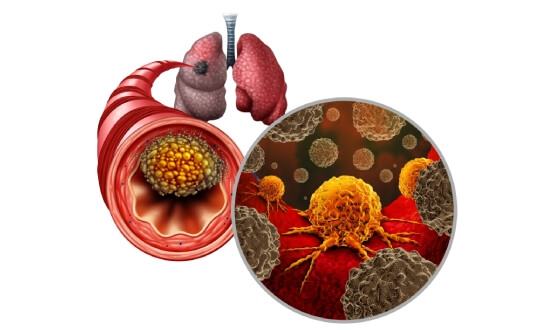 Non-Small Cell Lung Cancer Treatment Options: A Patient Guide to Modern Therapy
Lung cancer has been one of the most common causes of cancer death in the world for many decades. It is a serious global problem that affects millions of people. Non-small cell lung cancer is the most common type of cancer diagnosed, accounting for the majority of all cases. In the past, the prognosis for such patients was poor...
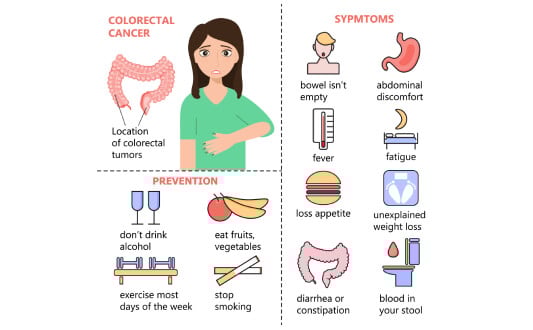 Bowel Cancer Symptoms: Early Warning Signs You Shouldnt Ignore
Bowel cancer is a malignant tumor that develops in the large bowel, including the colon and rectum. It represents about 7.6% of all new cases of cancer in the USA and is fourth most common type of cancer. It often begins with a benign polyp that transforms into malignancy over time. About 15% to 40% of colon tumors originate from colon polyps...