




Medical Blog About Treatment Abroad
Welcome to our medical blog – it is dedicated to empowering patients with knowledge about global healthcare! We created this platform with the intention to bridge the gap between patients and the medical innovations available globally.
What's Inside: Discover new and rare methods in oncology, immunology, heart surgery, neurosurgery, and other medical fields! Our health travel insights show how medical journeys open new possibilities with advanced treatments unavailable locally, including specialized cancer care abroad.
Who Benefits: This resource is for patients and their families who seek new treatment methods and explore options at leading international hospitals. Those who want to make informed healthcare decisions beyond borders.
Why Read: Booking Health experts provide verified information through patient-friendly articles – they translate complex medical advances into accessible info. Stay current with the latest developments in global healthcare and discover how international medicine can transform treatment outcomes!
Browse our latest articles and take the first step toward better health outcomes!
Treatment - page 24
 Treatment of allergy in Germany
Allergy is a pathological immune response reaction that develops after the penetration of certain chemical compounds into the body. It can arise due to anything: pollen of plants, food products (honey, strawberries, and nuts), dust, or medicines. The allergy places the patient in a place of extreme discomfort. It can also pose a threat to...
 Telemedicine – specialized medical care regardless of the distance
Telemedicine is a way of providing medical services in situations where the distance between the doctor and the patient is the most critical factor. This modern approach is officially admitted in many developed countries and is actively used worldwide. Due to constantly advancing technical background doctors quickly and effectively help...
 Leukaemia treatment in Germany - German hospitals give hope!
Leukemia is a deadly malignant cancer of the hematopoietic (blood) system. The illness can be acute or chronic, due to its clinical course. It differentiates between several histological types of illness. Lymphoblastic leukaemia (mostly affects children) and myeloblastic leukaemia (usually observed in elderly people) are the most often...
 Benefits of endoprosthetics in Germany
Replacement arthroplasty is one of the most general surgeries in patients with pathology of the musculoskeletal system. During the procedure, the person's joint is removed, and an endoprosthesis is implanted instead. Surgical intervention of this kind is carried out when a large joint is destroyed or causes chronic pain.
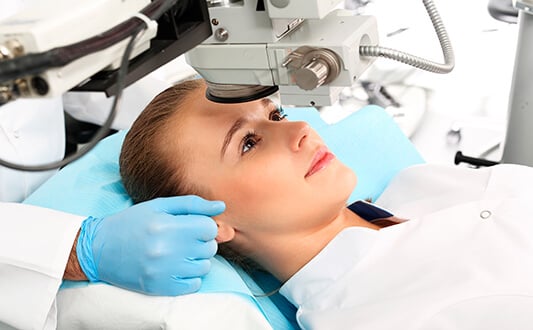 The latest laser eye surgery in Germany
Laser vision correction is a modern technique of myopia (nearsightedness), hypermetropia (farsightedness), and astigmatism treatment. The curvature of the cornea is changed during the operation. As a consequence, a patient’s visual acuity is fully restored. Laser correction is carried out using different methods.
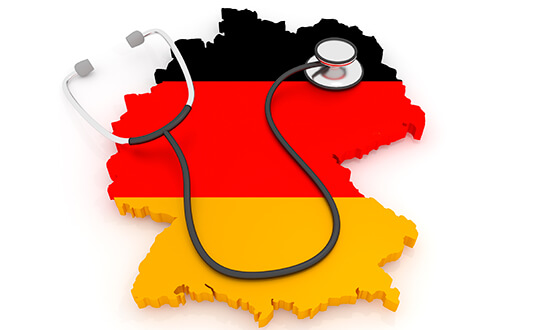 Arrangement of treatment in Germany
There are numerous people who are not satisfied with the state of healthcare in their own country and so, they go in search of better medical services abroad. German hospitals have ranked among the best in the world. With lots of funds invested into the healthcare system here, it ensures that the most effective, most progressive, and...
 How to save on treatment in Germany
Today treatment outside the native country is no longer an extraordinary event. Patients go abroad in search of precise diagnosis, the latest models of equipment, extensive practical experience of doctors, developed in the course of clinical trials innovative treatment methods and drugs, as well as effective rehabilitation programs.
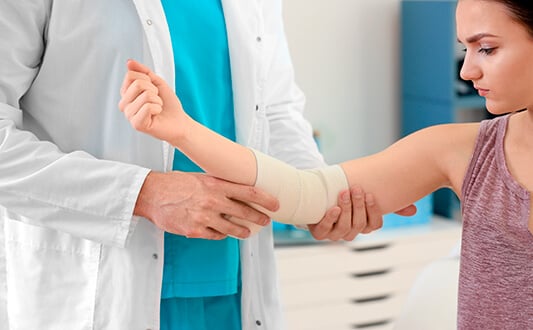 Benefits of Orthopedics and Trauma Care in Germany
Despite scientific and technical progress, diseases and various injuries of the musculoskeletal system remain a widespread phenomena. According to the WHO, more than 1.5 million people have died from injuries per year since the beginning of 2000, and the percentage of these deaths that are from sports injuries, is 5%.