




Medical Blog About Treatment Abroad
Welcome to our medical blog – it is dedicated to empowering patients with knowledge about global healthcare! We created this platform with the intention to bridge the gap between patients and the medical innovations available globally.
What's Inside: Discover new and rare methods in oncology, immunology, heart surgery, neurosurgery, and other medical fields! Our health travel insights show how medical journeys open new possibilities with advanced treatments unavailable locally, including specialized cancer care abroad.
Who Benefits: This resource is for patients and their families who seek new treatment methods and explore options at leading international hospitals. Those who want to make informed healthcare decisions beyond borders.
Why Read: Booking Health experts provide verified information through patient-friendly articles – they translate complex medical advances into accessible info. Stay current with the latest developments in global healthcare and discover how international medicine can transform treatment outcomes!
Browse our latest articles and take the first step toward better health outcomes!
Treatment - page 2
 Esophageal Cancer: Treatment in Germany
Esophageal cancer is one of the twenty most widespread cancer types. The disease can develop at any age, but most often it is diagnosed over the age of 60, when treatment options are already somewhat limited by the patient's chronic conditions. Patients who undergo treatment in Germany have a chance to significantly...
 Treatment of stage 4 lung cancer in Germany
Germany stands at forefront of stage 4 lung cancer treatment — known for precision-driven protocols and infrastructure that supports them. Lung cancer remains most commonly diagnosed cancer worldwide: approximately 2.2 million new cases and 1.8 million deaths recorded in 2020. Despite those numbers...
 Treatment of stage 4 pancreatic cancer in Germany
Pancreatic cancer (ICD C25) is one of the most common gastrointestinal cancers. More than 300,000 new cases are diagnosed in the world every year. This tumor accounts for 3% of all cancers, which is a fairly high figure. The treatment methods offered in Germany allow for achieving excellent results, even at stage 4 of the pathology.
 Stem Cell Therapy in Germany
Germany is one of the most preferred destinations for stem cell therapy thanks to its strong scientific background, reliable healthcare system, and many clinics where this kind of therapy is carried out. Because of that, the country has become a place of choice for international patients looking for new medical solutions...
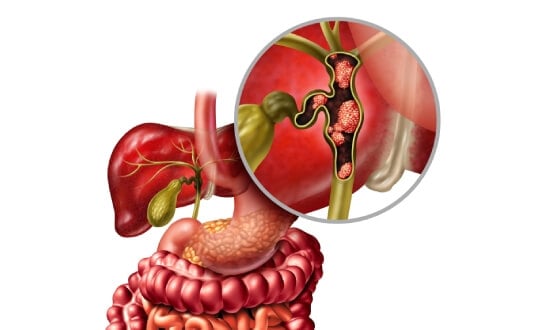 Klatskin tumor: treatment of bile duct cancer in Germany
A Klatskin tumor, also known as perihilar cancer, is a type of extrahepatic cholangiocarcinoma, which starts in the area where the right and left bile ducts converge to form the common bile duct. The standard Klatskin tumor treatment options typically include surgery, chemotherapy, and radiation therapy.
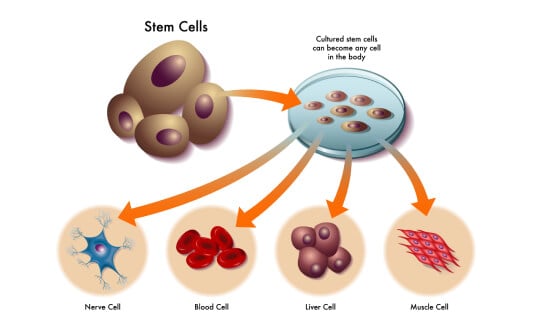 A Comprehensive Guide to Stem Cell Therapy
The fast-growing stem cell biology has turned modern medicine upside down, providing new ways of thinking about how to cure the previously considered incurable diseases. The special property of stem cells to promote tissue regeneration and convert to different types of tissues has provided the basis for new stem cell-based...
 Gamma Knife Radiosurgery for Brain Tumors in Germany
The central nervous system (CNS) disorders are a rare group of diseases that can affect people of all ages. Even with decades of research about the etiology of pediatric and adult brain tumors, there is no single risk factor to be found that leads to the development of pediatric and adult brain tumors in a significant proportion of cases.
 Cervical cancer treatment with dendritic cell therapy
Because cervical cancer affects approximately 660,000 women worldwide each year — ranking it fourth among the most common cancers in women globally — the gap between what early detection can achieve and what advanced disease requires is one of the most consequential in oncology. Early-stage disease...